TOURISM IS EXPLORING, NOT CELEBRATING, LOCAL CULTURE.
Tourism sells cultural connection, but too often delivers erasure, exploitation, and staged authenticity. From safari parks to sacred rituals repackaged for selfies, this powerful essay explores how the global travel industry commodifies local traditions, preserves poverty for nostalgia, and rarely benefits the communities on display. It's a call to reimagine tourism as respect, not consumption.
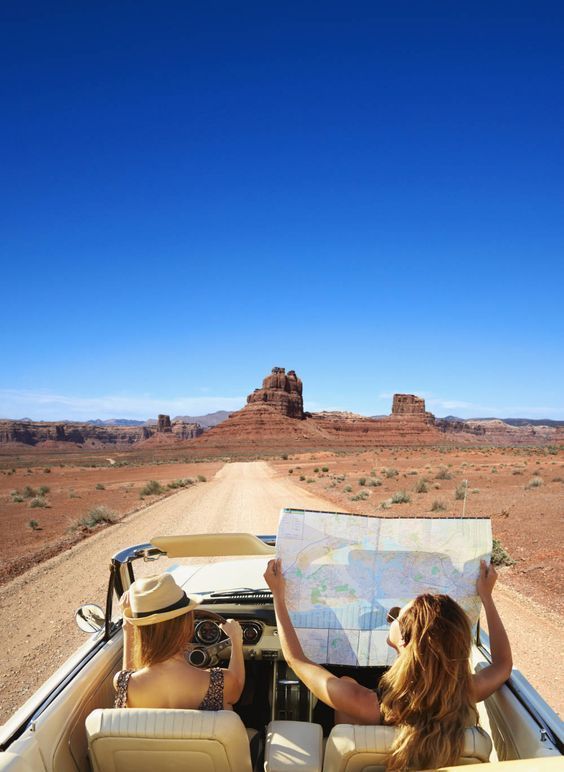
Tourism is often painted as a cultural exchange: a meeting point of people, tradition, and storytelling. But in reality, many local communities across the global south have come to learn that the camera lens is more invasive than curious—and the applause often leaves behind silence, disruption, and poverty.
we were told that tourism would bring opportunity. But what it often brings is exploitation
Tourist flock to Morocco’s souks, India’s temples, Kenya’s safaris, Peru’s ancient ruins, and Bali’s serene rice paddles with cameras, currencies, and curiosity. Travel brochures sell the promise of “authentic” experiences: vibrant fabrics, ancient dances, smiling children, “exotic” food, and wisdom passed through generations.
But behind this aesthetic of cultural immersion lies a darker truth: global tourism often exploits the very culture it claims to celebrate.
When traveler’s desire to experience differences becomes more important than the dignity of the people who live it—we have a problem.
THE PERFORMANCE OF IDENTITY.
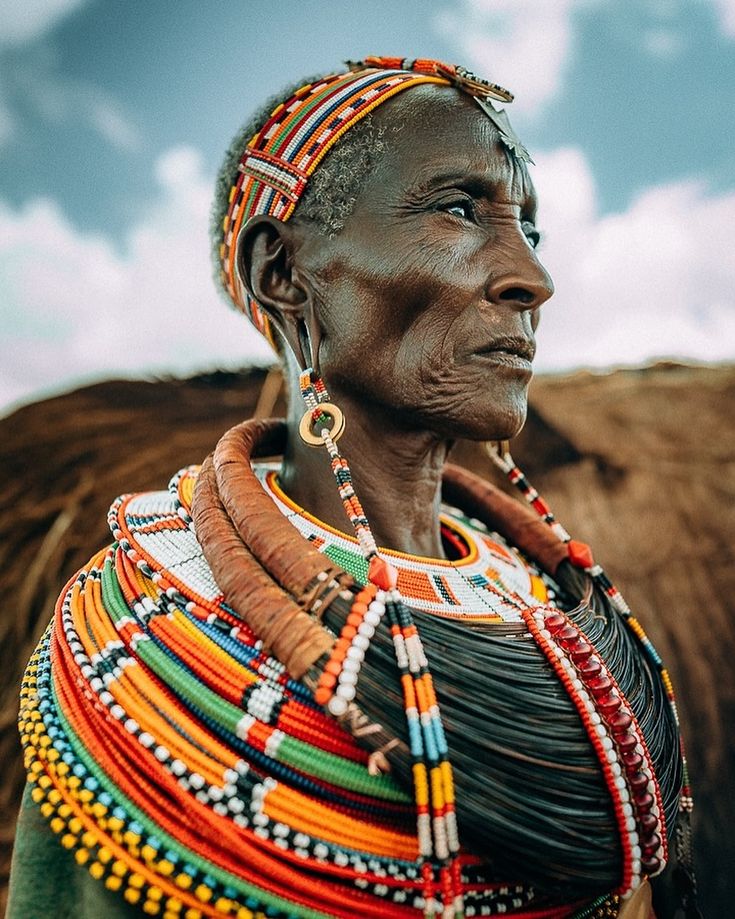
image credit: pinterest
In many parts of the world, culture has become a performance. Locals dress in traditional attire for shows they would never watch, cook meals they don’t eat, and share rituals once held sacred value—all for tourists with camera and tips.
The Maasai of East Africa , for instance, are often photographed, danced with, and objectified as “the real Africa”. In Thailand, the Padaung “long-neck” women are kept in isolated villages, paraded for tourists like exhibits. In Mexico, Day of the Dead celebrations are increasingly commercialized, stripped of spiritual meaning to suit tourist timetables.
These communities aren’t always benefitting economically. They are just expected to package their culture—or face irrelevance.
Culture becomes a costume. Tradition becomes a transaction.
Local culture-music, dance, festivals, clothing, spirituality—is advertised in brochures as if it is a theme park experience. Tourists are encouraged to “experience authenticity,” but what they often witness is a performance, staged for entertainment, stripped of meaning, and repackaged for western consumption.
Dancers don’t just dance—they perform pain for tips. Crafts aren’t just made, they are mass-produced to suit foreign tastes. Rituals aren’t sacred anymore—they are scheduled events reduced to selfies and souvenirs.
What was once communal becomes commercial. And slowly, culture begins to die in the name of being “shared”
THE MYTH OF THE “AUTHENTIC” EXPERIENCE.
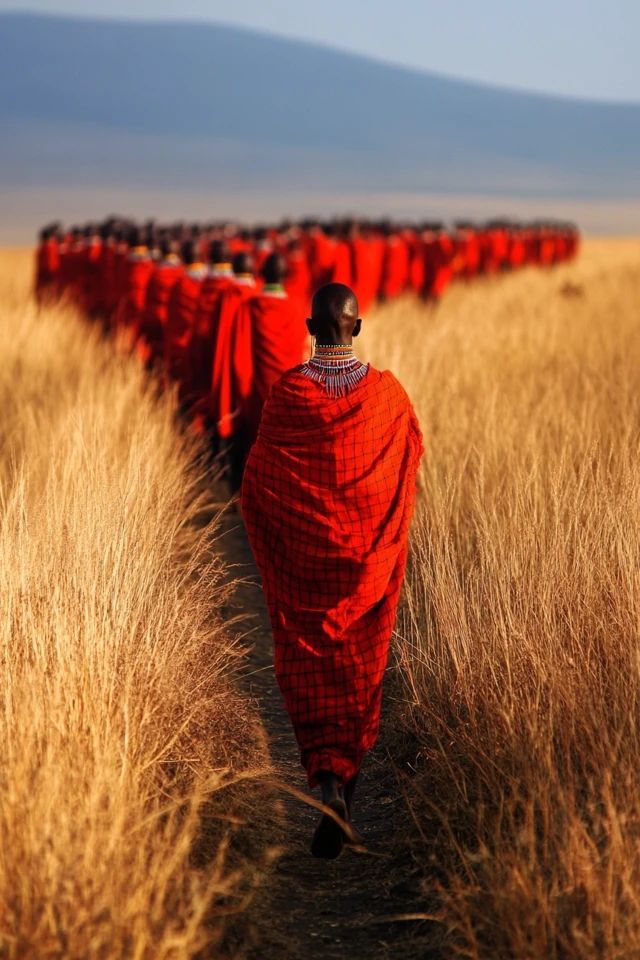
image credit: pinterest
Tourists often seek the “real” version of a place. They want villages untouched by modernity, elders speaking native tongues, unpaved roads, and customs frozen in time.
But this romantic ideal is a trap. Culture evolve. People modernize. Languages shift. The desire to consume “authenticity” often becomes a demand for poverty.
Why is it that we want rural communities to stay poor and “pure” so we can have a story to tell?
When tourists balk at locals having smartphones, or paved roads, or modern clothes, it reveals how tourism preserves nostalgia, not reality.
WHO REALLY PROFITS FROM THIS?
Let’s follow the money.
You book a trip through western agency.
You stay in a resort owned by a multinational
You eat food that caters to your palate.
You ride in vehicles driven by underpaid locals
You buy souvenirs mass-produced in China, branded as “local crafts”
In most economies, the real profits do not stay local. Luxury hotels are owned by foreign investors. Safari parks and beach resorts hire locals only for low-wage jobs. Art and food are exported while the artists and cooks struggle to eat.
The villagers who host guests in makeshift huts rarely own the Airbnb pages. The tour guides who explain history are rarely paid enough to write their own.
In many cases, only a small fraction of tourism revenue reaches the communities being marketed. The bulk of profits return to foreign investors, luxury chains, and global intermediaries.
Meanwhile, those providing the “experience” remain economically vulnerable.
Tourism sells local identity. But it rarely pays those who live it.
So when government celebrate tourism’s “contribution to GDP,” we must ask: GDP for whom?
CULTURAL EROSION AND COMMODIFICATION OF POVERTY.
There is a rising trend of tourists visiting slums, war zones, and impoverished areas under the guise of “adventure” or “empathy.”
It is called poverty tourism—and it reduces real suffering to spectacle.
Children are photographed in torn clothes without consent. Mothers are asked to re-enact their struggles for documentary reels. Homes are reduced to hastags: #HumbleLiving #GratefulHeart
But here’s the truth: You cannot uplift a community by turning its wounds into weekend attractions.
Repeated exposure of tourism transform communities. Cultural practices are adapted—or abandoned—to fit market demands.
Traditional songs are shortened for performance. Sacred dances become nightly spectacles. Local dialects give way to English catchphrases. Customs are diluted to avoid offending foreign sensibilities.
The result? A culture that looks alive but is hollow at its core—like a temple turned theme park.
culture is no longer for the people—it is for the paying audience.
In some cases, youth abandon ancestral practices altogether, seeing them as outdated or embarrassing. Tourism doesn’t just document culture—it sometimes replaces it.

THE POWER IMBALANCE
Let us not forget the issue of power. Tourists arrive with: Passports that locals might never afford, Disposable income, The ability to leave, The benefit of global mobility.
Locals in contrast, are often bound by geography, visa restrictions, and systemic inequality.
Tourism often replicates colonial dynamics. The visitor observes, consumes, and judges. The local is subject to smiling, selling, serving.
The glaze is rarely mutual. One side is free. The other is curated.
CASE STUDY: THE AFRICAN SAFARI INDUSTRY.
Safari tourism markets Africa as a land of majestic animals, tribal dances, and untouched wilderness. But the industry is a rifle with contradictions.
Indigenous groups have been displaced from ancestral lands to create “wildlife parks” for western tourists. Tribal communities are sometimes prohibited from hunting, farming, or living on their lands—but are invited to dance at lodges. Foreign companies control most safari operations. Locals often serve only as porters, dancers, or cooks.
So while tourists marvel at sunsets over the savannah, the communities that once thrived on that land are erased or reduced to spectacle.
IS ETHICAL TOURISM POSSIBLE?
Yes, but only with radical change.
Here's what ethical tourism might look like:
1. COMMUNITY-LED TOURISM: Where locals design, manage, and profit from the experience.
2. CULTURAL CONSENT: No photo or experience without permission and context.
3. FAIR COMPENSATION: Paying artisans, guides, and hosts fairly.
4. CULTURAL HUMILITY: Learning without entitlement, asking instead of assuming.
5. DECOLONISED TRAVEL: Recognizing power over dynamics, being aware of your privilege, and unlearning romanticized narratives.
Ethical tourism isn’t about avoiding culture—it’s about engaging with it responsibly.
WHAT CAN TRAVELLERS DO DIFFERENTLY?
If you truly want to honor the culture of a place:
1. RESEARCH BEFORE YOU ARRIVE: Understand the history, politics, and challenges—not just the attractions.
2.ASK WHAT THE COMMUNITY WANTS: Don’t assume your presence is helpful. Ask if your participation supports or hinders.
3. SUPPORT LOCAL, NOT GLOBAL: Choose local guesthouses, guides, and co-ops. Avoid big chains that bypass the economy.
4. DON’T EXOTICISE POVERTY: Not everything rough or rustic is “beautiful”. Sometimes, it is a result of systemic neglect.
5. PUT THE CAMERA DOWN: Absorb with your sense. Be present. Ask before you click.
6. LEAVE YOUR SAVIOUR COMPLEX AT HOME: You are not there to fix, rescue, or teach. You are a guest. Act like one.
CONCLUSION:
Tourism has the power to transform lives—for better or worse. It can build schools or destroy traditions. It can empower communities or exploits them. It can celebrate culture or sell it.
In the 21st century, we must move beyond travel that consumes people like products. We must abandon the idea that presence is inherently positive.
You are not just visiting a place—you are entering someone’s home, story, and spirit.
Tourism must evolve. It must create respect, equality, and accountability. Until then, let’s stop pretending that travel always celebrates culture.
Because too often, it dismantles it in the name of discovery.