Togo's Digital Leap: Fintech Revolution Transforms Economy
Togo is emerging as a fintech hub through mobile money, digital public services and PI-SPI, giving startups access to a regional West African market.Togo is demonstrating a unique and robust path in fintech and wider digital economic development. Despite not being one of Africa’s largest economies or competing with major hubs like Lagos or Nairobi for fintech investment, Togo is experiencing rapid expansion in mobile money services, increasing digitalization of government services, and is actively integrating into a new regional instant-payment system.
This strategic positioning suggests that Togo’s significant fintech opportunity arises not from its domestic market size, but from its central role within a much larger West African regional economy.
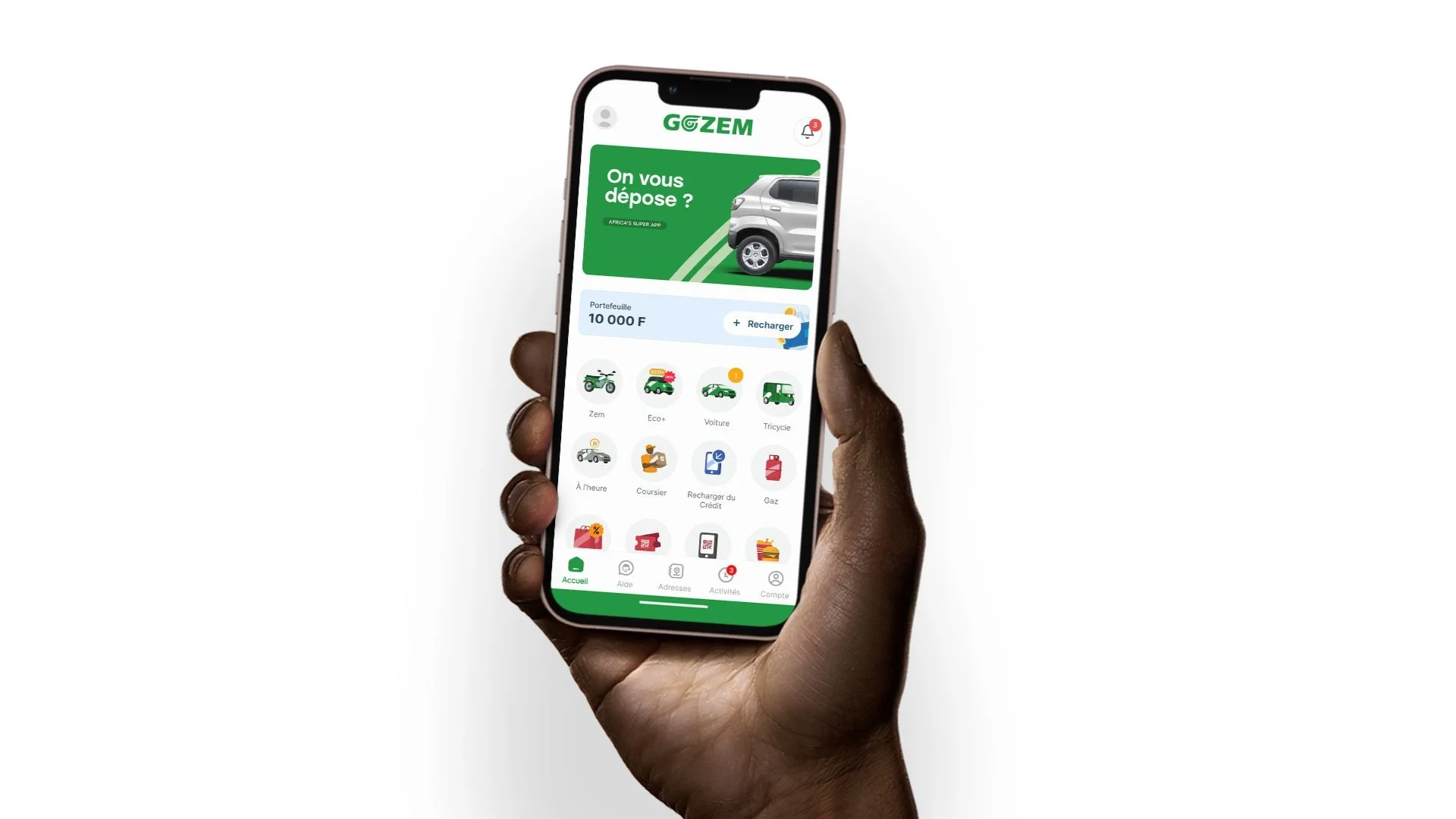
A prime example of this evolution is Gozem, Togo’s most prominent fintech company, which launched in Lomé in 2018. Initially, Gozem provided ride-hailing services using motorcycle taxis, a common mode of transport in the city.
However, the company swiftly diversified, expanding into deliveries, e-commerce, and eventually comprehensive financial services. Today, Gozem Money allows users to make payments, transfer funds, pay bills, and manage their money all within the same application used for transport and goods.
This transformation reflects a broader trend across Togo, showcasing how fintech innovation can emerge and evolve successfully from sectors outside traditional finance, introducing financial services through applications customers already utilize daily.
For many Togolese consumers, the journey towards digital finance predated digital banking, commencing with the widespread adoption of mobile telephones. Services like TMoney, operated by Yas Togo, and Flooz, associated with Moov Africa Togo, have become the country’s leading mobile-money platforms.
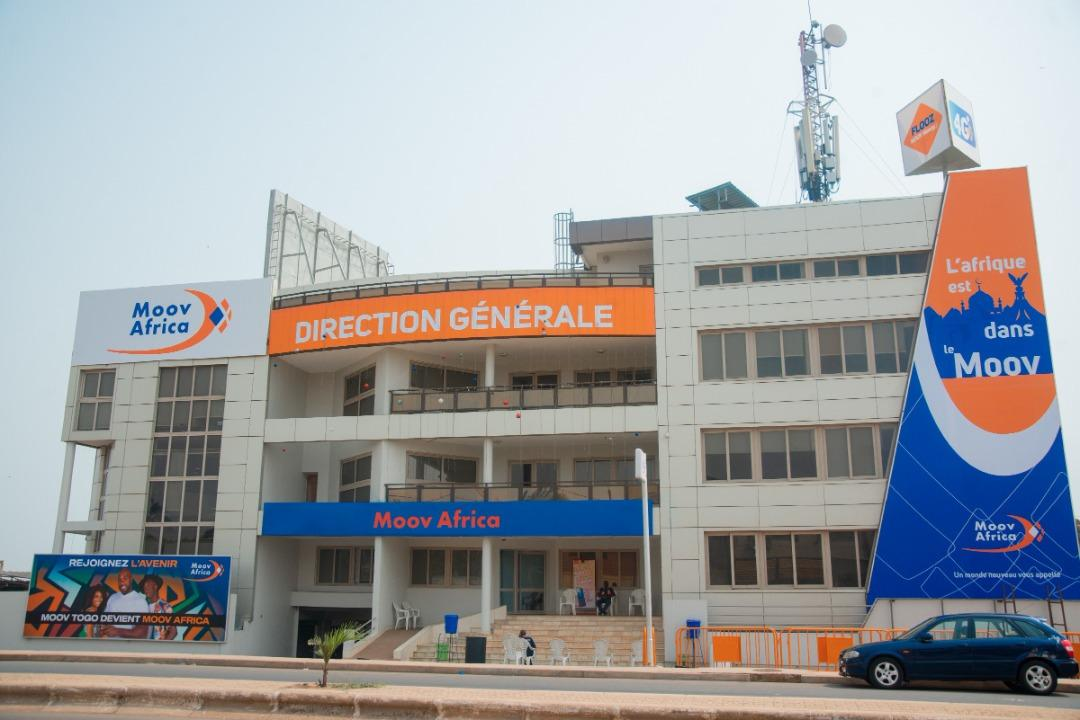
These services enable customers to transfer funds, purchase airtime, pay bills, and engage in merchant transactions. The model’s importance lies in its ability to extend financial access beyond the reach of conventional branch banking.
Mobile networks offer considerably wider distribution, with agents providing basic financial services without requiring extensive physical infrastructure.
The significance of this infrastructure was powerfully demonstrated during the COVID-19 pandemic through Novissi, a government program that digitally distributed emergency cash assistance to vulnerable citizens, proving mobile money’s potential as a critical social protection mechanism.
Togo’s involvement in the West African Economic and Monetary Union (WAEMU) is a significant advantage for its fintech sector. As one of eight member states that share the CFA franc and the Central Bank of West African States (BCEAO), Togo benefits from regional financial integration. On September 30th, last year, the BCEAO officially launched its Interoperable Instant Payment Platform, known as PI-SPI.
This system facilitates instant transfers between participating banks, microfinance institutions, electronic-money issuers, and payment providers across the entire monetary union. Togo was an inaugural member state, and the BCEAO has since expanded the list of authorized PI-SPI participants.
This development holds immense significance, as it allows Togolese fintech companies to operate within a financial market encompassing eight countries and over 100 million people, dramatically altering the economic calculus for developing financial technology in a nation with a smaller domestic population.
The PI-SPI system is specifically designed to address the fragmentation that has characterized West Africa’s otherwise impressive mobile money revolution. Historically, consumers might hold accounts with multiple providers, and transferring money between different networks or across national borders could be complex and costly compared to transactions within the same ecosystem.
By enabling instant transfers between different participating financial institutions, PI-SPI reduces these barriers. This interoperability promises benefits for merchants, allowing them to accept payments regardless of the customer’s bank or wallet, and for fintech companies, by reducing the need to establish separate connections with every financial institution.
Consequently, the future growth of Togolese fintech will depend as much on robust regional infrastructure as on domestic innovation.
Beyond financial services, Togo’s government has made digitalization a cornerstone of its broader development strategy. Significant investments have been made in digital public services, identity management, connectivity, and electronic administration, aiming to modernize interactions between citizens and the state.
The Novissi program highlighted how the combination of digital identity, mobile technology, and electronic payments can efficiently deliver government assistance. These foundational digital capabilities can further support financial inclusion.
A citizen with a verifiable digital identity can be more easily onboarded into regulated financial services, while a small business receiving electronic payments can begin building a financial history, which is crucial for accessing formal credit.
While Togo may not aspire to rival Nigeria or Kenya as Africa’s largest fintech ecosystem, its unique advantage lies in a powerful combination that includes widespread mobile money penetration, Lomé’s strategic position as a regional hub, the presence of regional financial institutions, and seamless access to WAEMU’s increasingly integrated payment infrastructure, particularly PI-SPI.

Gozem exemplifies how a company founded in Lomé can successfully expand from transportation into financial services and beyond Togo’s borders. The PI-SPI system is poised to further facilitate this regional approach for the next generation of Togolese fintechs.
For Togo, the opportunity has evolved beyond merely offering financial services on a telephone; it is about connecting those telephones, and the businesses utilizing them, to a vibrant West African digital economy that extends far beyond its own borders.