Fighting in Tigray Raises Fresh Fears of Wider Horn of Africa Crisis
The border region between Ethiopia and Sudan is a volatile hotspot where three conflicts converge: the Tigrayan war, the Sudanese war, and an Ethiopian-Eritrean dispute. Recent cross-border clashes and mutual accusations of supporting rebel factions threaten to escalate into a wider regional crisis, complicated by historical dynamics and the strategic interests of external actors.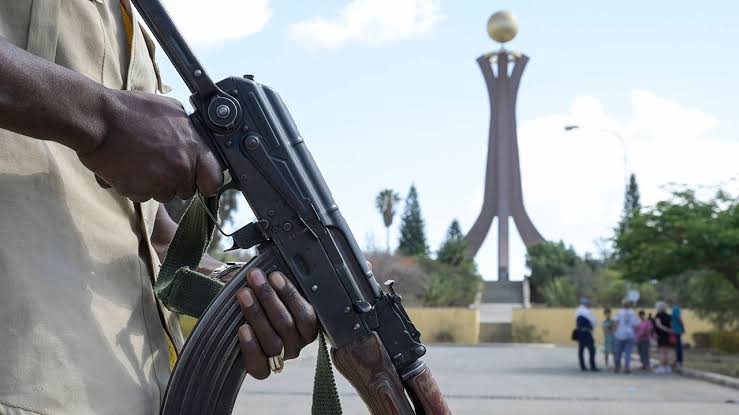
Fresh fighting in Ethiopia's Tigray region has raised fears that the fragile 2022 peace agreement could unravel, with violence close to the Sudan border adding another layer to the region's already complicated security situation.
Clashes broke out on August 1 around Shererina in western Tigray, near the Sudanese border. The fighting involved artillery and drones, and people, including wounded Tigrayan fighters, fled across the border into Sudan. Reports also said explosions affected refugee camps in the area, although the number of casualties was unclear.
The fighting is the most serious breach of the 2022 Pretoria peace agreement in recent months. That deal ended the two-year Tigray war but left several disputes unresolved, including the status of contested territories, the return of displaced people and the future of Tigrayan forces.
Tensions had been building
The latest clashes followed months of worsening relations between Addis Ababa and the TPLF.
Both sides have accused the other of undermining the peace agreement. Ethiopian authorities have also accused Tigrayan leaders of preparing for renewed conflict, while Tigrayan officials have accused the federal government of maintaining pressure on the region.
The situation is further complicated by Eritrea's involvement in northern Ethiopia and the continuing war in neighbouring Sudan.
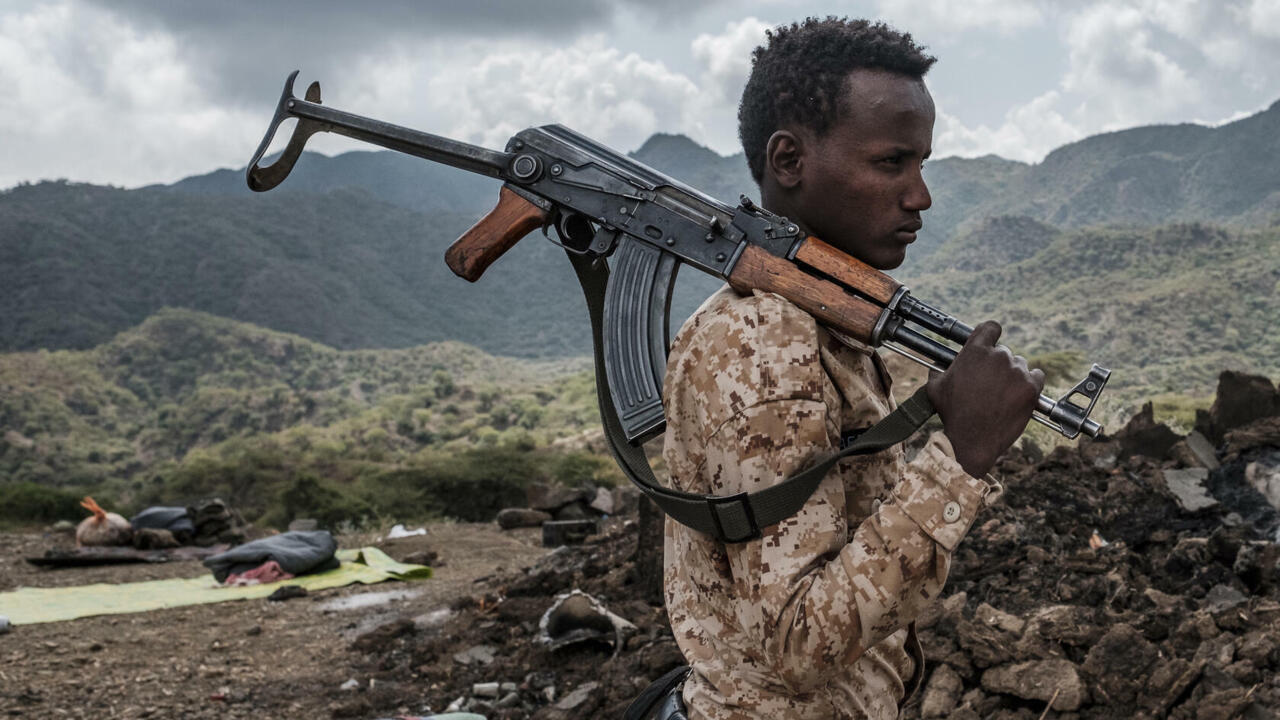
During the 2020–2022 Tigray war, Eritrean forces fought alongside Ethiopian federal troops against the TPLF. Relations have since shifted, and Ethiopia has accused Eritrea of supporting forces opposed to the federal government. Those claims remain disputed.
Sudan becomes increasingly important
The fighting is taking place close to a border already affected by Sudan's own civil war.
Eastern Sudan has hosted large numbers of Ethiopian refugees, including people who fled the previous Tigray conflict. The latest violence has again pushed people towards the border, raising concerns about the pressure on refugee communities and the possibility that fighting could further destabilise the area.
Sudan and Ethiopia have also exchanged accusations over alleged support for armed groups operating on opposite sides of their borders. Those allegations should be treated carefully, as several remain disputed and have not been independently established.
The wider regional picture is therefore difficult to separate from the Tigray crisis. Sudan is fighting its own devastating war, while Ethiopia is also dealing with armed conflicts in Amhara and Oromia.
A wider war is not inevitable
The latest fighting does not automatically mean that another full-scale Tigray war is imminent.
Analysts cited in recent reporting have pointed to the risks created by the number of armed actors and competing interests in the region, but the scale and duration of the latest clashes remain uncertain. Amnesty International has warned that unresolved accountability for abuses committed during the previous Tigray war has left civilians vulnerable as fighting returns.
For now, the biggest concern is that continued fighting in western Tigray could draw in Sudan, Eritrea or other regional actors, turning a renewed Ethiopian conflict into a broader Horn of Africa security crisis.