The War on Poverty is on Pause: What Tinubu’s Reforms Really Mean for the Average Nigerian
President Tinubu’s bold economic reforms promised long-term growth, but for many Nigerians, they’ve brought deeper poverty and hardship. Here’s what the reforms really mean for the average citizen
It is a Wednesday morning in Lagos, and Alhaja Rofiat, a petty trader in Agege, is already sweating, not just from heat, but also from worry. The pepper she bought last week for ₦1,200 now sells for ₦2,500. Her transport fare from home has doubled. Her husband’s mechanic shop hasn’t seen a single customer in three days. “E no get as person go survive like this,” she mutters.
The math is no longer mathing, and the country’s economic gospel according to Tinubu is not giving salvation.
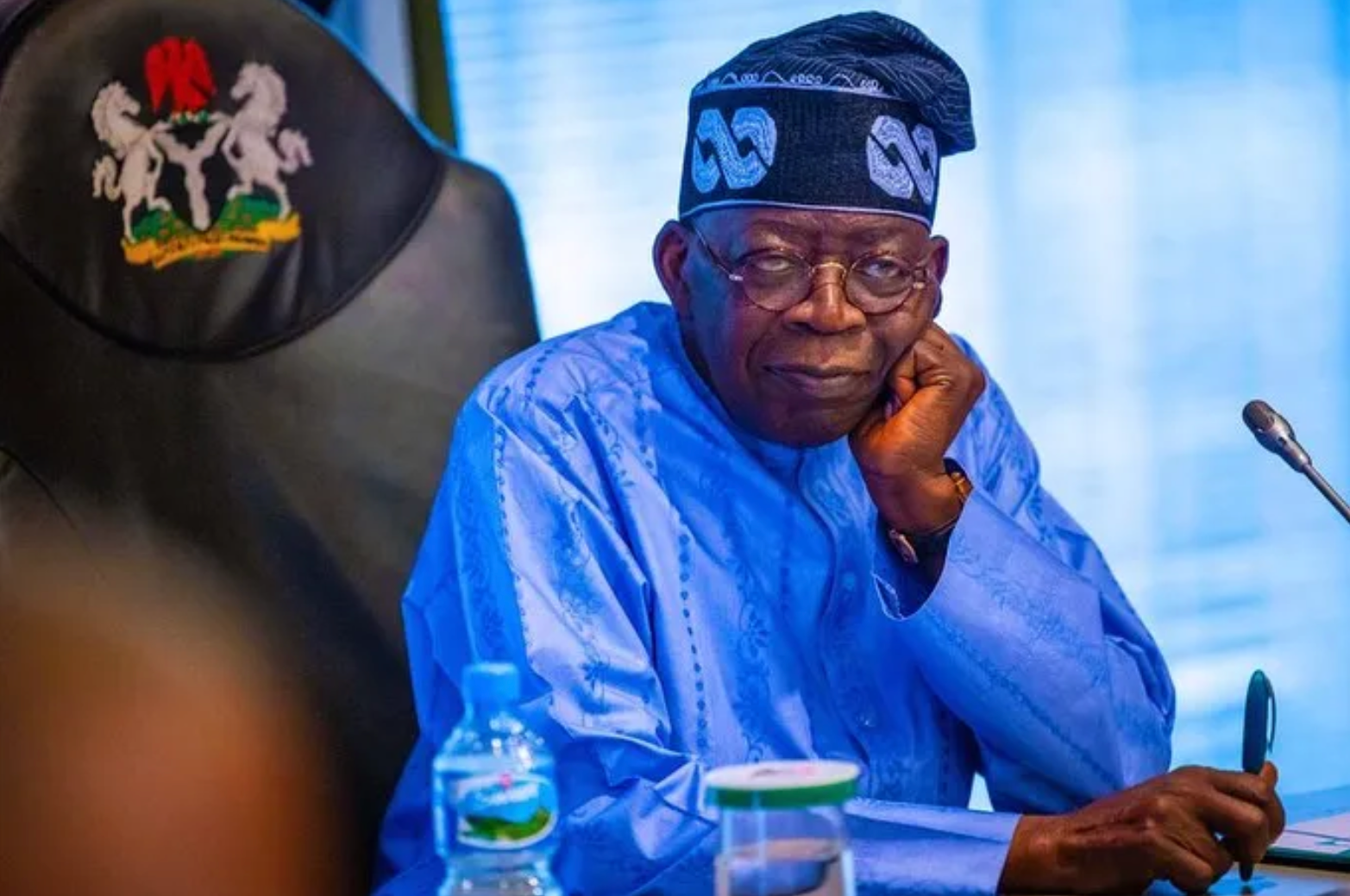
When President Bola Ahmed Tinubu mounted the saddle in May 2023, he did so with the confidence of a man on a mission to fix a broken house. “Subsidy is gone,” he famously declared on day one, triggering one of the most consequential economic shakeups Nigeria has seen in decades.
From subsidy removal to the unification of exchange rates, from fuel deregulation to a renewed push for a market-led economy, Tinubu’s reforms were bold, perhaps too bold.
The administration sold these policies as necessary surgery to reset the economy. The narrative of temporary pain and eventual prosperity was pushed. Nigerians were told to tighten their belts so the nation could breathe again. But over two years later, the only thing many Nigerians can feel is the pain.
Reforms, But for Whom?
Subsidy removal was always going to be controversial. For years, economists had warned that Nigeria was bleeding funds through fuel subsidies that primarily benefited smugglers and the wealthy. Tinubu’s move to remove it made fiscal sense but just on paper. But in practice, it has left the average citizen gasping.
With petrol now over N700 per litre and the naira swinging wildly past N1,500 to the dollar, inflation has soared. The prices of basic goods like rice, garri, beans have more than doubled.
Transport costs have pushed daily earners out of work. And the ripple effects are devastating. More Nigerians are falling into multidimensional poverty.
The Numbers Don’t Lie
According to the National Bureau of Statistics (NBS) reports in 2022, over 133 million Nigerians are already classified as multidimensionally poor. This means they suffer from overlapping forms of deprivation, from healthcare to housing, education to income.
This figure is predicted to have increased in this administration and it predates the full effect of Tinubu’s reforms, suggesting the current situation is even worse.
The World Bank projected in June 2024 that an additional four million Nigerians could fall into poverty due to the rising cost of living. Inflation has remained stubbornly above 30%, and real wages have plummeted. The minimum wage of ₦70,000 is worth less than $50. It is no longer enough to survive, let alone save.
The Disappearing Social Safety Net
What is particularly alarming is that as hardship intensified, many of the programs designed to cushion the poor began to falter.
The famed N-Power scheme has been suspended. Conditional Cash Transfers are riddled with inconsistencies. Fuel subsidy was yanked without a functioning alternative transport scheme in place. Even the much-hyped ₦8,000 monthly cash palliatives were met with mockery and eventually shelved.
Rather than a social protection policy, the response has been public relations and press conferences. The poor were asked to endure, but no concrete support system was put in place to help them endure.


"Sacrifice" Has a Breaking Point
Nigerians are not new to economic hardship. But what makes this season particularly bitter is the sense of déjà vu. Tinubu’s reforms echo past policy experiments:Goodluck Jonathan’s 2012 subsidy removal attempt, Buhari’s forex tightening years, and even Obasanjo-era privatization.
Each time, the poor were told to wait for the dividend of reforms. Each time, they waited and many died waiting.
There is growing resentment that, once again, it is the poor who are asked to sacrifice while political elites continue to live in obscene comfort. With SUVs still zooming in convoys, lawmakers still earning jumbo salaries, and political aides flying first class, the call for "shared sacrifice" rings hollow.

Could It Have Been Different?
Many experts agree that reform is necessary but not at this speed and not without cushioning. A phased subsidy removal, tied with aggressive investments in mass transit, local refining, food production, and wage support, would have softened the blow. Reform is not a war; it is a negotiation between policy and people.
When reform feels like an ambush, it loses legitimacy, no matter how economically sound it may seem on paper.
In countries like Indonesia and Kenya, subsidy reforms were successful only because they were paired with strong social investment. Tinubu’s administration could have learned from this. Instead, it rushed the pain and stalled the support.
The government seems to have taken a one-size-fits-all approach to reform, ignoring local realities and international lessons.
A Glimmer?
There are some indicators that the government may be adjusting course. The implementation of a new minimum wage, moves to resuscitate local refining, and foreign investments trickling in are reasons for cautious optimism.
But optimism does not pay for a bowl of garri. Not when that bowl now costs twice what it did a year ago.
What Nigerians want is not just growth in GDP, they want food on their tables, jobs for their children, and stability in their wallets.
Because in the end, macroeconomic success stories lose their meaning when microeconomic realities are tragic. It is hard to be impressed by foreign direct investment figures when you have to skip meals to make your salary last till month-end.
Policy wins on paper must meet people where they live, in the markets, in the buses, in their homes. Until then, the so-called glimmers remain just distant and dim.
No War on Poverty Without the Poor
If President Tinubu’s war is truly on poverty, then it must stop sidelining the poor. Economic reform should not be synonymous with economic punishment. A nation cannot grow by grinding its citizens into dust. It must rise by lifting them.
The war on poverty is too urgent to be paused. For millions like Alhaja Rofiat, the future is not some abstract policy document. It is whether she can eat tonight, send her child to school tomorrow, and afford medicine next week.
No reform is successful if it forgets its people.