The Nigerian Researcher Behind an AI That Could Cut MRI Scan Times by Up to 90%. Who Is Mary-Brenda?
Mary-Brenda Akoda’s path runs from diabetic-retinopathy AI research to MRI reconstruction at Imperial and the GenScan technology behind her 2026 Nigeria Science Prize win.
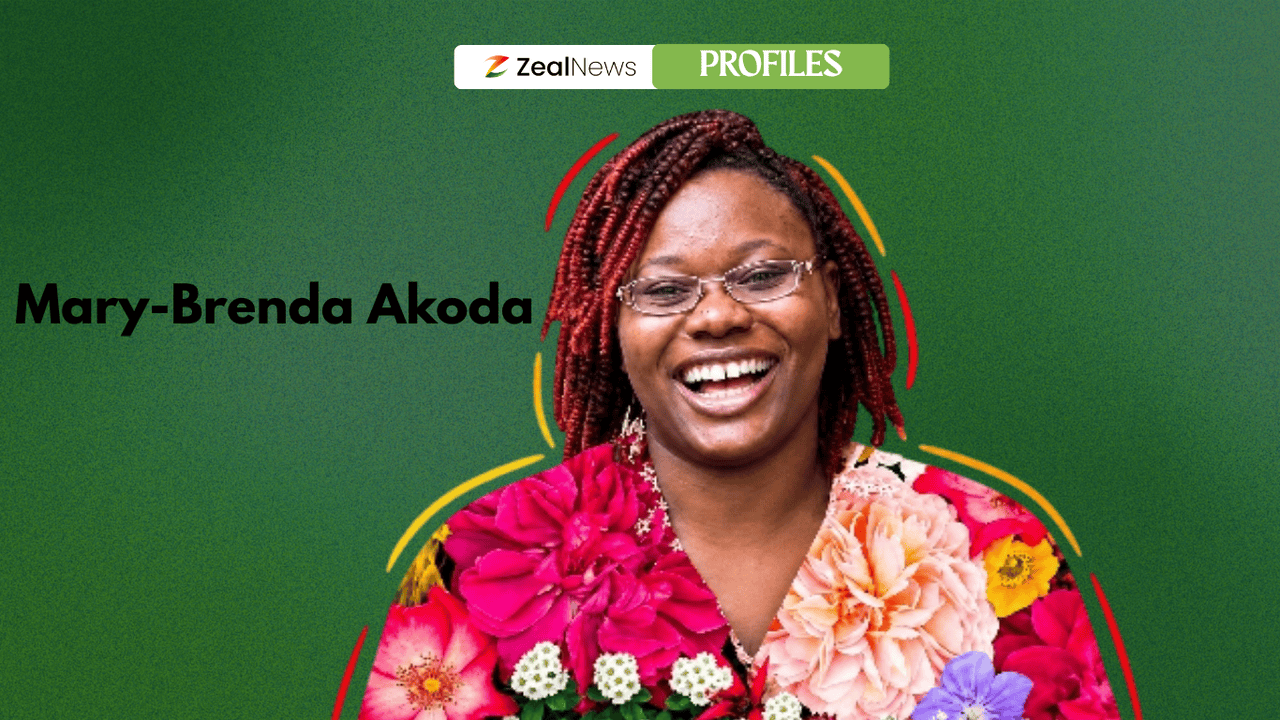
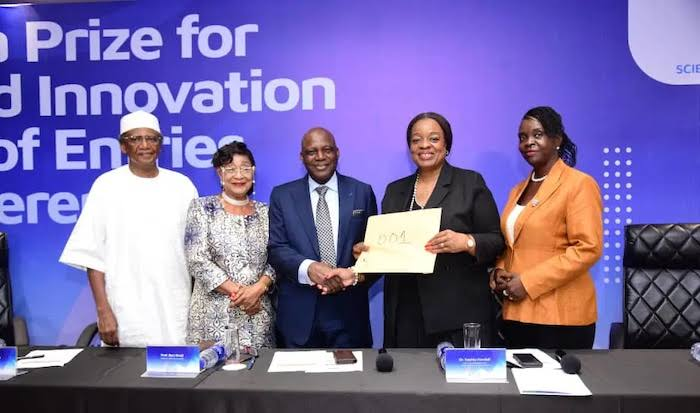
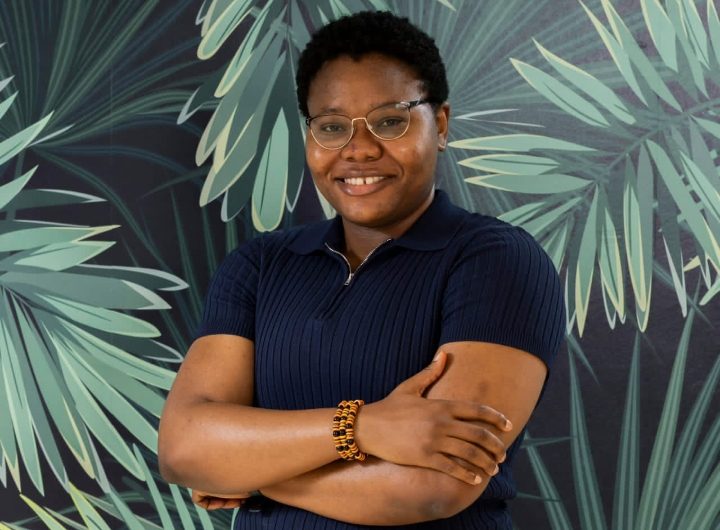
Mary-Brenda Akoda was announced in September as the winner of the 2026 Nigeria Prize for Science and Innovation for work using artificial intelligence to speed up MRI scans.
Her company, GenScan AI, says its GenMRI technology can reduce MRI acquisition times by up to 90% while working with existing scanners. Akoda was selected from 237 entries and will receive the $100,000 prize. She is thefirst woman to win the prize as an individual.
The award has brought her MRI research into the spotlight, but it is not where her work with AI and healthcare began.
Before MRI, she was working on diabetic retinopathy
Akoda studied Computer Science at Goldsmiths, University of London, specialising in machine learning and artificial intelligence. During her degree, she built projects including a mental-health screening chatbot, a malaria-detection model and a diabetic-retinopathy detection system.
The retinal work later became aresearch paper with ophthalmologist Dennis Nkanga. The researchers trained six deep-learning models using 3,662 retinal images from the APTOS 2019 public dataset and tested them on 168 images from the University of Calabar Teaching Hospital.
The models performed less well on the Nigerian images. The researchers pointed to differences between the datasets, including image-capture specifications and retinal characteristics, as possible explanations.
It was a practical example of the work involved in taking medical AI beyond a controlled dataset and into a specific healthcare setting.
Then her research moved into MRI
After university, Akoda worked in software engineering and AI research at Microsoft, including its Mixed Reality and AI Research Lab in Cambridge.
She later completed an MRes in Artificial Intelligence and Machine Learning at Imperial College London, where she was aGoogle DeepMind Scholar. Her research with Chen Qin focused on reconstructing MRI images from fewer measurements collected during a scan.
That research producedC-MORE, short for Consistency-Model-based One-step Reconstruction for MRI.
In tests using cardiac MRI data, C-MORE reconstructed images in0.18 to 0.52 seconds. The researchers also tested it on a separate knee-MRI dataset without retraining or fine-tuning the model.
The reconstruction figure refers to producing the image after the measurements have been collected. It is separate from the total time a patient spends undergoing an MRI examination.
What GenScan is changing
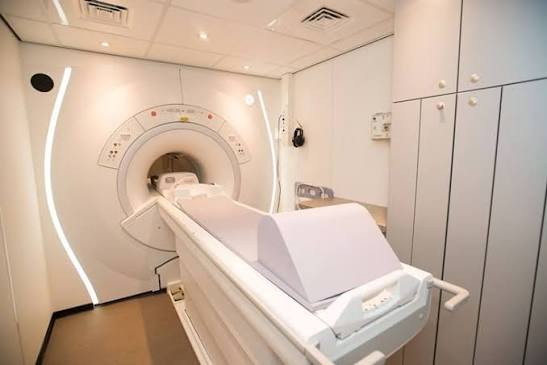
GenScan has taken the research into a product called GenMRI.
The company says the system can use AI to reconstruct MRI images from fewer measurements collected during the scan, allowing the acquisition period to be shortened. Its example is a 20-minute scan taking about two minutes, which represents a reduction of about 90%.
GenScan says it has retrospectively tested the technology on more than 8,800 MRI scans and is working towards clinical translation. The company currently describes the technology as pre-certification.
The 90% figure is therefore a company-stated potential reduction in MRI acquisition time, rather than a claim that every MRI examination will take two minutes. The C-MORE research, meanwhile, provides evidence about the speed of image reconstruction under the conditions tested.
Clinical validation, regulatory requirements and implementation will determine how the technology performs in actual healthcare settings.
A little more about Akoda

Akoda has described GenScan as coming from a personal conviction shaped by lived experience. She has saidshe does not want people to suffer or die because of delayed diagnosis. She has not publicly detailed the experience behind that statement.
Her technical work has also extended beyond healthcare.
Akoda was the technical lead for aYoruba Dictionary app developed with her brother, Philip Akoda. Hetold Vanguard that she handled the UI/UX and full-stack development, including features such as badges and automated word recommendations.
Her path into MRI has therefore passed through several different kinds of technology work, from language tools to retinal screening and medical imaging. GenScan is now the project attached most closely to her name, and its next stage is taking the research through the clinical process.