The New Tax Law: Implications for the Common Man
There is a New Tax Reform in Nigeria that is set to place effect from January, 2026. What does this mean for those earning lower salaries/wages?

You must have heard about the new tax law, or maybe not, but this what Nigerians Need to Know Before January 2026.
If you thought the tax system in Nigeria was already complicated, brace yourself, the federal government has just enacted a major overhaul of the tax regime that begins on January 1, 2026. For the “common man”, the salary earner, the small business owner, the informal trader, these changes could feel big, but they could also bring relief. The key is to understand what’s coming, what it means for you, and how you should prepare.

What are the changes?
Here are some of the major reforms under the new tax laws:
So, on the 26th of June 2025, President Bola Ahmed Tinubu signed the four (4) Tax Reform Bills into law. These laws include the Nigeria Tax Act (NTA), The Nigeria Tax Administration Act (NTAA), The Nigeria Revenue Service Act (NRSA) and the Joint Revenue Board Act (JRBA), collectively referred to as “the Acts” hereafter. The effective date for most of these reforms is January 1, 2026, and the reforms aim to consolidate tax statutes, simplify the tax system, reduce duplication and multiple taxes, and improve administration.
Some of the reliefs and changes announced include:
Exemption thresholds for individuals and small businesses being increased.
VAT (Value Added Tax) exemptions for some essential goods and services to reduce burden on everyday households.
A rebranding of the tax agency: The old Federal Inland Revenue Service (FIRS) will be replaced by the Nigeria Revenue Service (NRS) with a broader mandate.
How does this affect the “common man”?
Here is what everyday Nigerians should pay attention to because there are potential benefits which includes: More relief for lower-income earners, if you are earning a modest salary, you may be better off or at least protected from the steepest tax burdens. Clarity and fewer surprise taxes, the consolidation of tax laws means less confusion over which tax ruley — fews appler hidden levies or overlapping taxes. Potential for reduced cost of living, exemptions on essentials (food items, education, transport) could help reduce the burden of everyday expenses. Support for small businesses, that is if you operate a small or micro business, the reform may exempt you from certain taxes, making your business easier to manage.
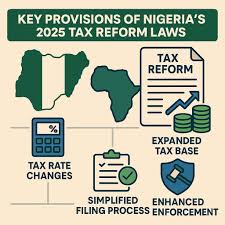
There are also, potential challenges like rate changes or new taxes for others, which means that while there are reliefs, some categories may face new or higher taxes (for example digital transactions, virtual assets). Secondly, implementation risks because while reform is one thing; execution is another. Changes in tax systems can cause delays, confusion, or misapplication especially for informal workers or those without access to proper tax advice. Thirdly, informal sector impact, many Nigerians work in the informal economy (unregistered, no formal payroll). Tax reforms could aim to bring more into the tax net, meaning more people may now be required to register or pay taxes, and lastly how will the awareness gap be bridged? Because if people do not know about the changes, you may miss out on reliefs or fall into pitfalls (non-compliance, penalties).
This is what you should do now (before 2026)

The New Tax Law has changes that we should take note of, so it is wise to educate yourself, read up on the key changes,what your rights are, whether you are exempt, and what documentation you may need. Check your income and business status: If you earn a salary, check your exemption threshold; if you own a small business, see if you qualify for the relief’s small-business provisions. Keep records: For tax reliefs (for example on essential goods, exempt supplies) you may need receipts or proof of transactions. Ensure you are registered (if applicable): If you operate a business or side-hustle, make sure you are properly registered because changes may enforce registration more strictly. Seek professional advice: If your income/business is complex (digital earnings, virtual assets, cross-border transactions) you may need a tax consultant. and Plan for the transition: Since the law takes effect January 1 2026, you have time to prepare, so update systems, processes, budgets, etc.

Tax reform often carries the tag “good in theory, tough in practice”. For Nigeria, this is one of the most significant tax overhauls in recent times. For the common man, the reform holds promise: relief, clarity, and fairness. But the upside depends on how well the changes are communicated and implemented — and how individuals respond.
So if you are wondering “What does this mean for me?” it means you cannot sit it out whether you are earning little or more, Inform yourself, take action, and make sure that you are positioned to benefit, not to be blindsided.