The New Scramble for Africa: Navigating the U.S, China, and Russia’s Competing Interests
As global powers jostle for influence in Africa, the continent is no longer a pawn but a key player in a high-stakes contest for resources, alliances, and autonomy.
In classrooms across Africa, we were and are still being taught about the Scramble for Africa as a historical event, something that happened in the Berlin Conference room in the 1880s.
But what if that “scramble” never really ended? What if it simply shape-shifted into silk ties, investment documents, arms deals, infrastructure blueprints, and summits dressed in diplomacy?
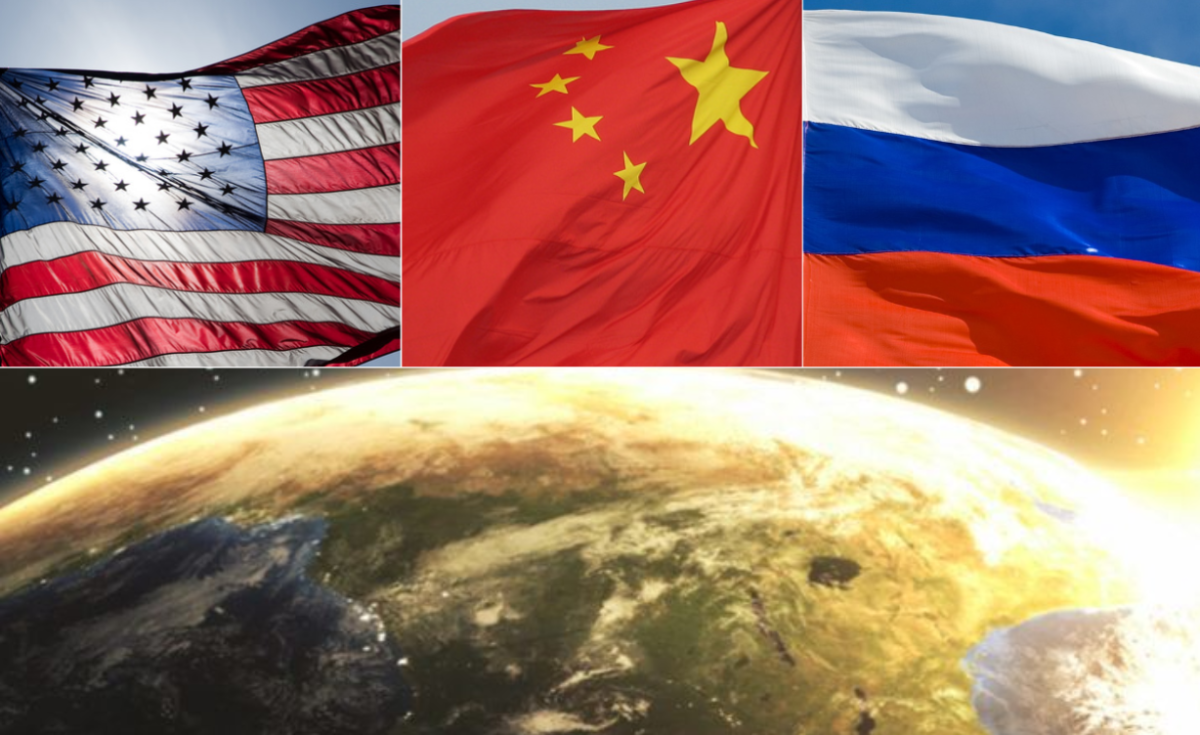
Let's take a peek at the new scramble. This time, the superpowers are not moving with flags, rifles and violence. They are rather wearing silk suits, holding MOUs and multi-billion dollar chequebooks.
The United States, China, and Russia are once again circling the continent. No, they are not out looking for lands to colonise rather they are out for consolidation. Looking to get influence, access and indirect control.
However, this is no longer the 1880s. Africa is no longer a pawn in the game. Many African nations are striking counter-deals, and playing one power against the other. The continent may be courted, but it is no longer clueless.

Photo Credi: Wikipedia
The U.S: From Foreign Aid to Foreign Investments
Once upon a time, America tried to win African hearts through soft power. They used scholarship programs, HIV/AIDS funding and democratic evangelism. And as much as these were helpful to the continent, today, under a newly transactional administration, those goodwill tools are gathering dust.
Washington is now less about “How can we help?” and more about “How do we compete with China?” Africa is seen less as a partner, and more as a prize. More like a stage on which to counter Beijing’s moves.
Take Prosper Africa, for instance, a flagship U.S. initiative that promises trade, investment, and private sector partnerships. But dig beneath the press releases and you will find vague commitments, unpredictable funding, and a long trail of unmet goals.
Meanwhile, the U.S. military footprint quietly expands, particularly in the Sahel and Horn of Africa. AFRICOM is increasingly active in drone surveillance, counterterrorism training, and setting up “temporary” bases that are anything but temporary.
And yet, many African nations are growing wary of America’s “democracy litmus test.” It is not lost on them that Washington wags its finger at electoral malpractice in Zimbabwe but sells weapons to authoritarian regimes elsewhere.
This inconsistency is costing the U.S. valuable credibility.
China: Roads, Rails, and Red Flags
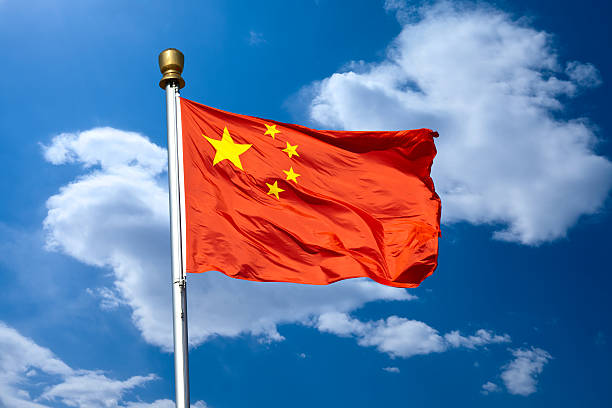
If America hesitates, China builds. Across the continent, China’s presence is concrete. From Nairobi’s slick Standard Gauge Railway to the glittering African Union headquarters in Addis Ababa, Beijing is building the future of African infrastructure.
In the first five months of 2025, China-Africa trade topped $134.16 billion, making it the continent’s largest trading partner. But it is not just trade. It is roads, bridges, dams, power plants, ports, stadiums, and surveillance systems. It is also debt.
Critics call it“debt-trap diplomacy”, a strategy where China loans money for megaprojects, then seizes strategic assets when payments falter.
Proponents argue that these projects are filling critical gaps left by the West. For many African leaders, the maths is simple: if China offers a highway in 18 months with no lectures about governance, why not?
But discontent is bubbling. Citizens of African countries have taken to the streets to protest these deals, environmental degradation, and the growing sense that Chinese companies import their own labour while leaving locals with crumbs. Yet despite the tensions, China’s speed, scale, and strategic patience have made it nearly impossible to ignore.

Russia: The Quiet Operator
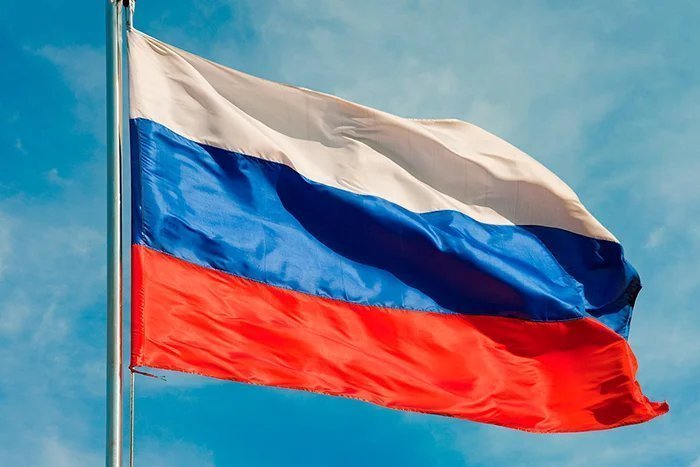
Then comes Russia, less visible but just as vested. Unlike the U.S. or China, Moscow is here to build stadiums or trade in billions. It deals in arms, security, and subversion. The Wagner Group or its rebranded successors has operated in Mali, Sudan, and the Central African Republic, offering muscle in exchange for mineral rights. Gold, diamonds, and uranium are the new currency of Russia’s African ambitions.
Its playbook is simple: step into power vacuums left by retreating Western influence, arm unstable regimes, and present itself as the anti-colonial ally. With Soviet nostalgia, Russia hosts Africa summits, pushes state media like RT and Sputnik, and positions itself as a protector of African sovereignty, ironically, while undermining it.
Still, some leaders welcome Russia’s non-interference stance. No questions about term limits. No press conferences on corruption. Just guns, guards, and gold.
Africa: Not Just a Piece, But a Player
For decades, Africa was the table but now it is pulling up its own chair. Many African countries have stopped waiting for aid or apologies and started negotiating.
Ghana taxes foreign mining companies more aggressively. Kenya has rejected Chinese loans that come with heavy conditionalities. South Africa’s quiet balancing act, condemning Israel’s war in Gaza while maintaining trade with the West, is a masterclass in diplomatic multi-tasking.
Even smaller nations like Rwanda and Djibouti have become geopolitical leverage points. The former sells security services and peacekeepers as foreign policy, while the latter hosts military bases for France, the U.S, China, and Japan, all within a few kilometers of each other.
But it is not just the state actors. African civil society is waking up too. Journalists are questioning land deals.
Youth movements are demanding digital sovereignty. In Senegal, protests stopped a French-backed oil project. In Nigeria, young people are fighting surveillance tools bought from China.
What’s Really at Stake?
Let us not be ignorant. This new scramble is about more than influence, it is more about the raw materials that power tomorrow.
Africa holds 70% of the world’s cobalt, critical for EV batteries. It sits on a treasure chest of lithium, rare earth elements, and solar potential. Whoever controls those resources isn’t just winning in Africa, they are winning globally.
There is also data. With Chinese 5G networks rolling out across the continent, questions about surveillance, cyber sovereignty, and digital colonialism are mounting. Will Africa own its own data or lease it out for pennies?
And then there is food. Foreign companies continue to quietly acquire African land for agribusiness, often displacing indigenous farmers under the guise of “development.” It is the old playbook in new packaging.
This Isn’t Berlin and Africa Isn’t Sleeping
This is not a Cold War sequel. It is a hot competition in a warming world.
Africa is no longer the passive continent it was during the original Scramble. Yes, foreign actors are back, but this time the script is different.
This time, Africa is reading the print, reshuffling the cards, and setting the terms.
The question now is whether African leaders will use this moment to consolidate gains, diversify partners, and build systems that outlast whichever power is currently offering the biggest cheque.
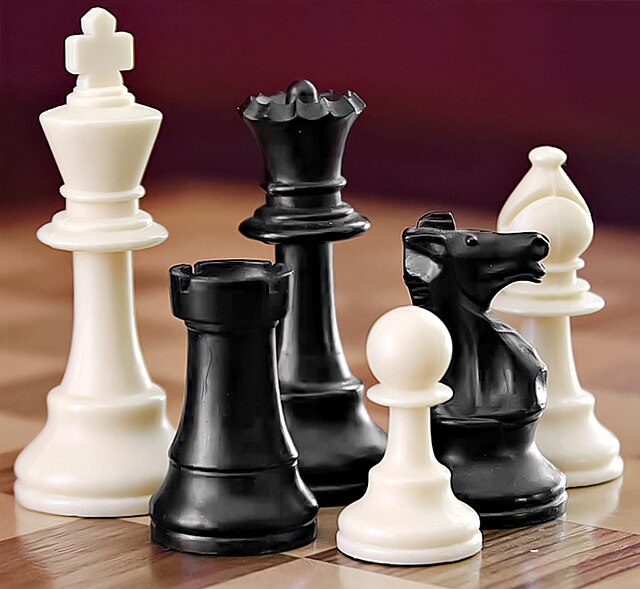
Because in this global chess match, Africa is no longer the prize, it is the player that could redefine the game.