The Natural Hair Movement: Identity or Trend?
The natural hair movement was once a declaration of self-love and defiance. Now, it sits at the crossroads of culture and commerce. Are we still embracing our roots, or just styling them to fit a new kind of standard?
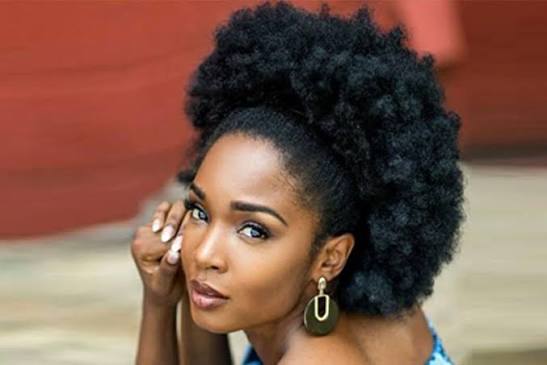
At first, it wasn’t about beauty. It was about freedom. The natural hair movement began as a rebellion, a declaration that we would no longer apologize for our roots, our coils, or the gravity-defying ways our hair chose to exist. From the days of afros as symbols of resistance in the 1960s and 1970s to the natural hair resurgence in the 2000s and 2010s, one truth rang true; this was more than hair, it was identity.
But somewhere between the social media ages, something shifted. Natural hair became an aesthetic, a label, even a brand. And while millions still wear their kinks and coils with pride, others are quietly asking: have we turned a movement into a market?
The Roots of Rebellion
To understand the natural hair movement, we must first return to where it began in history.
For decades, African hair was a political statement. The colonization promoted a certain image, and so the closer one’s hair and skin aligned with European ideals, the more “acceptable” they became. In different institutions, natural hair was often labeled as unkempt or too African and straight hair became a passport to social acceptance.
But, then came the resistance, the “Black is Beautiful” era. Angela Davis, a young human rights activist and member of the 1966 revolutionary movement Black Panthers, made the Afro hairstyle famous. In the 1960s and 1970s, African and African-American communities embraced the afro as a symbol of cultural pride. The hair wasn’t just style; it was a statement and reclaiming of identity. Yet, like all revolutions, that fire dimmed. Chemical relaxers became the norm again through the 1980s and 1990s. Good hair meant that it was manageable, which often connoted “straighter.” For many African women, the weekly salon visits and harsh relaxer burns were simply a part of life and the price of being presentable. Then, quietly, in the 2000s, something began to stir.
When the Internet Went Natural
The 2010s saw the digital rebirth of the movement. Suddenly, women were doing “big chops,” swapping relaxers for leave-in conditioners, and documenting every stage of their transition journey. It was another revolution. For the first time, women could see others who looked like them celebrating what was once hidden or mocked. Coils and kinks began reclaiming public space in Africa and beyond.
But the internet, for all its community, also brings competition. We weren't just embracing your natural hair, one had to have the right curl pattern, the best product shelf, the prettiest wash and go.
Then, brands and companies noticed, leading them to rebrand. Soon, natural hair products became all the rave, a proof that identity had become profitable.
The Hair Wars: Natural vs. Relaxed
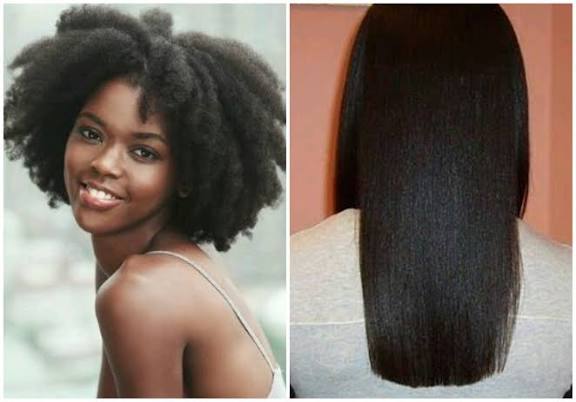
And then came the tension and divide between Team Natural and Team Relaxed. For some, natural hair became a moral high ground, a symbol of authenticity, pride, and resistance. Relaxed hair, on the other hand, was branded fake, colonial, or insecure. But was that fair? Because, if we’re being honest, hair has always been personal before it was political. Some women simply prefer the sleekness of straight hair or the ease of not spending half a day detangling. Others feel freer with braids, wigs, or frontals. Yet the discourse often forgets that choice. True empowerment includes the right to choose either.
Still, we can’t simply ignore what fuels these choices. Relaxed hair once came with validation, while natural hair came with defiance. Even now, some workplaces still subtly favor Eurocentric appearances. The natural hair movement may have started as a reclamation, but it’s also revealed how deeply social structures still shape our self-expression.
The Rise of the Frontal Era
Just when natural hair seemed to win, another wave swept in, lace wigs, frontals, bone-straight weaves, and 40-inch Brazilian bundles. Some saw it as regression after the whole wave of embracing our roots. But maybe it’s not that simple.

Today’s young women aren’t necessarily rejecting natural hair, they’re remixing beauty on their own terms. Some people love the duality of rocking an afro today and a frontal tomorrow. Still, it's worth asking: Are we free, or just following a different kind of standard? The global beauty economy now celebrates Black aesthetics but often through Western approval. And so, when African women wear wigs, are they expressing versatility or catering to an algorithm of beauty?
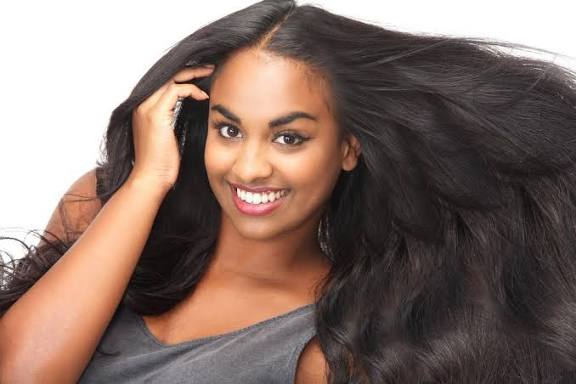
When Identity Became Industry and Aesthetics
Every movement that gains traction risks being commodified, and natural hair was no exception. Brands long discovered that identity sells, and what began as a movement of self-acceptance has since turned into a billion-dollar industry.
Of course, that has its perks. The rise in natural hair products gave visibility to African entrepreneurs and local beauty brands. Local and traditional ingredients found global recognition.
But commercialization comes with its trap, the subtle shift from expression to expectation. Now, natural is a look, and an expensive one at that. To be part of the movement, you need the right routine and all the right tools. What was once about freedom is now often defined by aesthetics. We’re reclaiming, redefining, and rebranding all at once. But we’re also wrestling with contradictions. Many people love the message of authenticity but also enjoy the creativity of transformation. This may not be hypocrisy, maybe it’s complexity.
In the end, the natural hair movement wasn’t supposed to end with one texture winning over another. It was meant to make all textures valid.
What’s in a Curl?
In the end, the question “Identity or trend?” might not have a single answer. For some, the natural hair movement is still an unlearning of centuries of shame. For others, it’s simply style, another way to feel beautiful with no special sentiments attached. And maybe that’s okay. What matters is why we choose what we choose. If a movement born from freedom turns into pressure, we’ve lost the plot. Hair shouldn't define or divide us. The goal was never to make everyone go natural, the goal was to make every choice valid.
So perhaps the better question isn’t whether the natural hair movement is identity or trend, but whether we’ve learned to love ourselves enough to tell the difference. And if not, maybe it’s time to detangle that too.