The Mini-God Boss Syndrome: When African Business Owners Demand Worship, Not Work
In Africa’s workplaces, leadership too often looks like worship. The Mini-God Boss Syndrome examines how ego-driven management stifles innovation — and how a new generation of African entrepreneurs is redefining leadership through empathy, collaboration, and respect.

Power Before Performance
Walk into a small or mid-sized company anywhere in Africa and you’ll spot it right away. The boss isn’t just in charge, he’s treated almost like a king. People don’t just show up for work; they work under someone who expects more than just respect. There’s this “Mini-God Boss Syndrome” floating around, where being the boss means you’re somehow above everyone else. It’s not enough to be good at your job. You’re supposed to feel grateful just to be in the boss’s orbit.
This way of doing things has deep roots. Going back to colonial times, following orders was considered a virtue. That old mentality crept into today’s workplaces. Now, a lot of new business owners, especially those who started with nothing, think being the boss means dominating everyone else. If people are scared of you, you must be doing something right, or so the story goes. So you get offices where respect isn’t earned, it’s just demanded. Push back even a little and suddenly you’re “disloyal.”
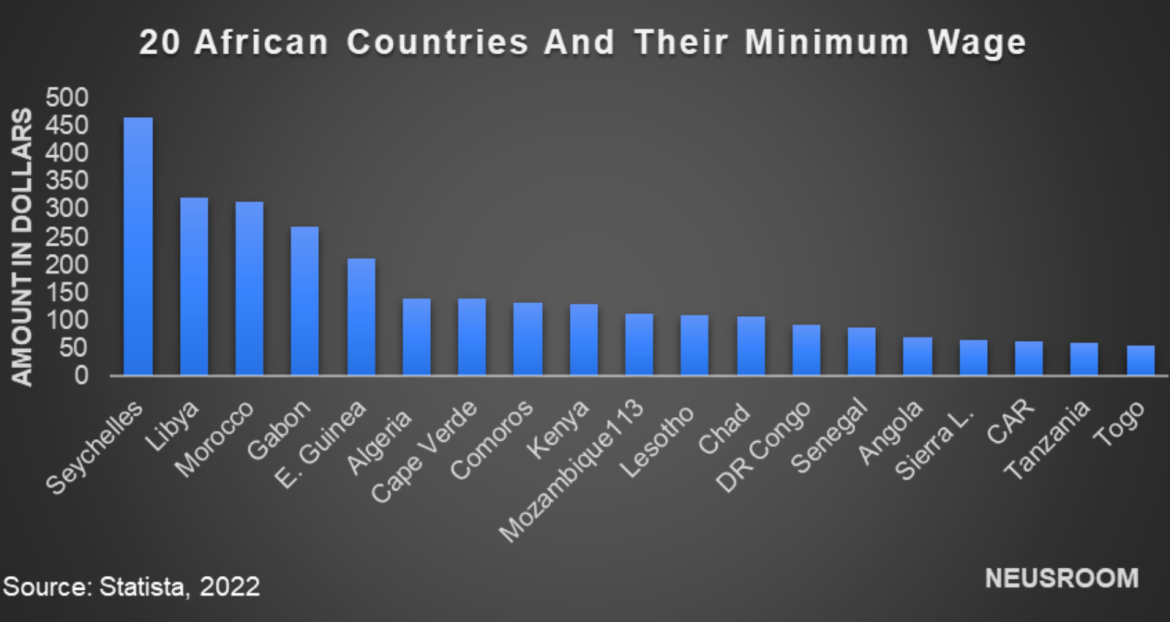
You’ll hear the same complaints from Lagos to Nairobi to Accra. Employees whisper of bosses who expect royal greetings every morning, who call you in the middle of the night, who want your undying loyalty while your paycheck can barely cover your taxi fare. Leaving a place like that doesn't feel just like leaving a job; it feels like escaping some kind of cult.
What's really at the heart of all this? Insecurity, dressed up as authority. A lot of these bosses went through hard times. Many didn’t have much schooling. Maybe that’s why they think being in charge means controlling every little thing. But instead of running real companies, they end up ruling over tiny kingdoms, where flattery moves you up and honesty gets you tossed out.
The Cult of Ego and Loyalty
The Mini-God Boss Syndrome isn’t just a personality quirk, it’s baked into the way a lot of African businesses run. So many of these companies are family-owned, run on vibes, and almost allergic to proper HR systems. Without a real structure, the boss’s personality seeps into every corner. The company just becomes an extension of their ego, and everyone else is stuck clapping for them.

Take that advertising firm in Lagos. A former employee remembers the pressure: everyone had to post birthday tributes to the boss on Instagram. If you didn’t, you were “ungrateful.” Over in Ghana, there’s a real estate company where staff had to show up at the boss’s family events, all wearing the same outfits. No pay, just “for the company image.” Stuff like this shows how personal loyalty gets tangled up with what’s supposed to be your job.
These so-called “mini-god” bosses love to push the “we’re a family” myth. But let’s be real—the “family” idea only works one way. The boss gets away with their mistakes, their word is law, and if you push back, you’re a traitor. In this setup, sucking up matters more than doing your job well. Promotions tend to go to whoever flatters the boss the most, not the people who actually get things done.
It doesn’t just mess up the office, either. When leadership turns into an ego contest, there’s no real teamwork. Employees spend more time performing than thinking. Young professionals pick up the message fast: praise the people above you, push down on everyone else. And then, when they move up, they repeat the same cycle. The Mini-God Boss Syndrome keeps passing itself down.
Some sociologists compare this whole thing to medieval feudalism. The boss is the “lord,” holding all the resources, and the employees are “peasants,” expected to serve—not just with their work, but with their devotion. In a

lot of African workplaces, that feudal vibe hasn’t really gone away. Power still comes from personality, not from clear policies.
And let’s not ignore the big driver: status. In many African cultures, success has to look obvious and hierarchical. Someone has to be at the top, and everyone else lines up below. That's why a more collaborative style of leadership can feel odd or even weak to people. Even young, well-educated founders fall into the same patterns: they see pushback as betrayal, demand loyalty that's almost worship, and think being a leader means being adored.
All of this comes at a cost: burned-out staff, constant turnover, and businesses that never outgrow their founders' egos. In the end, ego sets the ceiling for how far the company can go.
Breaking the Myth of Divine Leadership
If Africa is to break the Mini-God Boss Syndrome, it needs to re-conceptualize what leadership is. Leadership is not sacred authority; it is shared responsibility. When businesses run on ego, they don’t last. The moment the “mini-god” boss steps down, the whole thing falls apart. Real success belongs to teams and institutions, not just a single person at the top.
This is already happening. Quietly, a new type of workplace culture is sweeping across Africa. Over in Nairobi, you’ve got companies like Twiga Foods and M-Kopa breaking down the old hierarchies. Even junior employees have a voice and can challenge big decisions. In Lagos, new tech and media founders are building open feedback systems and giving mental health the attention it deserves, something older bosses used to laugh off. These younger leaders are showing that empathy isn’t a weakness; it actually gets results.

There’s also real money on the table. Investors are starting to look at things like company culture and how happy people are at work. They walk away from toxic bosses. But when they see collaboration and strong leadership, they want in. As Africa turns into a hotspot for startups and creative industries, leaders who understand people—and treat them well—will only get more valuable.
For African business culture to move forward, it has to drop the worship routine. Respect shouldn’t just flow one way. Bosses need to see their employees as partners, people whose ideas and dedication decide whether a company makes it. It requires a shift to better education, actual mentorship, and new labor laws to protect workers against abuse.

In the end, it's a moral decision: do you lead by fear, or by trust? Mini-God bosses have survived because keeping people quiet paid off. It’s always been easier to demand praise than to earn respect. But only respect builds something that lasts. Africa’s future won’t be shaped by how many people can boss others around, but by how many can actually inspire.
The Mini-God era won’t disappear overnight. It’ll fade as leaders stop confusing obedience with loyalty, as companies build systems that outlast personalities, and as workers realize that standing tall isn’t rebellion, it’s dignity. African workplaces can still honor tradition and respect. But it’s time to do it standing up, not on their knees.