The Hidden Sugar in Nigerian Snacks
From sausage rolls to zobo, Nigerian snacks are secretly packed with hidden sugars that fuel fatigue, diabetes, and addiction. This piece uncovers how everyday “innocent” treats have turned into silent health risks and what we can do to reclaim our diets.
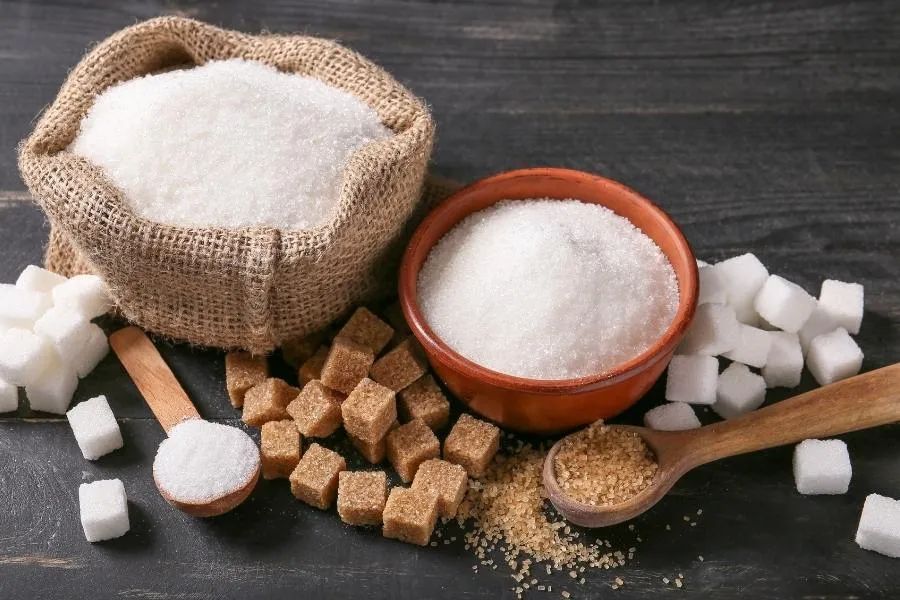
You know that familiar crunch, that satisfying bite of packaged sausage roll after a long bus ride, washed down with chilled soda drink or a sachet of sweetened yogurt? Yeah, that one.
Now imagine that single combo quietly loading your bloodstream with more sugar than a can of Coke.
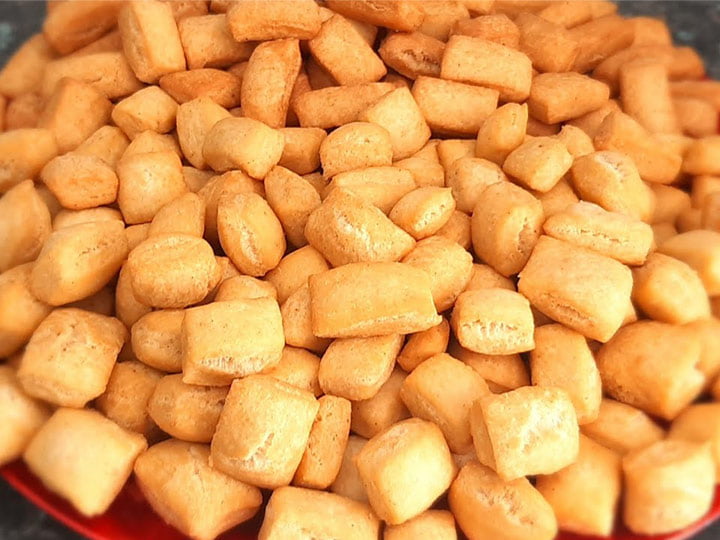
We don’t talk enough about this, but Nigeria might be sleepwalking into a sugar crisis and it is not just about soda drinks. It is about the snacks we have trusted for decades: chin chin, puff puff, biscuits, zobo, plantain chips, sweetened yogurt, and “innocent” fruit juices that promise vitamins but deliver glucose spikes instead.
The Sweet Trap We Grew Up In
Most of us were raised on sugar. It is in our childhood memories as much as it is in our bloodstreams.
The reward for good grades? A pack of Cabin biscuits or Bournvita and milk.
Birthday party treats? Choco Milo and Caprisone.
Long road trips? Gala, Chin Chin, and Lucozade Boost.
These were not luxuries, they were symbols of joy. Sugar, for Nigerians, became intertwined with celebration, energy, and even survival. But that cultural sweetness has now become a health time bomb.
According to a 2024 report by the World Health Organization (WHO), Nigeria ranks among the top African countries with increasing rates of diabetes and obesity particularly among young people. What is scary is that most of these cases are not caused by the obvious culprits like cakes or ice cream, but by everyday snacks consumed in small but constant doses.
“No Sugar Added” But They Lied
Pick up any popular snack pack and read the label. You will see fancy phrases like “fortified,” “natural,” or “no added sugar.” But here is the trick: many of those products still contain sweeteners, high fructose corn syrup, or refined glucose, all of which behave like sugar in the body.
For example, some “fruit juices” have less than 10% actual fruit and more than 60% sweetened concentrate. Yogurt drinks? Many are glorified soft drinks with milk flavour. Even the zobo you buy at the corner kiosk often contains as much sugar as a soda bottle, because vendors know customers prefer “sweet zobo” to the authentic taste.
The problem is not just ignorance, it is psychology. Sugar lights up the brain like a drug. It triggers dopamine, that same “feel-good” chemical linked to addiction. That is why you crave more puff puff after two, or why “just one bite” of chin chin turns into an entire bag.
It is not lack of discipline, it is just chemistry.
The Silent Killer in Small Packets
Let’s get a bit scientific.
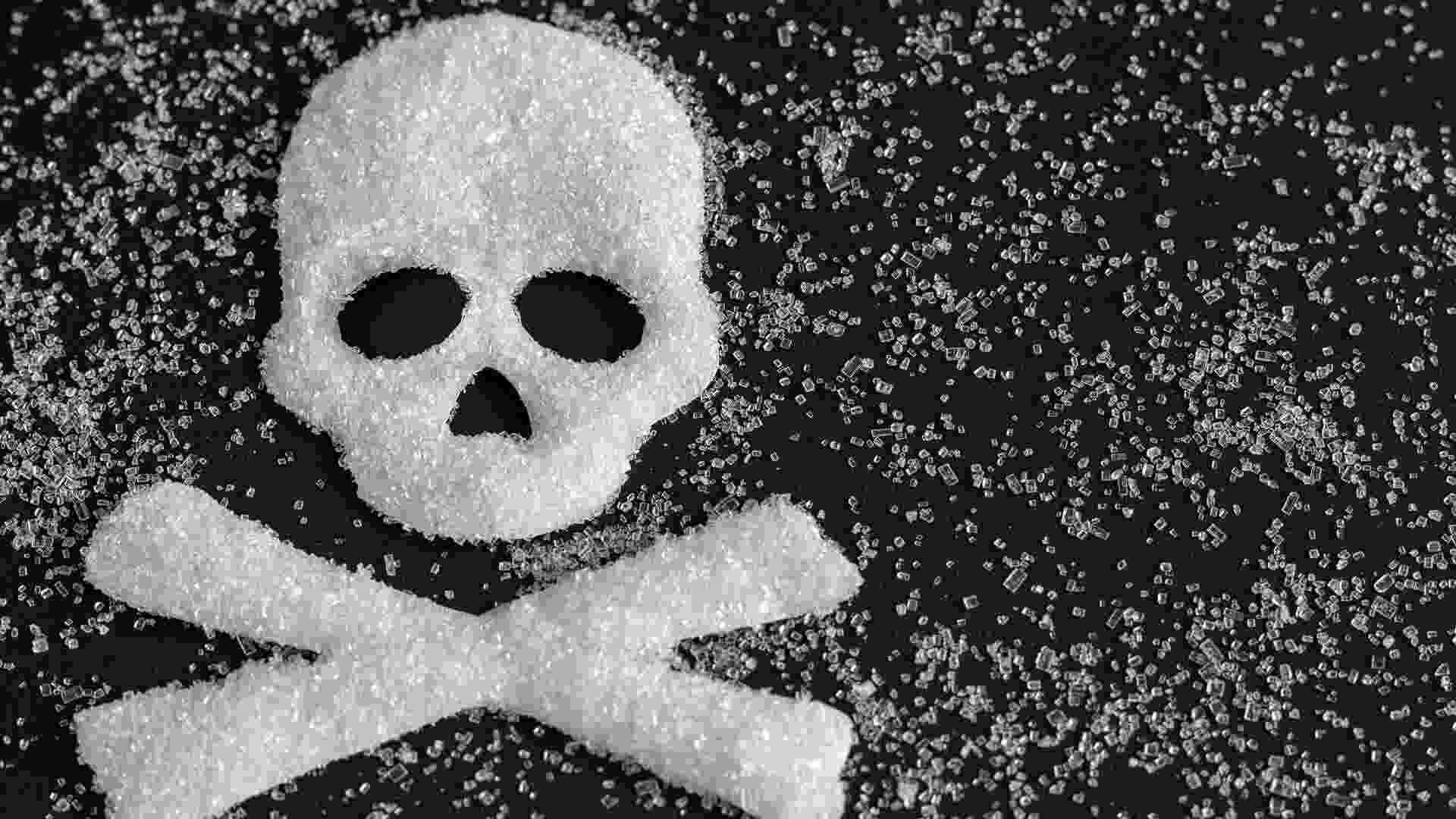
When you consume excess sugar, your pancreas has to release insulin to help your cells absorb glucose. But if you keep bombarding your body with sugary snacks, your cells become resistant. That is the beginning of type 2 diabetes.

Now here is where it gets worse: most Nigerians don’t even know they’re diabetic until they collapse. Routine health checks are rare, and sugar-heavy diets are normalized.
The average Nigerian adult consumes about 50–70 grams of added sugar daily, according to local health estimates which is double the recommended amount. And this does not include hidden sugars in sauces, bread, and processed foods.
Think about that the next time you take tea with three cubes of sugar plus that “small snack” to go with it.
Children: The New Sugar Victims
Walk into any primary school gate at 12 p.m., and you will see the pattern: hawkers selling chin chin, candy, biscuits, and frozen sweet drinks. Kids buy them daily, and parents often encourage it because “it is just snack.” But here is the grim truth: early sugar exposure reshapes taste buds and metabolism for life.
Children who grow up eating sweetened snacks have a higher chance of developing obesity, cavities, and insulin resistance by their teenage years. By university age, that is the average student who skips breakfast but survives on sweetened beverages all day.
We are raising a generation whose energy source is sugar and not nutrition.
Why Sugar Hides So Easily
Sugar doesn’t always appear as “sugar” on labels. Here are a few names it hides under: sucrose, high-fructose corn syrup, glucose syrup, maltose, dextrose, caramel, molasses, agave nectar
So even when you think you are avoiding it, it might still be there lurking under fancier names that sound harmless.
Worse, many small-scale Nigerian producers don’t even include nutrition facts on their packaging, so you have no clue what you are eating.
The Cultural Excuse: “We Need Energy”
One common defense you will hear is: “We need sugar for energy, abeg. Life is hard.”
And in a way, that is true. Nigeria’s harsh realities make people seek quick comfort and sugar delivers fast dopamine. It is cheap, accessible, and momentarily satisfying.
But over time, that quick “energy” comes at a heavy cost. You'd start to observe sluggishness, fatigue, and health complications that drain more money than you ever saved. It is the classic short-term pleasure, long-term pain story.
The Industry’s Sweet Deception
The Nigerian snack industry is a multi-billion naira machine. Companies know that sugar sells, and they design flavours around it.
A 2023 survey showed that 70% of local snack manufacturers intentionally exceed WHO sugar limits because “customers prefer sweeter taste.”
In other words, we are being conditioned and exploited to crave what kills us.
The Way Forward
It is unrealistic to expect people to completely give up sugar especially when food options are limited or expensive. But we can reduce and replace it more consciously.
1. Read Labels (When They Exist)
If the first three ingredients include sugar or syrup, it is basically dessert.
2. DIY Snacks
Make your own zobo or yogurt at home and control your sugar levels. Try honey or dates as natural sweeteners.
3. Support Honest Brands
Some Nigerian startups are creating low-sugar snacks using natural fruits and grains. Reward transparency with your wallet.
4. Rethink “Energy” Drinks
Most so-called boosters are just caffeine and sugar bombs. Water, coconut water, or unprocessed juice gives real hydration.
5. Teach the Kids Early
Don’t normalize “sweet = treat.” Let them develop taste for real food.
This is Awareness
The goal is not to demonize snacks. It is, rather, to demand honesty and mindfulness.
We can’t let sugar dictate our lives not when it is already dictating our health outcomes.
If you have ever wondered why you are always tired despite eating well, or why your skin breaks out randomly, or why you crave snacks every two hours, the answer might not be stress. It might just be sugar; the hidden kind and deadly kind.
So, next time you grab that sausage roll and drink, ask yourself one small question:
Is it really hunger or just another hit of sugar?