The Globalization of African Fashion: From Local Roots to Global Runways.
African fashion and its designers are taking the world by storm, proving that what began as tradition is now the future of global fashion.
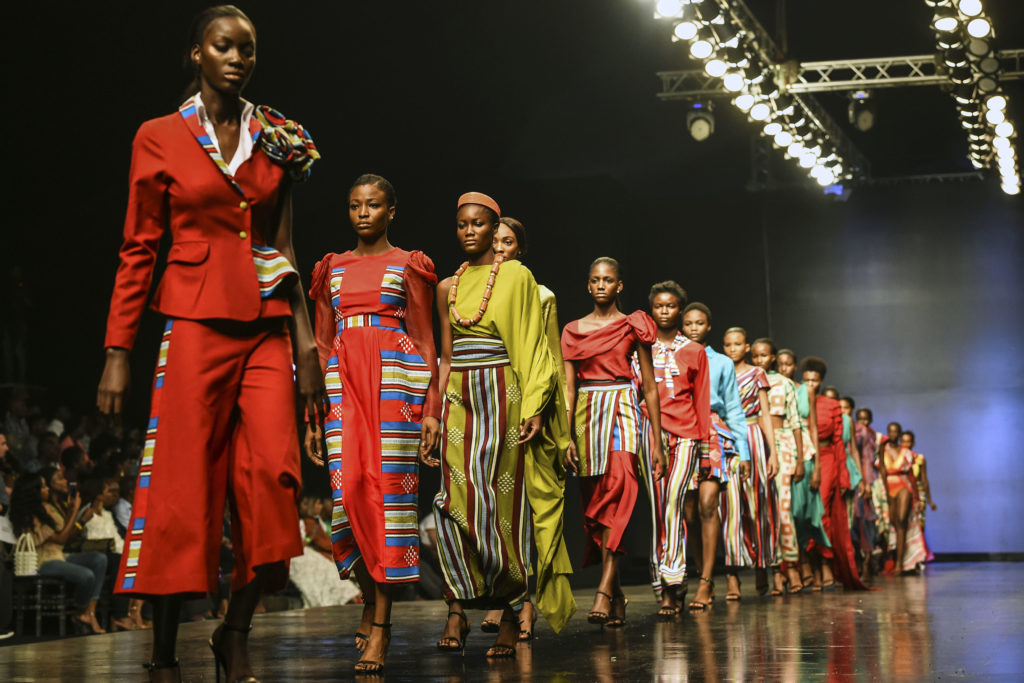
Fashion plays a very huge part in the world today. And, in recent times, there's been a rise in a particularly striking concept on global red carpets, runaways and stages.
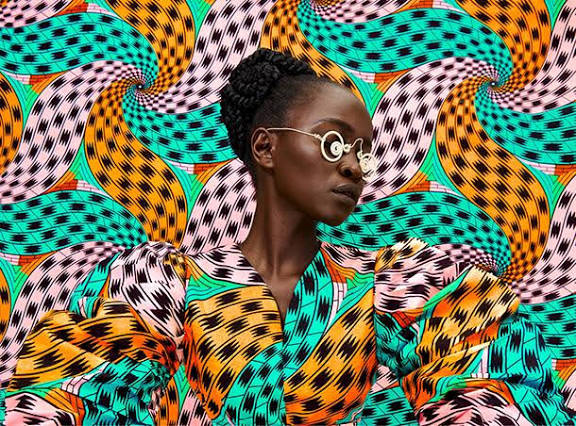
African prints and styles, such as ankara, adire, kente, and aso oke have become major statement pieces, the true peak of fashion and style worldwide.
In a world of rapidly evolving systems and trends, and also the history of African culture and systems, the question is raised, How did African fashion move from local markets to the global stage?
The Cultural Evolution.
The historical roots of African fashion are deeply connected to environmental resources, with early clothing made from materials like bark, animal skins, and raffia, and adorned with natural pigments and jewelry.
Over centuries, trade, migration, and cultural exchange introduced new fibers like cotton and silk. Also, external influences like the Middle Eastern boubou were introduced, while indigenous textile techniques and symbolic designs flourished, reflecting social status, identity, and life events.
According to Africa Fashion Tour, the colonial period, marked by European domination had a significant impact on African fashion. The colonialists brought with them their own styles of dress, often attempting to impose their aesthetics to the detriment of local practices. This period also saw the emergence of resistance movements, where subversive tactics enabled Africans to preserve and even reinforce their traditional clothing heritage.
After independence, the return to cultural roots became a strong political act of identity. The leaders of the new national states encouraged the valorization of local fashion as a means of asserting their new-found autonomy. It was during this period that many African designers are beginning to gain recognition, not only on the continent but also internationally, thanks to their innovative creations combining tradition and modernity.
With time, fashion has become a medium for storytelling and identity in Africa, through its use of traditional textiles, colors, and patterns to convey cultural heritage, social status, and individual expressions.
Garments and pieces like Ghana's Kente cloth, Nigeria's Adire, and the Maasai's beadwork are rich with symbolic meaning.
Global Recognition and Representation.

U.Mi-1 alludes to the fact that in the 21st century, African fashion is in the global spotlight, from runways to its use by celebrities in music videos and film. It is almost impossible to ignore. When influential people like Beyoncé and Michelle Obama step out on red carpets wearing African clothing, they turn heads, and reinforce trends to follow.
Social Media also plays a very valid role. It helps allowing designers to bypass traditional restrictions and reach customers worldwide via platforms like Instagram and TikTok, procuring a global appreciation for the continent's rich cultural heritage.
According to UNESCO, in parallel to the positive dynamics observed in the garments sector, the surge in African creativity has also resulted in the rise of African high fashion brands.
Some of the top African creative designers in the fashion industry include Lisa Folawiyo, Thebe Magugu, Anifa Mvuemba, and Adebayo Oke-Lawal, who are known for mixing the traditional African aesthetics with modern styles. Well-known Nigerian fashion designers include Lisa Folawiyo (known for mixing prints), Mai Atafo (a master of bespoke tailoring), and Deola Sagoe (a pioneer in Nigerian couture). Other prominent designers are Duro Olowu, Veekee James, Adebayo Oke-Lawal (of Orange Culture), and Kenneth Ize.
The Role of Technology and Media.
Lead Web Praxis stated that technology applied in the fashion industry indeed is multi-faceted and transformative; one advantage standing out among so many others is the democratization of fashion that technology has facilitated. The possibility of high-end designs now comes through online platforms and digital fashion shows to a lot more people than ever. This has simultaneously torn down barriers of elitism within the industry and invited fledgling designers and niche markets to grow
Technology and media now serves as means to boost African fashion by providing global reach through digital platforms, and enabling the creative designers to use advanced and sophisticated tools for design and production.
The media also helps to promote brands, styles and influencers.
Online boutiques like Farfetch and SSENSE, along with larger e-commerce platforms like Amazon and ASOS, helps to connect designers with global customers by acting as marketplaces for fashion. These sites showcase a curated selection of unique, rare, contemporary, and emerging designers, as well as taking care of marketing, sales, and shipping to reach a global audience.
Challenges and Cultural Ownership.
However, with the rise in popularity of African fashion, the main issue is the thin line between cultural appropriation; which involves taking elements from a marginalized culture without context and for profit, and cultural appreciation; which is respectful engagement with that culture.
In African fashion, appropriation often involves stripping garments of their history, while appreciation involves acknowledging and honoring their origin.
There seems to be the recurring issue where global brands often borrow designs or trends from African designers without proper credit or compensation.
As Fablstyle stated, before incorporating elements from a different culture in outfits and accessories, designers and brands must invest time in understanding the historical, religious, and social significance of what they wish to incorporate. Education is the foundation of cultural appreciation, ensuring that designers can pay homage to a culture rather than exploit it.
Hence, there is a need for African designers to take a stand and retain ownership of our heritage and culture, and maintain visibility in the global market, as well as global platforms.
The Future of African Fashion.
The next wave of African fashion is represented by technology, sustainability and a rise in recognition on a global scale, which is driven by new and creative designers, e-commerce and a focus on the cultural heritage.
Economical expansion of the industry will arise from efforts to embrace technology and e-commerce, prioritizing sustainable and ethical fashion and also focusing on pushing local brands adoption to reach a global audience.
A major way to achieve this is supporting more small scale but promising fashion brands, providing sources of empowerment for various start-ups, and also focusing on making use of sustainable and ethical materials.
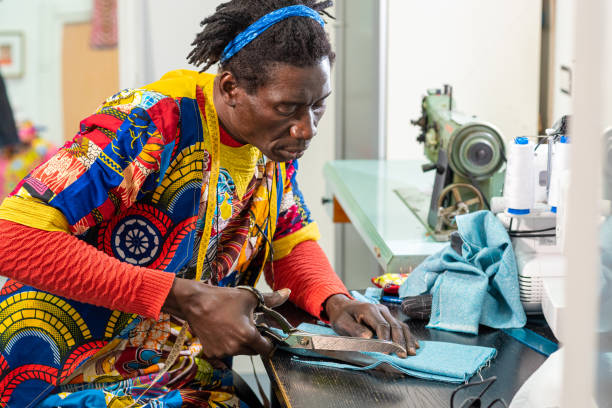
In conclusion, African fashion is more than just a passing trend, it is a global identity statement.
With the extended fame that African fashion has gotten in recent times, it helps to truly tell the story of African culture, fashion and identity on a global level.