The Art of Remembering: Museums and the Politics of Memory
Across Africa, museums are being reimagined as spaces of truth, justice, and identity. From debates over looted artifacts to digital archives and activist art, the continent is reshaping how it remembers — and who gets to tell the story.
Who gets to write the history of the past?
In museums all over Africa, treasures lie quietly, telling tales of victory and defeat. Within, there are relics of ancient kingdoms, whispers of struggles, and artifacts of colonial times. But in truth, how the artifacts are presented tells as much about today as it does yesterday. In post-colonial societies, remembering isn’t just about saving old things — it’s about fighting over whose version of history ends up in the spotlight.
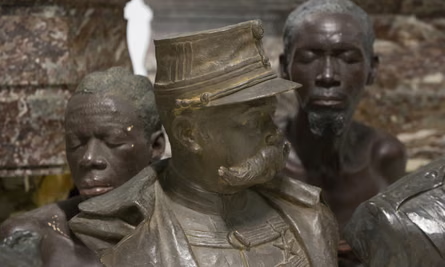
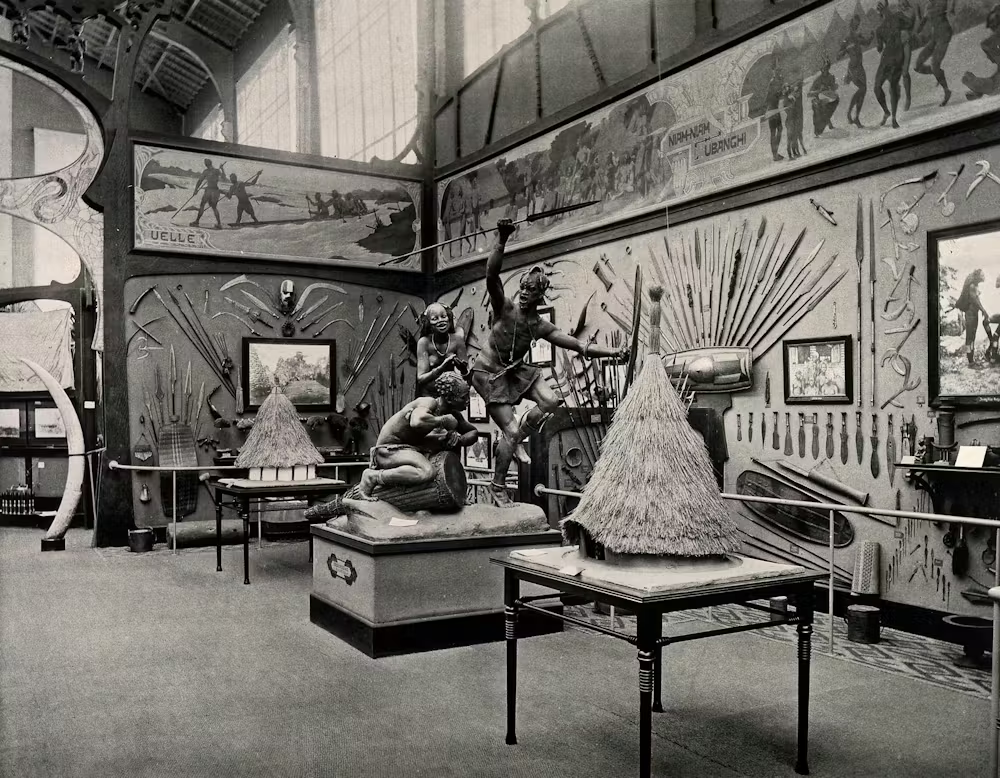
A lot of these museums started out under colonial rule. Back then, they weren’t built to honor local people. They were built to sort and label African life for Europeans, to show off the supposed gap between colonizer and colonized. And even after independence, some museums kept looking at African culture through that same old lens, as something frozen in time, not something living and changing.
Things are shifting now. There is a new generation of curators, artists, and historians pushing against what remembering means. Consider Ghana's National Museum. It's been repurposed to focus on resistance and Pan-African pride, instead of colonial discovery. In Dakar, the Museum of Black Civilizations is a challenging reminder of the place of Africa in world history. These museums are pushing back against the old habit of framing Africa's story in European vision.
But rewriting the past is not easy. Deciding what to say and what not to say is always a political act. Whose pain do we mark? Whose victories shape the nation’s story? Consider South Africa: museums like the Apartheid Museum and the District Six Museum aim to help heal the country and face the truth. But even there, people argue over how complicity, reconciliation, and the vast fault lines cutting through the country are illustrated.
And then of course, there's the fight to return plundered artifacts back home. The repatriation campaign of looted treasures from museums in the West is not about the artifacts themselves, it is about dignity and ownership of history. Nigeria’s demand for the Benin Bronzes is a call to fix old wrongs and reclaim the power to tell its own story. Museums that once served the empire now face pressure to act as agents of reparation.
Therefore, African museums are no longer dusty repositories. They're platforms where nations wrestle with memory, identity, and justice, spaces where nations decide not just how they remember themselves, but how they want the world to view them.
Memory, Identity, and Power
Who gets to remember, and how, is ultimately a function of who holds power. When a country determines what parts of its history it gets to keep living, it's not just curating a collection, it's dictating how people perceive themselves for centuries. You see it play out all across Africa, where colonialism displaced or re-wrote so many histories. Now, bringing those stories back isn’t just about history; it’s about claiming ownership over culture.
Museums are catching on. Instead of just putting old objects behind glass, a lot of them now want people to actually connect with their history. Take Ethiopia’s Unity Park Museum in Addis Ababa. It tries to build a story of national unity by what it presents. Some praise it, while others say that it glosses over hard political truths.
You witness something comparable in Rwanda. The Kigali Genocide Memorial is more than a museum—it's a site of mourning. It's impactful, emotional, and charged with political significance. The official narrative there is one of reconciliation and remembrance, but memory is obvious to heal and dominate simultaneously. Governments lean on museums to bring people together, but sometimes that unity hides the messier parts of the past.
Artists aren’t sitting this out either. They’re using installations and digital art to shake up the usual museum storylines, mixing memory with creativity. Kenyan artist Michael Armitage, for example, uncovers the conflict between colonial histories and real memories. Sethembile Msezane rewrites history in South Africa to remember overlooked women. These artists are laying it on the line: remembering is not a silent occupation, it's political, dirty, and active.
And today, with technology moving so fast, virtual museums and online repositories are popping up on every corner. Projects like "African Digital Heritage" use 3D scanning and web-based storytelling to save pieces of culture that are otherwise lost. These uses make access democratic, so anyone and everyone throughout the continent can search and add their shared memory, no matter how distant they are from any real museum.
Of course, digital spaces aren’t neutral ground. There are real questions about who controls the data, who gets access, and whether digital platforms just repeat old patterns of outside control. The fight isn’t only about getting physical artifacts back anymore, it’s also about making sure Africans own their digital memory, too.
History
Rewind the Stories that Made Africa, Africa
A Journey Through Time, Narrated with Insight.
The Future of Remembering
Today, when people are discussing museums and memory, the conversation is shifting. It's not so much about freezing the past to the letter as it is making room for all, allowing people to define themselves and actually speak, rather than listen. But memory is tricky. It always sits at that crossroads between history and national identity, and politics can get messy. In many African nations, retrospective isn't the goal any longer. Today, it's about leveraging the past as a launchpad for imagining new futures.
Young people are actually transforming things. They’re connecting with heritage in ways that feel personal and fresh. Social media’s become this massive stage for sharing ancestral knowledge, family stories, and traditional arts, stuff that might never get a spot in a museum. Suddenly, memory is no longer held in glass cases or repositories. Humans are sharing it in podcasts, TikTok strings, and wacky, collaborative works of art. This shift is making history a chorus instead of a voice, where humans have the liberty to curate their own stories.
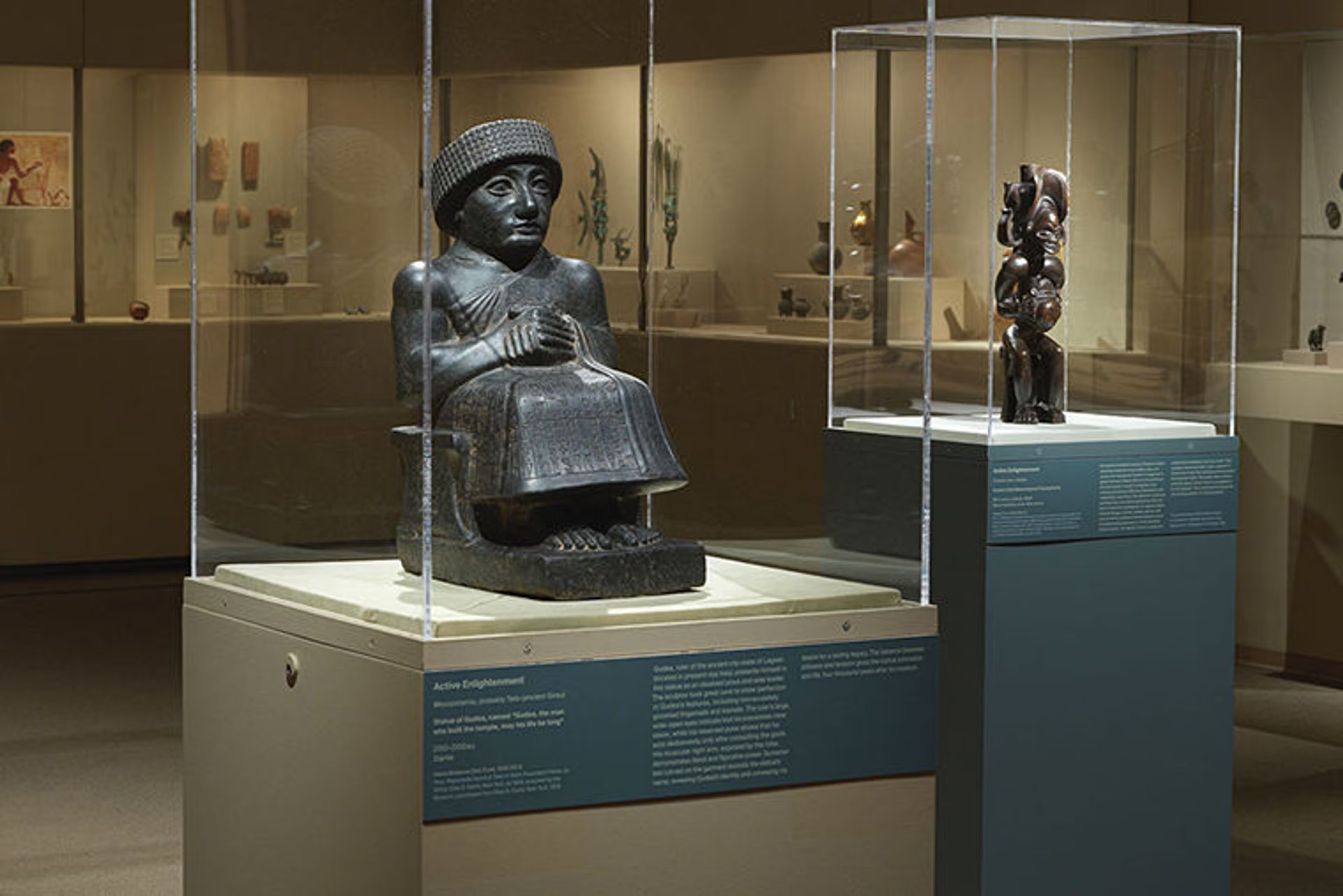
On another front, African museums and international institutions are teaming up, and it’s changing what restitution even means. It’s not just about shipping objects back and calling it a day. Now, you see more co-curation, joint exhibitions, and real knowledge exchange. The concept isn't to create fresh dependencies—it's to level the playing field, so the African curators can write their own stories, on their own terms.
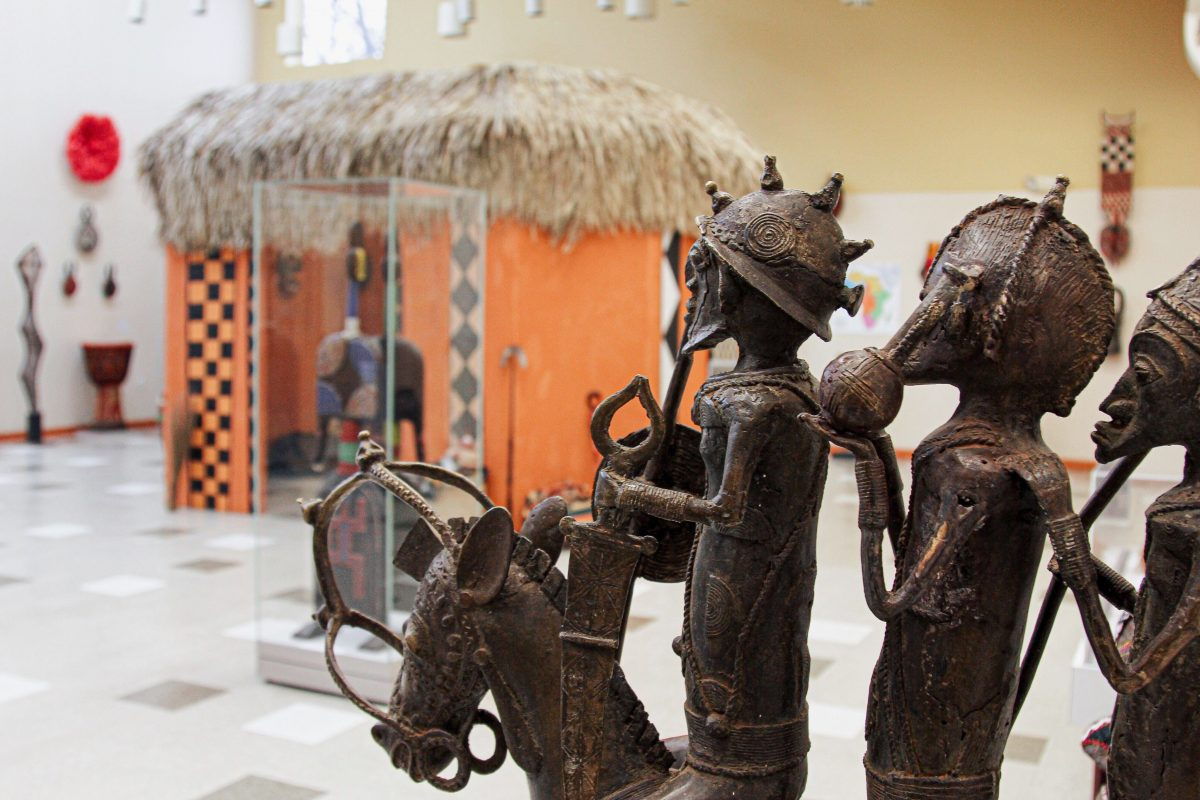

But underneath all that, there is a colossal question hanging in the air: how do we remember in societies that have been so traumatized and changed? Some researchers claim that you can't recall without forgiving, while others say genuine healing starts by going straight into those wounds. Museums aren't quiet rooms filled with artifacts anymore. They're now moral battlegrounds, places where people go to meet the past, not avoid it.
At its core, remembering isn't merely nostalgia or cherishing forefathers. It's about power, compassion, and vision. To remember honestly means facing pain; to remember with creativity is to take back control. As African societies keep redefining themselves, museums will stay at the heart of the struggle over identity—messy, lively, and essential. They’re where our old stories run into the question: who do we want to become next?