Tech With No Tech Jobs: Why Coding Alone Won’t Save the African Economy
Africa’s coding boom has created thousands of skilled developers, but not enough jobs. The continent’s challenge isn’t a lack of talent, but a missing link between skills and opportunity.

The Coding Rush and the Promise of a Digital Future
Over the past ten years, “learn to code” has echoed everywhere in Africa. You see it in government ads, NGO flyers, private tech academy billboards—coding is sold as the magic key to a better life. There’s this image everyone knows: young Africans huddled over laptops in trendy co-working spaces, all fired up to crack the unemployment code with Python, JavaScript, and sheer hustle.
That wasn't just hype. The youth population of Africa was exploding, faster than anywhere else in the world. It felt like the perfect storm: a digital revolution rising and millions of young people ready to ride the wave. Countries like Nigeria, Kenya, Egypt, and South Africa started churning out new coders by the thousands-thanks to programs like Andela, ALX, Decagon. And governments that wanted to shake off old economies built on oil or farming put their money on tech.

But here’s where things get messy. Behind all the hype and slick success stories, a strange contradiction started to grow. Sure, tons of people can code now. But the jobs? They just haven’t kept up. All over Africa, you’ll find young developers with shiny certificates, stacked GitHub profiles, full portfolios, just no companies around to actually hire them.
That’s the hard truth: Africa is training coders way faster than it’s creating jobs for them. The startup scene is vibrant but still pretty young. Venture money used to pour in; now, not so much. Big tech firms hit the brakes on hiring after global layoffs. And while remote work once looked like a golden ticket, the competition from cheaper markets in Asia and Eastern Europe slammed the door shut for many African developers. So here we are: a new generation, loaded with tech skills, still facing the same old problem, no jobs.
The Missing Link — Jobs, Not Just Skills
Here’s the thing: the real issue isn’t that Africans can’t code. It’s that coding, by itself, doesn’t grow an economy. People keep pushing the idea that if you teach enough folks to write software, jobs will magically appear. That’s just not how it works. What’s actually missing is the bigger picture, the web of industries, companies, and infrastructure that turn know-how into real productivity.

Tech jobs don’t live on their own. They rely on a whole ecosystem: local businesses using digital tools, startups that actually scale, industries weaving tech into their day-to-day. But in a lot of African countries, that whole chain is pretty shaky. Most small and mid-sized businesses — which, honestly, make up the bulk of the workforce — still run mostly offline. Sure, they need to go digital, but that doesn't always mean hiring a coder. Oftentimes, they need someone who can handle marketing automation, set up e-commerce, coordinate logistics, or integrate payment systems. These roles all sit at the crossroads between technology and business, not deep in the world of software engineering.
Right now, though, most tech training programs focus almost entirely on pumping out developers. They produce people who know how to build an app, but not necessarily how to spot a gap in the market or actually run a tech-enabled business. So there’s this growing mismatch between what gets taught and what the real economy asks for.
Those who get jobs, it's rarely with big tech companies. Most end up freelancing, jumping into digital marketing, or trying their hand at UI/UX design. Others mix their tech skills with something else entirely, real estate agents who build their own websites, fashion designers who run online shops, that sort of thing. The truth is, Africa’s big digital opportunity isn’t just about churning out software engineers. It’s about weaving technology into every industry, whether that’s farming, entertainment, retail, or anything else.
This whole idea of “train people first and figure out jobs later” just isn’t working. Until the economy builds real pathways that connect skills with business needs, coding academies will keep graduating people into jobs that simply don’t exist.
Rethinking the African Tech Dream
Latest Tech News
Decode Africa's Digital Transformation
From Startups to Fintech Hubs - We Cover It All.
If Africa is going to turn a coding boom into a real tech revolution, it needs to focus less on the training of individuals and more on building strong tech ecosystems. It's not enough to teach people how to code; the environment around them has to make those skills count.
Let’s start with local demand. Governments and investors shouldn’t just treat tech as an export business, where African talent is shipped off to serve clients in the West. There’s a much bigger opportunity right at home. Digital innovation can tackle everyday problems-broken supply chains, shaky financial systems, messy healthcare data, and old-school schools. We need coders working on projects that actually touch people's lives, not just competing in another hackathon.
Tech education must move with the times, too. Bootcamps should mix coding with business smarts, product thinking, and entrepreneurship. Not everyone is going to become a developer, and that’s fine. Some people will be founders, digital strategists, or operations leads who know both tech and the local market. Programs like Kenya’s Ajira Digital and Nigeria’s Talent City are trying to bridge this gap by linking talent to real jobs, not just endless training.

And then there’s the private sector. Too many companies still hire outside consultants for their tech needs instead of building their own teams. Small and mid-sized businesses should start using local digital solutions, that shift alone could open up thousands of jobs for African tech workers.
One more thing: we need to stop selling tech as some kind of magic ticket out of poverty. Coding is powerful, sure, but it’s not a cure-all. It’s just one tool among many, you still need manufacturing, solid infrastructure, policy changes, and creative industries working together. Without all that, tech can’t fix everything.
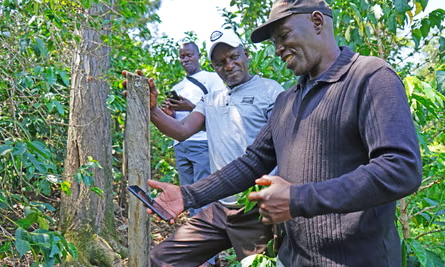

The dream of a digital Africa isn’t dead. It is going to take much more than laptops and JavaScript lessons to set this in motion. Real innovation happens when technology meets the real world, coders meet farmers, teachers, traders, and city planners; then Africa's digital revolution might actually achieve something.