Tech Innovations That Failed, Yet Influenced Modern Technology
They flopped, they were mocked. Some were discontinued within years. But without these “failed” tech innovations, your smartphone, social media, and even online grocery delivery might not exist.
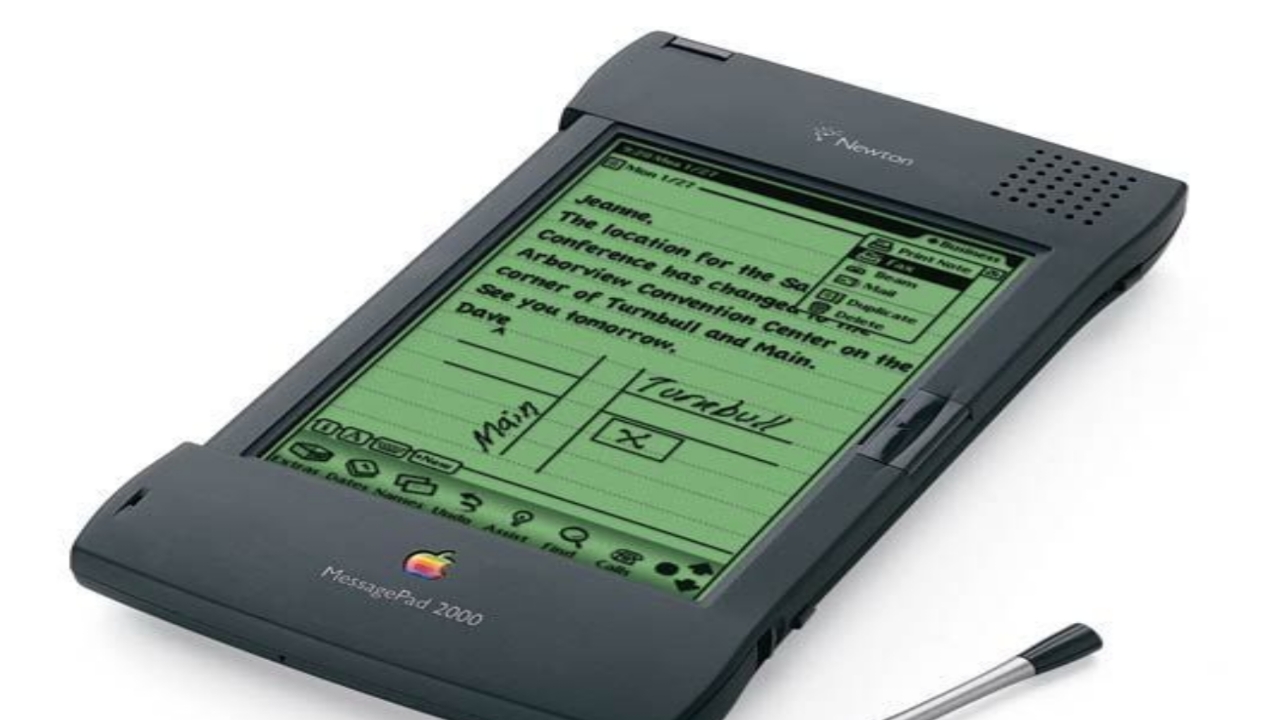
In 1993, Apple released a device that could send faxes, store contacts, recognize handwriting, and function as a digital assistant. It was bulky. It was expensive. The battery life was unreliable. Critics mocked it, and sales collapsed.
The product was called the Newton, and it failed.
Today, nearly every smartphone on the planet carries its DNA.
Failure in technology is often treated like erasure. A product dies, a company folds, a headline moves on. But influence does not obey the same rules as profit. Some inventions never survive the market yet quietly reshape it.
Influence does not require survival.
Here are tech innovations that stumbled commercially but altered the trajectory of entire industries.
1. Apple Newton: The Device That Predicted the Smartphone
Launched in 1993, the Apple Newton was one of the first personal digital assistants. It introduced features that now feel ordinary: stylus input, note-taking apps, contact management, and early handwriting recognition.
Its flaws were visible, the recognition software struggled, and the price exceeded $700 at launch. It was heavy for its time. By 1998, Apple discontinued it.
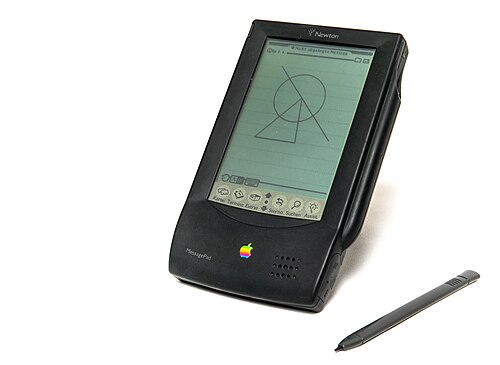
Yet the Newton established the conceptual framework for handheld computing. Former Newton engineers later contributed to projects that informed the iPhone. The idea that a pocket-sized device could organize your life moved from speculative to inevitable.
The Newton failed in sales. It succeeded in imagination.
2. Google Glass: A Decade Too Early
When Google Glass launched publicly in 2013, it was marketed as the future of wearable computing. It offered heads-up notifications, voice commands, and camera integration directly into eyewear.
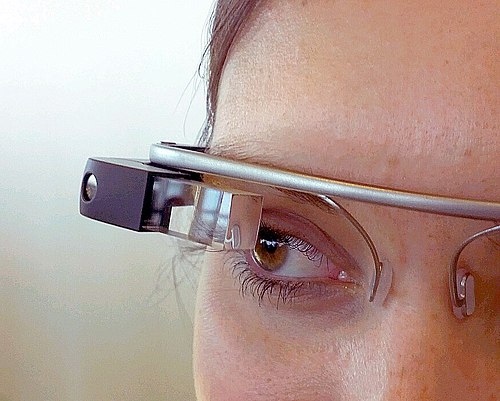
The backlash was swift. Privacy concerns dominated headlines. Bars and cinemas banned the device. Early adopters were nicknamed “Glassholes.” Consumer sales stopped in 2015.
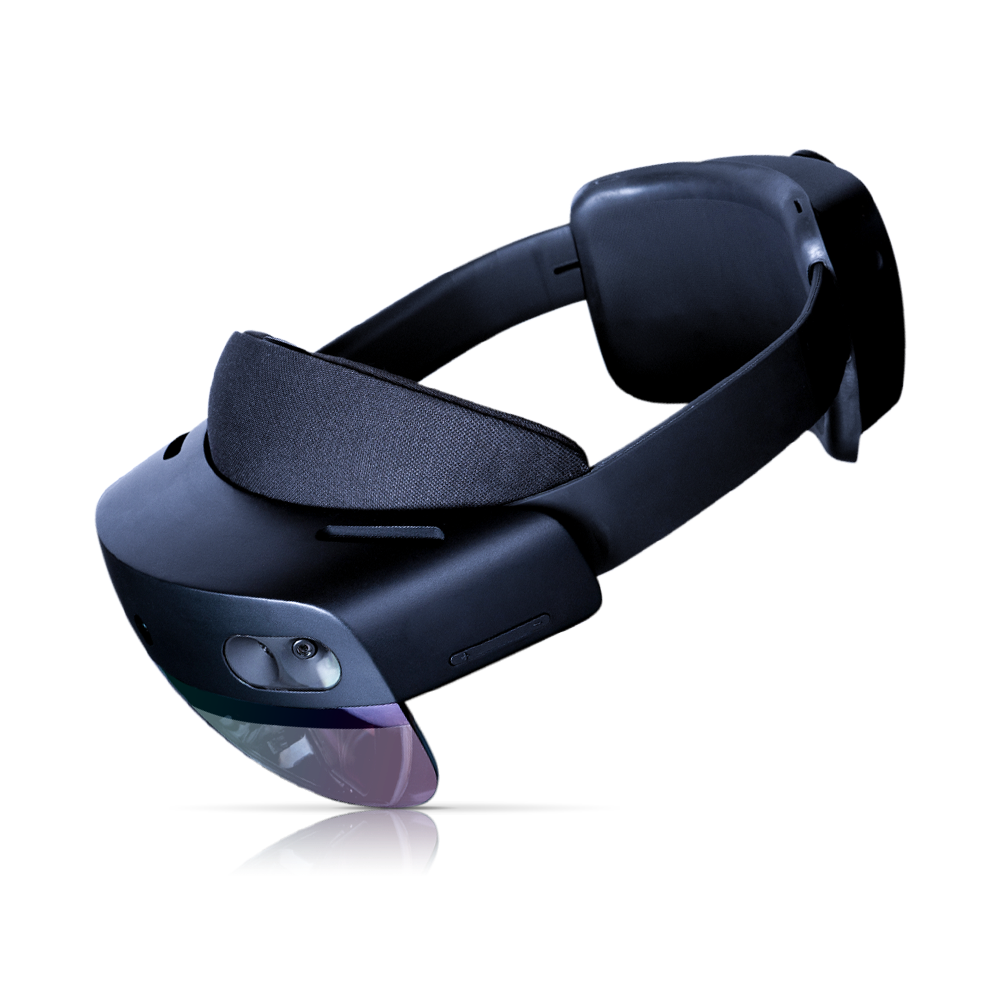
Yet augmented reality did not disappear. Microsoft refined the idea with HoloLens. Apple later entered the spatial computing market. Smart glasses have re-emerged in enterprise and industrial contexts.
Latest Tech News
Decode Africa's Digital Transformation
From Startups to Fintech Hubs - We Cover It All.
Google Glass misjudged timing and social readiness. It did not misjudge direction.
3. Segway: The Overhyped Reinvention of Transport
In 2001, inventor Dean Kamen introduced the Segway Personal Transporter. Investors and media suggested it would redesign cities. Some predicted it would replace walking in urban centers.
Well, it did not.

The high cost, regulatory barriers, and limited use cases confined it to tourism and niche applications. Production ended in 2020.
Still, the Segway normalized personal electric mobility. The balancing technology influenced later devices such as hoverboards and electric scooters.

The current micromobility boom, including shared e-scooters in cities worldwide, builds on groundwork that Segway helped legitimize.
The revolution was smaller than promised. The impact was not.
4. MySpace: The Blueprint for Social Media
Before Facebook dominated global social networking, MySpace ruled. At its peak in 2005 to 2008, it was the most visited social networking site in the world.
Poor interface design, management instability, and strategic missteps led to decline. Facebook overtook it, and MySpace lost cultural relevance.
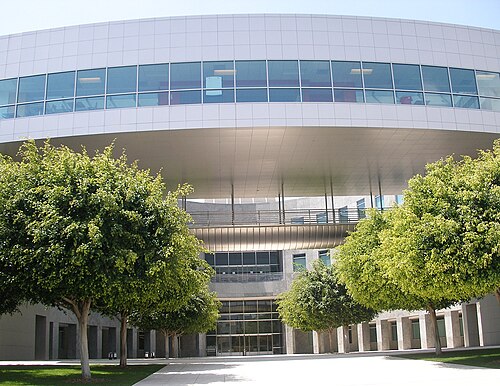
Yet MySpace introduced key digital behaviors: customizable profiles, embedded music players, friend rankings, and early influencer culture.
Musicians used it to build fan bases independently. Direct-to-audience distribution became normalized.
Modern platforms refined the model. MySpace proved it could work at scale.
5. Betamax: The Better Format That Lost
Sony’s Betamax offered superior video quality compared to VHS in the 1970s. Technically, it was strong, but commercially, it lost.
VHS won the format war due to longer recording times, broader licensing agreements, and stronger studio partnerships. By the late 1980s, Betamax had faded.
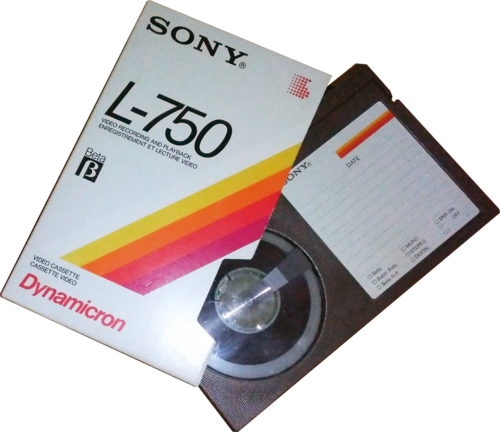
But the competition reshaped intellectual property law and distribution. The 1984 U.S. Supreme Court case Sony Corp. of America v. Universal City Studios ruled that home video recording for personal use was legal.
Latest Tech News
Decode Africa's Digital Transformation
From Startups to Fintech Hubs - We Cover It All.
This decision protected innovation in consumer recording devices and influenced later debates around digital copying.
Betamax lost the market. It helped secure the legal future of media technology.
6. Webvan: The Early Collapse of Online Grocery
During the dot-com boom, Webvan promised grocery delivery at scale. It raised nearly $800 million in funding and built advanced automated warehouses.
The infrastructure costs were enormous. Demand did not match projections. Webvan filed for bankruptcy in 2001.

Years later, companies like Instacart, Amazon Fresh, and regional delivery platforms succeeded with refined logistics models and better internet penetration.

Webvan proved consumer interest existed. It failed in timing, cost structure, and execution. The category it pioneered is now standard in many cities.
7. Windows Phone: A Third Ecosystem That Couldn’t Survive
Microsoft’s Windows Phone aimed to challenge iOS and Android. Its interface was distinctive, and its Integration with Microsoft services was strong.
But developer support lagged. App availability was also limited, and market share shrank steadily until discontinuation.
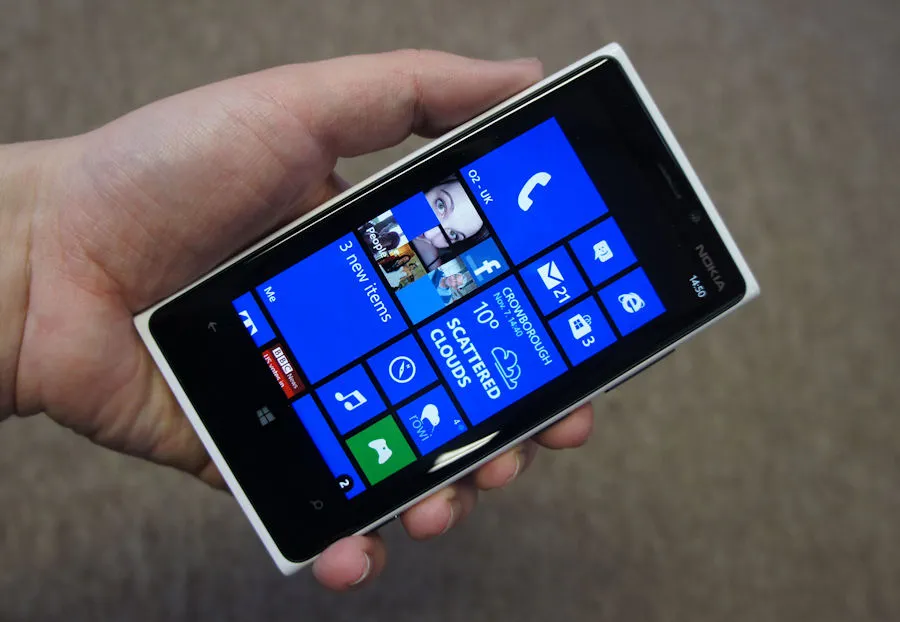
Even so, its tile-based interface influenced design thinking about minimalism and live information displays. More importantly, the failure reinforced the dominance of two mobile ecosystems, shaping how developers prioritize platforms globally.
Not all influence is visible in adoption numbers. Sometimes it reshapes competitive dynamics.
8. The Concorde: Engineering Brilliance, Economic Impossibility
The Concorde supersonic jet reduced transatlantic flight times dramatically. It symbolized technological ambition.
High fuel costs, limited passenger capacity, environmental concerns, and a fatal crash in 2000 contributed to its retirement in 2003.
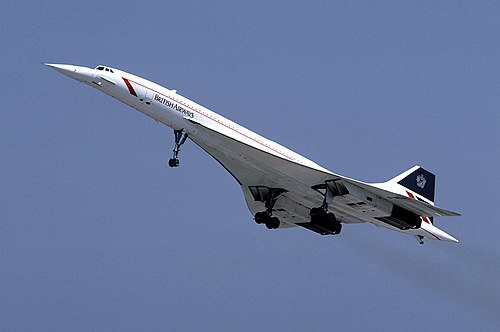
Yet the Concorde redefined aerospace engineering limits and continues to influence current research into sustainable supersonic travel. Several companies are now exploring next-generation supersonic jets.
The Concorde failed economically. It permanently expanded what engineers believed possible.
Why Failure Often Precedes Adoption
Latest Tech News
Decode Africa's Digital Transformation
From Startups to Fintech Hubs - We Cover It All.
Technological ecosystems depend on timing, infrastructure, regulation, and cultural readiness. A device can be visionary yet commercially misaligned.
Three recurring patterns explain these outcomes:
The market is not ready.
Supporting infrastructure is incomplete.
Consumer behavior has not yet evolved.
Failure, in these cases, becomes research and development funded by early adopters and investors.
The first version absorbs the loss, the second version refines it, while the third version dominates.
Market failure measures profitability and adoption. Influence measures conceptual impact.
A failed product can normalize a behavior, introduce a design language, provoke regulatory clarity, or validate a new category. Those shifts ripple outward long after sales stop.
long enough to teach.
In the long arc of technological change, that is often enough.