Taiwan Charges 9 Over Illegal Export of Nvidia AI Servers to China
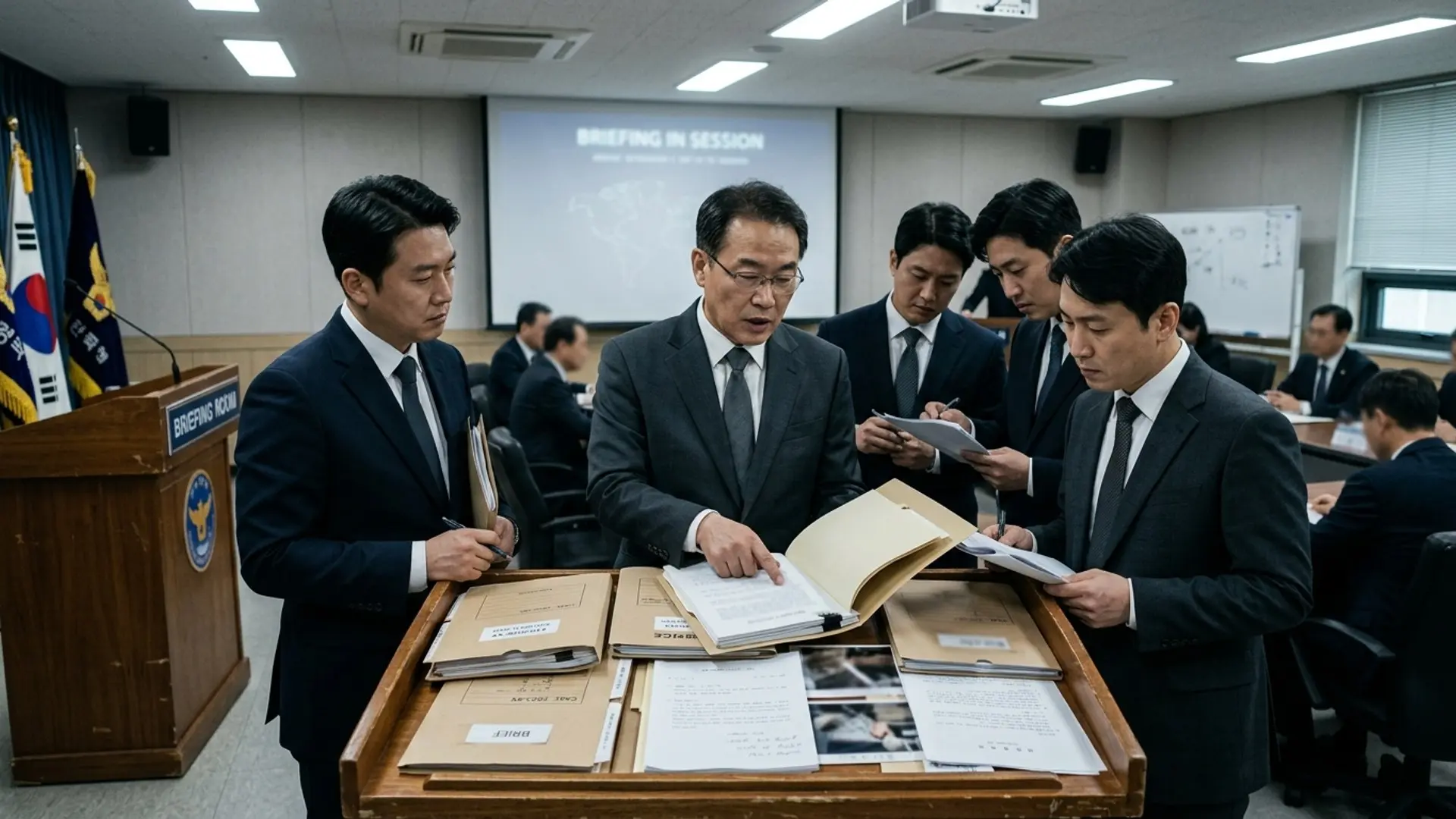
two former Super Micro staff, over the illegal export of 74 high-end AI servers to China.Taiwanese prosecutors have charged nine individuals, including an employee from Nvidia and two former employees from Super Micro, for the illegal export of high-end AI servers to mainland China.
This action adds significant turbulence to the ongoing AI rivalry between China and the United States, as advanced AI infrastructure, particularly semiconductors predominantly manufactured in Taiwan, remains a critical point of competition between the two global powers.
The United States initiated restrictions on Nvidia's exports of advanced chips to China in 2022, tightening these controls in subsequent years. By April 2025, licenses were mandated for the export of Nvidia's H20 chips to China, though some sales were later permitted to resume.
According to a document from the Keelung District Prosecutors’ office, any sale of Nvidia's high-end AI servers like the essential computer infrastructure housing the chips that power AI systems, is subject to a stringent review process under these export controls.
Furthermore, purchases exceeding eight high-end AI servers necessitate on-site checks by company staff at client locations. Prosecutors specifically identified the illegally exported servers as graphics processing units known as “B300,” which are explicitly banned from sale to China.
Among the charged, an Nvidia manager identified only by his family name, Chang, was singled out as the “key figure” responsible for “authorizing the release of the B300 GPUs.” Prosecutors noted his “clearly poor attitude following the offense.”
To evade export restrictions, some defendants allegedly established a company in Japan, which facilitated the successful transfer of eight servers. Others reportedly created fake websites and falsified information to circumvent the controls.
A total of 74 servers successfully reached China through various routes. Fifty of these units were shipped via Indonesia, 16 were delivered directly to China, and eight were first sent to Japan, then Hong Kong, before ultimately arriving in mainland China. Another attempt involving 56 servers, however, failed, and these units currently remain in Taiwan.
In response to the allegations, Nvidia spokesperson Patrick Rutherford stated, “We will work with the Taiwan authorities to help them resolve the allegations as quickly as possible.”
Super Micro, in its statement, confirmed that the arrests of its two former employees stemmed from its cooperation with Taiwanese authorities and affirmed its commitment to “enhance its robust export compliance program to protect American innovation.” Prosecutors are seeking maximum five-year sentences for four of the nine defendants, including Chang.