Suffering for Years: Woman's Battle with Rosacea Ends with Life-Changing Cure
Rebecca Daley shares her 14-year battle with rosacea, detailing the traumatic onset after childbirth, the social challenges, and her journey to finding effective management. Experts shed light on the condition's causes, triggers, and diverse treatment options, including holistic approaches and the importance of sun protection.
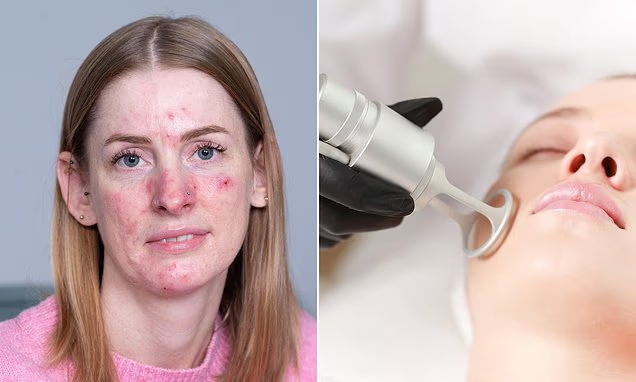
Rebecca Daley, a 39-year-old creative arts support worker from Chorley, Lancashire, has battled rosacea for 14 years, a chronic skin condition that has profoundly shaped her life. The visible symptoms, bright red, irritated, and painful skin, were often accompanied by episodes where her nose would swell to three times its normal size, appearing to glow with redness. These flare-ups caused deep embarrassment and social anxiety. She recalls being taunted with phrases such as “Come guide my sleigh!” around Christmas, mockery that eventually led her to avoid leaving the house altogether.
Rebecca had no history of skin problems until the traumatic birth of her son, Elliot, in 2011. The delivery was extremely distressing: Elliot was breech and stopped breathing, spending two-and-a-half weeks in intensive care. Rebecca believes the overwhelming stress of that experience triggered physical changes in her body. Within weeks, she noticed a strange red rash, accompanied by pustules and cysts spreading across her face. At the time, she dismissed it, prioritising her newborn’s recovery and her own postnatal healing. However, the rash persisted, becoming itchy, painful, and burning, forcing her to seek answers.
Assuming it was a minor issue, Rebecca initially tried over-the-counter creams, acne treatments, and spot gels, but none provided relief. It was only when Elliot turned one that her GP diagnosed her with rosacea, a condition she was shocked to learn was both common and often dismissed with advice to simply “put up with it.” Official estimates indicate that approximately 2.9 million adults in the UK suffer from rosacea.
Dr. Vani Agarwal, a consultant dermatologist and spokesperson for the British Skin Foundation, explains that rosacea typically presents as facial flushing, often caused by persistently dilated blood vessels. It may also include small bumps and pus-filled spots resembling acne. In some cases, it can lead to rhinophyma, an overgrowth of oil-secreting glands on the nose, resulting in significant swelling. In severe cases of giant rhinophyma, nasal airways can become obstructed, causing breathing difficulties. Rosacea can also affect the eyes, leading to dryness, itching, and redness of the eyelids and eye surface.
The condition usually develops between the ages of 30 and 50, and is more common in women and individuals with fairer skin tones. While the exact cause remains unknown, it is believed to result from a combination of genetic and environmental factors. Common triggers include stress, alcohol, exercise, extreme temperatures, spicy foods, and hot drinks. Dr. Derrick Phillips, a consultant dermatologist at OneWelbeck private clinic in London, explains that stress prompts the body to release hormones such as cortisol, which increase inflammation and blood vessel reactivity, a key contributor to rosacea flare-ups.
Hormonal changes during pregnancy can also play a role. Fluctuations in oestrogen and progesterone alter blood flow, increase skin sensitivity, and weaken the skin barrier. Dr. Phillips notes that for individuals with an underlying predisposition, the emotional stress and hormonal changes surrounding pregnancy or childbirth can trigger or worsen rosacea. He adds that people who blush easily — not only from embarrassment but also in response to food or heat — may already have a vascular sensitivity linked to rosacea, as chemical messengers cause blood vessels to dilate and increase blood flow to the skin.
For six years, Rebecca endured ineffective treatments. Prescribed antibiotics and topical creams failed to control her symptoms, while anxiety about her appearance — particularly at her job in a legal firm, intensified her condition. She felt her make-up never fully concealed the redness. Being repeatedly compared to “Rudolph the Red-Nosed Reindeer” severely damaged her self-esteem and made social events unbearable. Emotional stress is a known trigger, supported by a US study from the National Rosacea Society, which found that 62 percent of 544 rosacea patients experienced stress-induced flare-ups at least once a month, while 11 percent reported daily flare-ups.
At 33, Rebecca sought a second opinion and was referred to a dermatologist. She was prescribed Roaccutane, typically used for acne, but it caused severe dryness of her lips and face without improving the redness, prompting her to stop treatment. She attempted to eliminate known triggers such as spicy foods and alcohol but found stress management far more difficult.
In 2019, during a particularly low moment, Rebecca shared a photo of herself on Instagram. The response was overwhelming. Dozens of women reached out, sharing similar experiences and offering support. This moment marked a turning point. She decided there was “no point hiding anymore.” Rebecca launched a personal page documenting her rosacea journey and quickly gained followers who shared stories of being dismissed or misunderstood by medical professionals.
Her growing online presence led to collaborations with skincare brands specialising in rosacea. Through trial and error, she found relief using a serum called Kalme, formulated with caper extract, which she says “instantly calmed and soothed” her skin during flare-ups. She also added a physical sunblock containing zinc to her routine. However, dermatologists stress that treatment effectiveness varies, and no single solution works for everyone.
Dr. Agarwal explains that treatment must be tailored to the specific type of rosacea. Common topical treatments include azelaic acid and ivermectin 1 percent cream, often combined with anti-inflammatory oral antibiotics such as doxycycline, lymecycline, and erythromycin. While effective for bumps and pustules, these medications offer little relief for persistent redness. For visible blood vessels and flushing, Dr. Phillips recommends laser therapies, including resurfacing lasers like CO2 or Er:YAG for rhinophyma, and DermaV laser treatment — available in NHS dermatology and plastic surgery departments — specifically for facial redness.
Dermatologists are increasingly adopting a holistic approach, addressing not only the skin but also the gut microbiome. Dr. Justine Hextall, a consultant dermatologist at the Tarrant Street Clinic, explains that microbial imbalance can fuel inflammation, weaken the skin barrier, and heighten sensitivity to triggers such as sunlight. Management may include probiotics and diets rich in prebiotic foods like leeks, broccoli, apples, and bananas, which support beneficial bacteria that reduce inflammation and strengthen the skin barrier.
Another essential recommendation is year-round sunscreen use. Research shows that up to 85 percent of rosacea patients experience sun sensitivity. Dr. Agarwal strongly advises daily use of a broad-spectrum SPF 30 or SPF 50, even during winter, to reduce flare-ups and protect the skin.
Today, Rebecca has largely regained her confidence. Her rosacea is mostly under control, her nose has returned to a normal size, and she now competes in bodybuilding contests — something she says she “never would have dreamed of doing a few years ago.” Although there is no cure, she has learned to live fully with the condition, embracing herself “Rudolph or not,” while offering guidance and hope to others facing the same struggle.