Sudan's Quiet Return: Foreign Investors Are Bets on a Nation in Conflict.
While the civil war in Sudan peaks, silent investors are increasingly making not-so-subtle moves in the economic sector of the country.
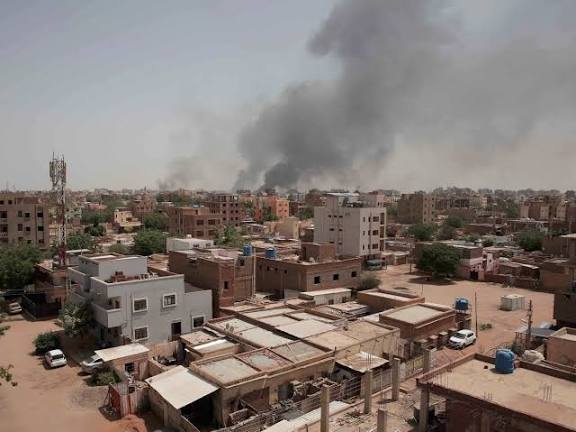
Khartoum's skyline is smoke, not suits. While the global headlines track the desperate, bloody war between the Sudanese Armed Forces (SAF) and the Rapid Support Forces (RSF), a far less visible drama is unfolding in Ankara, Doha, and Dubai boardrooms.
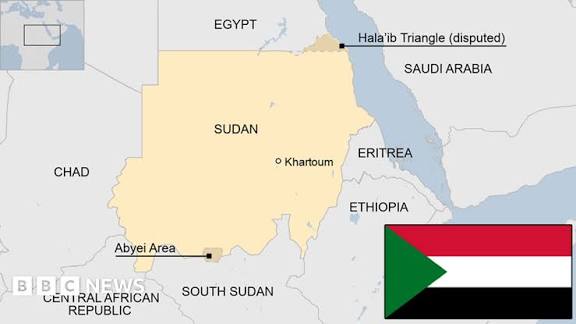
This is the paradox of modern Sudan: a nation devastated by civil war, yet today the sudden target of robust, strategic foreign investment. The heavy hitters from Turkey, Qatar, and the wider Gulf bloc aren't waiting for the cease-fire; they're moving now, to Sudan's vast economic potential.
Is this investment a reckless wager against chaos, or the first solid step on Sudan's fraught, long journey to redemption?
The Investment Spark; Turkey's Growing Role.
Turkish aspiration in Sudan is plain to see and entrenched. Ankara investors have been quietly building their footprint in agriculture, textiles, and infrastructure.
It is not only private enterprise; it is buttressed by government-level alliances. Recent trade delegations and bilateral talks demonstrate Turkey's unapologetic faith in Sudan's long-term potential, as a sure bet partner.
As one Turkish official encapsulated in paraphrased words, "The short-term difficulties in Sudan must not divert us from its long-term promise as a strategic partner." The case for the leading magnet is compelling: Turkey desires secure, long-term access to Sudan's massively fertile land– a strategic hedge on its own food security– and a solid anchor on the important Red Sea commerce route.
The Gulf Connection; Qatar and the New Economic Alliance
Qatar and the Gulf neighbors are busy reshaping their economic future, and Sudan is an ideal candidate in this post-petroleum vision. The latest entry of a new Gulf–Africa economic partner with Sudan as a member is more of a strategic alliance than a diplomatic gesture.
The ambitions are grand: increasing commerce, enhancing food security, enhancing exchange of technologies, and driving industrial cooperation.
For Abu Dhabi and Doha, Sudan is a two-edged sword: it's a powerful bridgehead to African markets and a giant, necessary agricultural
source. The foray into Sudan is part of the overall Gulf policy of diversifying away from hydrocarbons, turning petrodollars into agricultural wealth and regional influence.
Reforms on the Horizon; Legal & Structural Shifts.
As war continues to rage, the wheels of reform in Sudan grind through bureaucracy. Legislators are legislating investment laws aggressively, trying to simplify and secure capital movement.
Tax reform, land use regulation simplification, and more focus on public–private partnerships are among these efforts. These steps are directly related to the rebuilding of investor confidence and the laying of the foundations for a healthy post-war economy.
They are a heroic, dreamlike disconnect: while drones and air raids hit neighborhoods in Khartoum, high-ranking bureaucrats are hard at work trying to reanimate the Sudan Vision 2030; a vision rooted on inclusive and sustainable development.

The Promise Beneath the Soil– Why Sudan Remains Attractive to Capital
Capital doesn't chase hope, however, it chases value. Sudan's attractiveness is due to self-evident natural advantages. In addition to fertile soil, the nation boasts vast, yet untouched, gold and mineral wealth
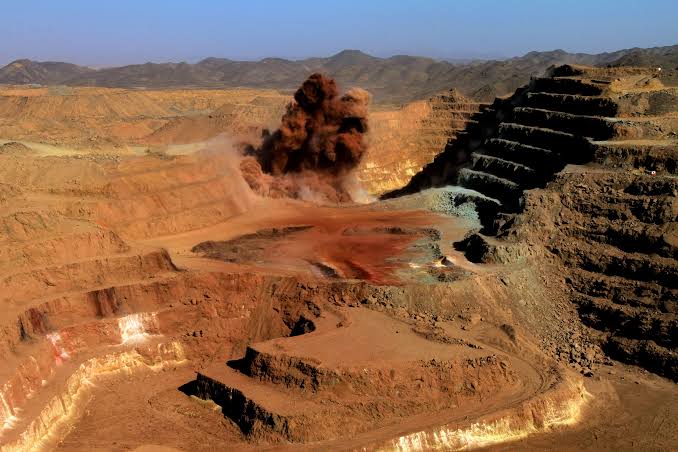
.
Its prime Red Sea location places it at the intersection of international trade. A rapidly expanding, young populace eager for employment and chance is added to this. All these considerations combined, professional opinion says, qualify Sudan as an "untapped market," where current risk could translate into untold future gain.
This potential is also borne out by a muted wave of diaspora investment interest and private initiatives coming together even at the height of the turmoil.
The Risks Investors Can't Ignore
Gulf and Turkish optimism is always accompanied by a brutal reality. The political volatility per se is the largest elephant in the room. Widespread corruption, endemic logistics problems, and the ever-looming specter of international sanctions make any foreign initiative a minefield.
The war not only threatens to take lives but continues actively to dismantle the very physical and supply chain infrastructure that underpins sound investment. The contrast between the quarterly report of the investor and the everyday life of a Sudanese citizen, exposed to inflation, displacement, and violence, is a moral and commercial tightrope for all of the involved companies.
What This Means for Africa's Economic Map
Sudan’s story isn't an isolated anomaly; it’s part of a wider, often overlooked trend of resilient investment across the continent. Investors are increasingly looking beyond immediate crisis and betting on the long-term fundamentals of conflict or post-crisis African states.
We’ve seen similar movements, though distinct, in places like Somalia, Ethiopia, and even the challenging terrain of Libya. This new trend means that for the majority of foreign players, waiting forever for perfect stability is finally over.
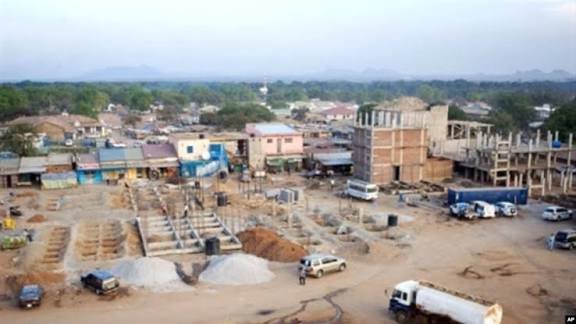
This subtle injection of capital may be more than just surviving– it may be the genuine, tough beginning of Sudan's needed economic reboot.
Betting on Hope.
Investment in its purest form is a tough-minded weighing of risk against reward. But in Sudan, it is something more than spreadsheets. It does not forget the war memory, but signing an agreement in Doha or bringing goods into an opened airport is a profound vote for the future.
It's one single statement that Sudan has a narrative other than the battlefield. Spending every dollar, launching every trade mission, is a choice to invest in building the country's foundation, not clogging up the ruins on the news. In a country hard-pressed to stay alive, every dollar spent is also a vote for peace.