Subsidy Showdown: Eradiri Challenges Atiku, Demands Tinubu Revamp Refineries
Engr. Udengs Eradiri urges President Bola Ahmed Tinubu to pivot economic reform strategy, advocating for fuel subsidy savings to be invested in rehabilitating refineries and empowering local governments. He rejects the return of fuel subsidies, blaming state governors for impeding reforms by frustrating local government autonomy.
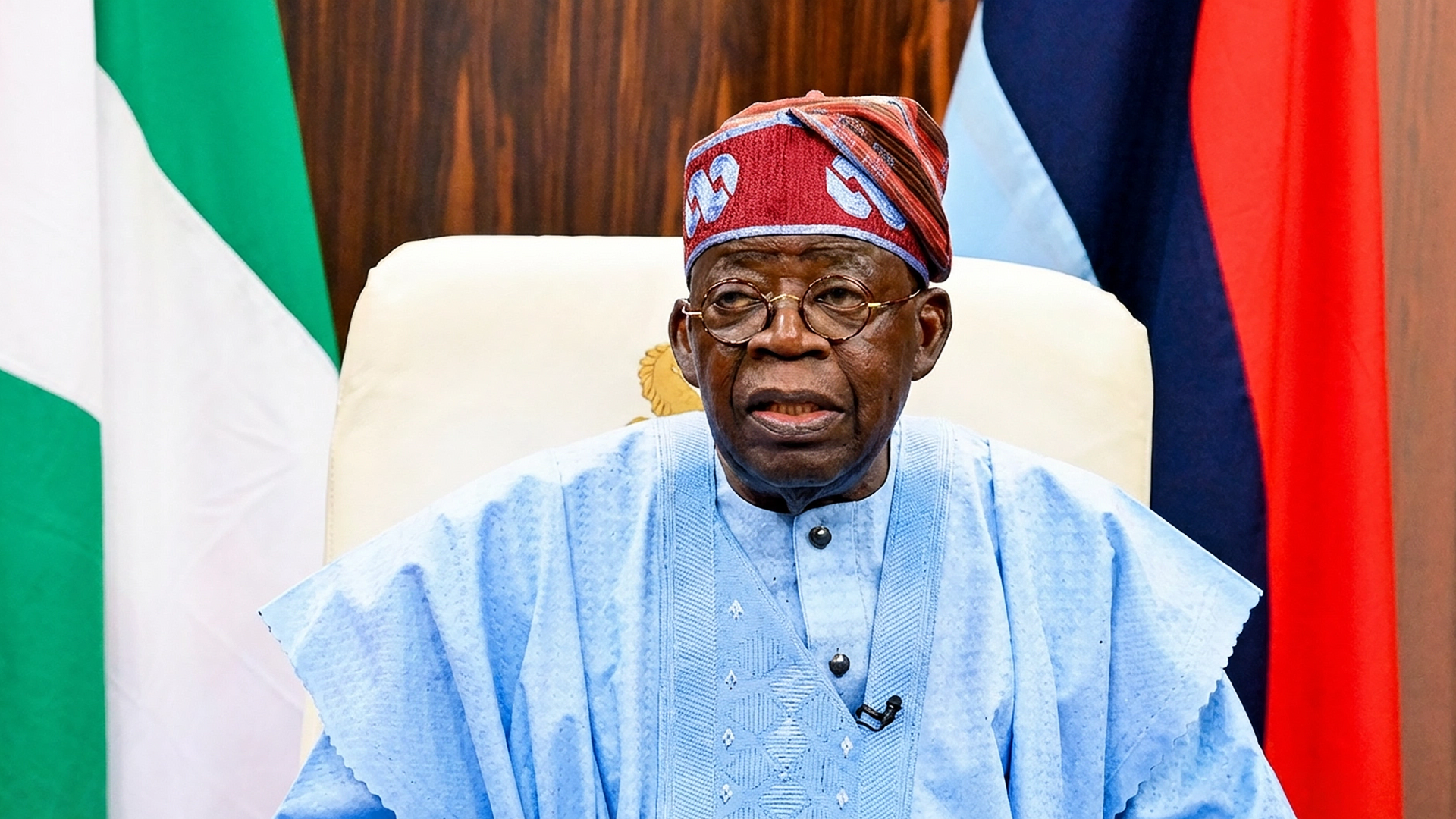
The former president of the Ijaw Youth Council (IYC), Engr. Udengs Eradiri has called upon President Bola Ahmed Tinubu to revise his approach to implementing economic reforms.
Eradiri advocates for a strategy shift, urging the President to channel the savings accrued from the removal of fuel subsidies into two primary areas: the comprehensive rehabilitation of Nigeria’s refineries and the substantial strengthening of local government autonomy across the nation.
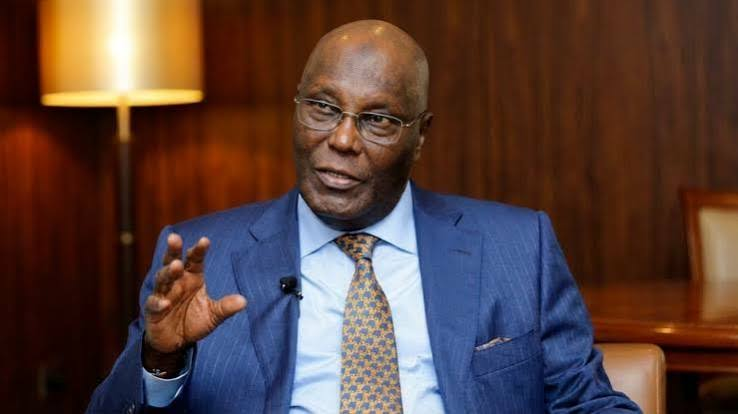
This proposal comes as a direct counter to former Vice-President Atiku Abubakar’s suggestion for the reintroduction of fuel subsidy, which Eradiri firmly rejected, arguing that the original subsidy regime failed to deliver its intended benefits to the Nigerian populace.
Eradiri articulated his disagreement with the proposal to reinstate fuel subsidies, stating that the initial objective of providing relief to citizens was never truly achieved.
He emphasized that instead of reverting to a failed system, the federal government should meticulously deploy the significant resources saved from subsidy removal into projects and initiatives that are guaranteed to directly alleviate the cost of living and enhance the overall welfare of Nigerian citizens.
His conviction is rooted in the belief that the subsidy, in its previous form, did not genuinely bring succour to the people it was meant to serve.
A crucial aspect of Eradiri's revised strategy centers on the immediate priority of fully operationalizing all government-owned refineries. He strongly contends that achieving full capacity in domestic fuel production would inevitably lead to a reduction in petrol prices.
This decrease, he believes, would then create a positive ripple effect, triggering a broader reduction in the cost of various goods and services throughout the economy, thereby benefiting the common man.
To expedite this, Eradiri urged the President to direct the Petroleum Minister to relocate to the refinery sites, establish clear timeframes for their functionality, and even suggested the creation of a dedicated Ministry of Refineries to ensure singular focus and overcome obstacles hindering their development and growth.
Beyond refinery rehabilitation, Eradiri also identified state governors as significant impediments to the successful realization of the ongoing economic reforms.
He specifically pointed to their alleged refusal to implement the Supreme Court judgment that affirmed the autonomy of local governments.
According to Eradiri, this non-compliance by the majority of governors effectively frustrates the potential gains of the President's economic initiatives, preventing resources and development from reaching the grassroots level where they are most needed.
To rectify this, the former commissioner for youths and environment called on the federal government to undertake decisive measures to ensure that local governments operate as a truly independent tier of government.
A key recommendation was to ensure that financial allocations designated for local councils are disbursed directly to them, circumventing state control. Furthermore, Eradiri proposed that the Independent National Electoral Commission (INEC) should be responsible for conducting local government elections.
His rationale is that this would significantly bolster the independence of these councils and effectively prevent state governors from unduly influencing or controlling elected council chairmen, thereby fostering genuine local governance.
Eradiri further urged the Presidency to develop a robust framework designed to guide local governments on the most effective deployment of their allocations. He stressed that these funds should be strategically utilized for projects with a direct and tangible impact on the populace, such as the construction of community roads, farm roads, and other essential basic infrastructure.
Such investments, he argued, are critical for improving livelihoods and fostering development at the grassroots level, ensuring that federal efforts translate into tangible improvements for ordinary citizens.
Concluding his appeal, Eradiri highlighted the increasing frustration stemming from the continued allowance of governors to control funds meant for local governments.
He alleged that many governors obstruct the flow of these monies to the local level due to their ability to control council chairmen through state-conducted elections and allocation sharing practices.

He lamented that despite the federal government injecting substantial resources into the states, there is a visible lack of corresponding improvement in the living conditions of citizens.
Eradiri firmly stated that the President's diligent efforts risk being sabotaged by the "incompetence and greed of the governors," underscoring his belief that the current strategy is unsustainable and "must change."