Cancel Culture: Accountability or Public Bullying?
Cancel Culture: Accountability or Digital Bullying? What began as a tool for justice has spiralled into public shaming and moral spectacle. This essay unpacks the roots of cancel culture, its dangers, and its potential for reform. It explores the fine line between accountability and cruelty, urging a shift toward restorative justice, growth-based activism, and true repair. In a world obsessed with outrage, maybe it’s time to cancel cancellation—and build something better.
Introduction: The Culture of Calling Out
From hashtags and social takedowns to public callouts and screenshots, cancel culture has become a defining force in the digital age. What began as a way for marginalised people to hold the powerful accountable has spiraled into a storm of controversies, careers lost, and reputations destroyed.
The term “cancel culture” implies a kind of social exile—someone says or does something problematic (whether last night or ten years ago), and the internet collectively decides: they’re done.
Cancelled. Boycotted. Silenced.
At its core, cancel culture was born from good intentions: to seek justice where institutions have failed, to amplify the silenced, and to demand consequences where there were previously none. But somewhere along the line, it became murky. The line between accountability and mob justice started to blur.
In a world full of deep inequality and historical silence, we must ask:
Is cancel culture the only tool we have left—or has it become another form of oppression in itself?
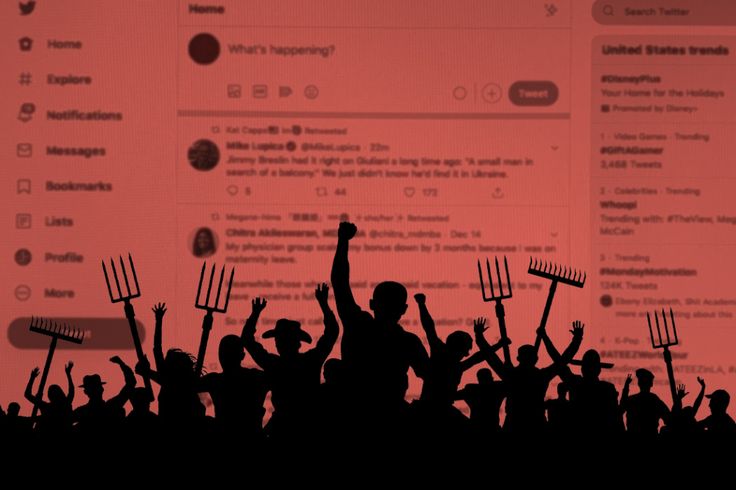
image credit: pinterest
The Power in Public Accountability
Let’s begin with what cancel culture tries to do right.
In societies where courts dismiss cases, leaders evade responsibility, and oppressors continue to thrive, public accountability becomes a form of resistance.
Movements like #MeToo and #BlackLivesMattergained traction not through polite petitions—but through the loud, urgent exposure of harm.
In these cases, “cancelling” was never about ego or revenge. It was about visibility, naming violence, and demanding change. Survivors who had once been shamed into silence found solidarity in numbers. Harm that had once been swept under institutional rugs was finally laid bare.
Cancel culture gave the powerless a voice when no one else would listen.
Social Insight
Navigate the Rhythms of African Communities
Bold Conversations. Real Impact. True Narratives.
But When Does It Cross the Line?
The problem with cancel culture lies not in its existence—but in its execution.
Social media is not a court of law. It doesn’t examine facts in full context. It doesn’t weigh intention, allow a proper defence, or prioritise healing. It amplifies outrage and rewards spectacle.
In many cases, people are “cancelled” not for systemic abuse, but for:

Tweets from adolescence
Poorly phrased jokes
Opinions that deviate from the popular discourse
Guilt by association
There’s often no path to redemption—just exile.
One screenshot becomes a life sentence.
Accountability is supposed to be about justice—not destruction.
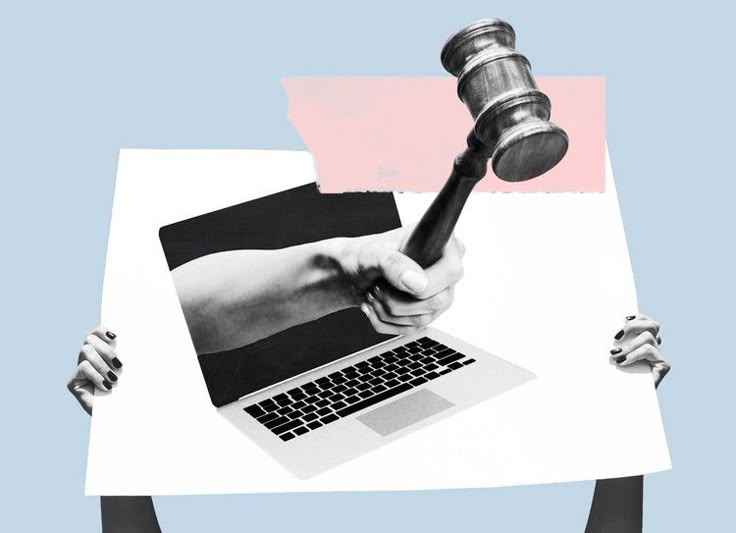
image credit: pinterest
Accountability vs. Bullying
Social Insight
Navigate the Rhythms of African Communities
Bold Conversations. Real Impact. True Narratives.
To understand the difference between accountability and bullying, we need to define what each looks like:
Accountability:
Identifies the harm
Allows the individual space to understand, reflect, and respond
Focuses on change, growth, and repair
Centers the harmed—not the mob
Bullying:
Is loud and relentless
Demands punishment without process
Shames rather than educates
Often becomes more about performative morality than genuine justice
Accountability gives room for growth. Bullying makes sure you never grow again.
The Role of Social Media
Social media is both the judge and the executioner.
It compresses complex stories into character counts. It removes tone and context. And because it thrives on engagement, the more emotional or outraged a post, the more visibility it gains.
Social Insight
Navigate the Rhythms of African Communities
Bold Conversations. Real Impact. True Narratives.
This creates a space where:
People compete to be the most “woke”
Call-outs become content
Morality is gamified
People become more interested in being right publicly than in doing right privately.
On the internet, justice often takes the shape of humiliation—not healing.
Who Gets Cancelled—and Who Doesn’t
An ugly truth: not everyone is cancelled equally.
Public figures with wealth, influence, or power often rebound from cancellation. They issue PR statements, lie low for a while, and return with new deals. In some cases, cancellation even increases their popularity among “anti-woke” audiences.
Meanwhile, marginalised voices—Black women, activists, or small creators—can be obliterated for far less.
They lack the resources to bounce back. Their careers end. Their mental health deteriorates. They face death threats, doxxing, and depression.
Cancel culture claims to protect the marginalised, but too often it crushes them.
The Case for a Better Approach
Cancel culture could be reimagined as something more meaningful. Something rooted in restorative justice, not digital rage.
Let’s consider these alternatives:
Social Insight
Navigate the Rhythms of African Communities
Bold Conversations. Real Impact. True Narratives.
1. Call-In Culture
Instead of public exposure, this approach encourages private, compassionate conversations—especially when the harm caused was due to ignorance rather than malice.
It’s not about shielding abusers. It’s about knowing when a quiet correction does more good than a public takedown.
2. Restorative Accountability
This approach asks:
What harm was done?
What needs to happen to make it right?
How can we ensure this doesn’t happen again?
It gives both the harmed and the responsible a seat at the table. It focuses on repair, not revenge.
3. Growth-Based Activism
This involves:
Allowing people to learn publicly
Accepting genuine apologies
Tracking how someone changes over time—not just what they did in a moment
We must believe that people can change. Otherwise, what’s the point of calling them in at all?
Social Insight
Navigate the Rhythms of African Communities
Bold Conversations. Real Impact. True Narratives.
The Psychology Behind the Mob
Why does cancelling feel so good to some people?
Because it gives a sense of moral superiority.
Because it feeds the ego.
Because it's easier to judge someone else than to reflect on our own biases.
But it’s important to ask:
Am I holding this person accountable, or am I feeding my own righteousness?
Am I creating space for change, or just punishing someone I disagree with?
We must not confuse outrage with action—or shame with justice.
Real-World Impact: What Happens After “Cancelled”?
Some people truly deserve to lose platforms—especially if they are:
Unrepentant
Repeatedly abusive
Dangerous to others
But what about those who:
Social Insight
Navigate the Rhythms of African Communities
Bold Conversations. Real Impact. True Narratives.
Apologise sincerely?
Educate themselves?
Take real steps to change?
If we cancel everyone, we risk discouraging accountability altogether. Why apologise if you’ll never be forgiven? Why change if you're already labelled?
The goal shouldn’t be to cancel. It should be to course-correct.
Conclusion: Evolve the Culture, Don’t Erase It
So, is cancel culture accountability or public bullying?
The answer: It can be either.
When used responsibly, it shines a light on harm, centres victims, and demands change.
When abused, it becomes digital bloodsport—a form of groupthink, weaponised outrage, and endless cycles of shame.
We must return to the why behind accountability:
To stop cycles of harm
To build better communities
To hold power in check
To invite learning, not just loss
Social Insight
Navigate the Rhythms of African Communities
Bold Conversations. Real Impact. True Narratives.
We can no longer afford to throw people away.
We need a justice that builds, not just burns.
Final Words
We are all human. We are all flawed. And if the internet has taught us anything, it’s that everyone’s mistake will eventually come to light.
So when it does, how will we respond?
With punishment—or with possibility?
With erasure—or with evolution?
Let’s not cancel the idea of accountability.
Let’s just make it kinder, deeper, and better.
Let’s not cancel the idea of accountability.
Let’s just make it kinder, deeper, and better.