Should Nigeria Decriminalise Cannabis? Lessons From Countries That Changed Their Laws
Nigeria is considering a drug law overhaul that could affect cannabis users. What can Portugal, South Africa, Canada and Uruguay teach Nigeria about decriminalisation?
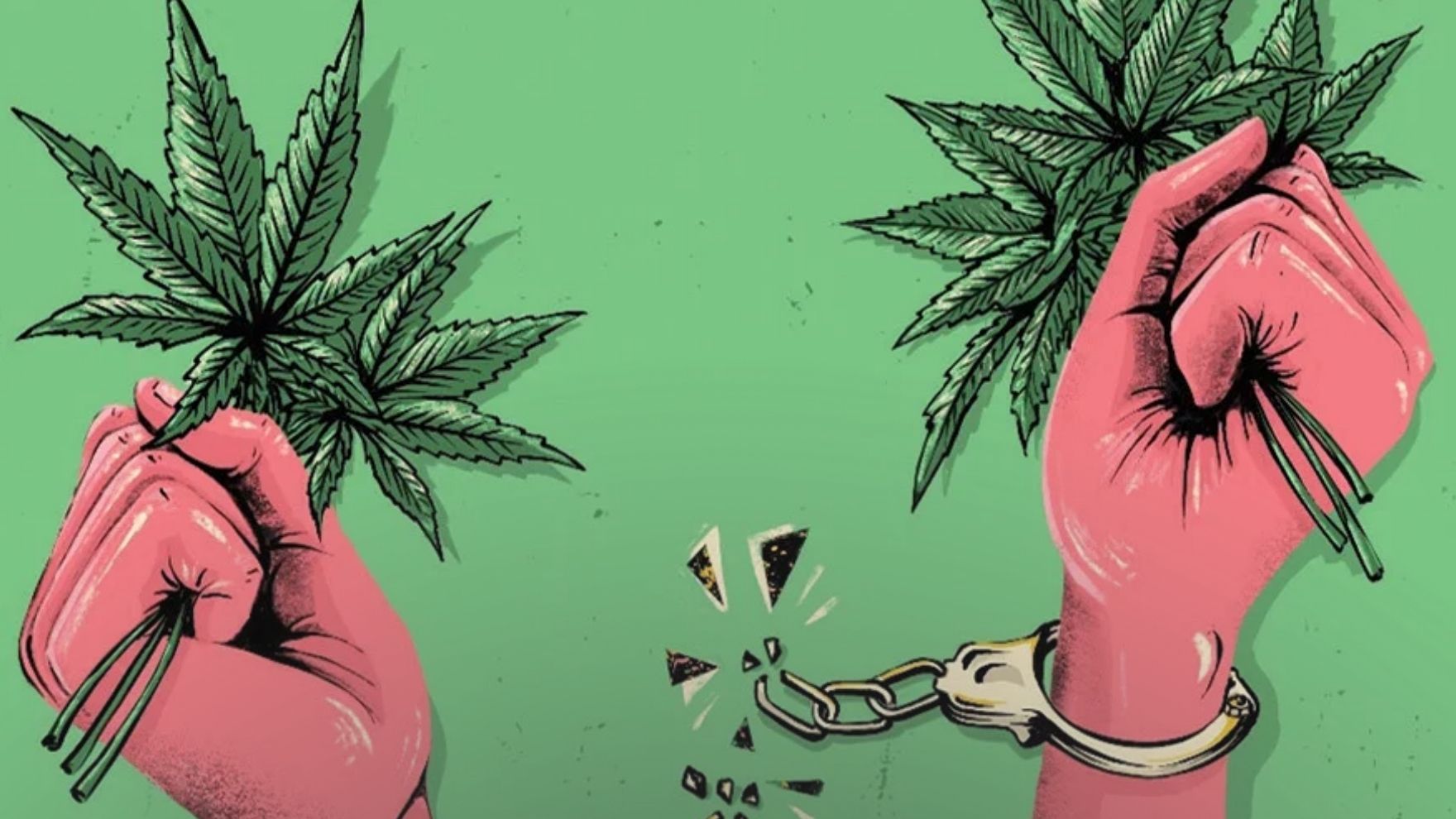
The Nigerian president, Bola Tinubu, has requested the Senate scrap the Indian Hemp Act, the decades-old law that governs cannabis in Nigeria. If that leads to its decriminalisation or only tightens enforcement, we are yet to know.
However, there are questions Nigerians should be asking now, and most of it should be directed at what the possible outcomes of a decriminalisation could be.

What Is the NDLEA Bill 2026 About?
On October 13, 2026, President Tinubu sent the National Drug Law Enforcement Agency (NDLEA) Bill 2026 to the Senate and asked lawmakers to consider it quickly.
The bill would repeal two laws at once: the NDLEA Act and the Indian Hemp Act. These acts are both part of the 2004 Laws of the Federation. In their place, it proposes a single consolidated law covering the cultivation, processing, sale, trafficking and use of illicit drugs.
It would also strengthen the agency’s power to investigate people suspected of drug offences. Senate President Godswill Akpabio has referred it to the Committee on Rules and Business.
This is not a first attempt. In June 2025, Tinubu declined assent to an earlier NDLEA amendment bill because it would have let the agency keep part of the proceeds of drug crimes, which conflicts with Section 58(4) of the Constitution. This time, there would be a full rewrite.
However, public reports do not say whether the new bill softens penalties for cannabis possession, keeps them, or treats cannabis differently from hard drugs. It is important to note that repealing the Indian Hemp Act is not the same as decriminalising cannabis.
Cannabis Decriminalisation vs Legalisation
Decriminalisation removes criminal punishment for possessing small amounts, usually replacing jail with fines, warnings or treatment referrals. Selling still stays illegal.
Legalisation goes further and creates a regulated market where adults can buy, grow and sell under licence. Nigeria currently has neither, so cannabis users can be arrested and jailed.
Four countries have tried different versions of these approaches, and what happened shows what Nigeria could gain and what it should watch out for.
Portugal: Decriminalisation With a Health-First Approach
Portugal decriminalised personal possessionof all drugs in 2001, cannabis included. Someone caught with roughly a ten-day supply is sent to a panel of health, legal and social workers. Trafficking is still a crime.
The advantages of this approach were evident. Drug-related HIV infections and overdose deaths dropped sharply, and more people entered treatment because they no longer feared arrest.
The major disadvantage is that the model depends on funding. When health and social budgets were squeezed, the panels and treatment services struggled.
For Nigeria, where rehabilitation centres are scarce, such a model will be a struggle to maintain.

South Africa: Private Cannabis Use Decriminalised
In 2018, South Africa’s Constitutional Court ruled that adults can use, possess and grow cannabis in private. The ruling rested on the right to privacy, and it ended arrests for what people do in their own homes.
The weakness is that selling remains illegal. There is no lawful way to buy cannabis, so supply stays with illicit dealers.
Police and citizens also disagree on what counts as “private” or a “small amount”, which creates confusion on the street. Nigeria could copy the clarity of the ruling.
Canada: Cannabis Legalisation and a Regulated Market
Canada legalised recreational cannabis nationwide in 2018 underthe Cannabis Act. Adults buy from licensed retailers, and the government taxes and tests the products.
Thousands of possession cases that fell hardest on Black and Indigenous communities stopped, and people with past possession records can apply for pardons. Legal sales also bring in tax revenue.
However, there are disadvantages. The illegal market did not disappear, doctors worry about high-potency products, and impaired driving remains a concern.
Legalisation only works when regulators can enforce it, which is a big burden for any country with weak institutions.
Uruguay: State-Controlled Cannabis Legalisation
Uruguay became the first country to legalise the whole cannabis chainnationally, passing its law in 2013. Pharmacy sales started in 2017.
Registered adults can grow a small number of plants, join a cannabis club or buy from pharmacies.
The state controls quality and price, and the aim was to weaken traffickers. The results are mixed. Only registered residents can take part, some users avoid joining a government list, and illegal sales continue.
What Cannabis Decriminalisation Could Mean for Nigerians
Decriminalisation would mean fewer arrests of young people. A cannabis conviction can wreck a young person’s job prospects.
As of January 2025, 14.3 million Nigerians aged 15 to 64 used drugs, about 10.6 million of them cannabis users. The current law would touch a huge number of people.
It would also ease pressure on courts and prisons, and allow resources shift towards trafficking and the harder drugs, like tramadol and codeine syrup, that worry Nigerian health workers more.
Users who fear arrest rarely ask for help, so treatment instead of punishment could reach people who currently stay hidden. Cannabis is also already grown locally, and a regulated route could support medical and agricultural uses.
The risks still exist. Heavy use is linked to mental health problems, including psychosis, and young people are the most exposed.
Decriminalisation could lead to greater youth access and normalisation. Nigeria also has too few rehabilitation and mental health services to absorb more people seeking help.
If police are left to decide what counts as a small amount, that discretion invites bribery. Impaired driving is another concern, since Nigerian roads are already dangerous and testing capacity is limited.
Should Nigeria Decriminalise Cannabis?
The evidence from these four countries points to the fact that the law matters less than what surrounds it.
Portugal worked because treatment was funded. South Africa shows what happens when reform stops halfway. Canada and Uruguay show that legalisation needs regulators who can do the job.
For Nigeria, decriminalising possession of small amounts, with clear quantity limits, funded treatment and public education, is a more realistic path than full legalisation.
Without those pieces, decriminalisation only moves the problem somewhere else. As the NDLEA Bill 2026 moves through the Senate, the question to watch is whether it does anything for users who need help, or only for those it wants to punish.