Separating the Art from the Artist: How Much Is Too Much?
Can audiences truly separate a creator’s art from their personal controversies? This article explores the history, ethics, and emotional weight behind the “art vs. artist” debate — from Caravaggio to cancel culture.
credit: google
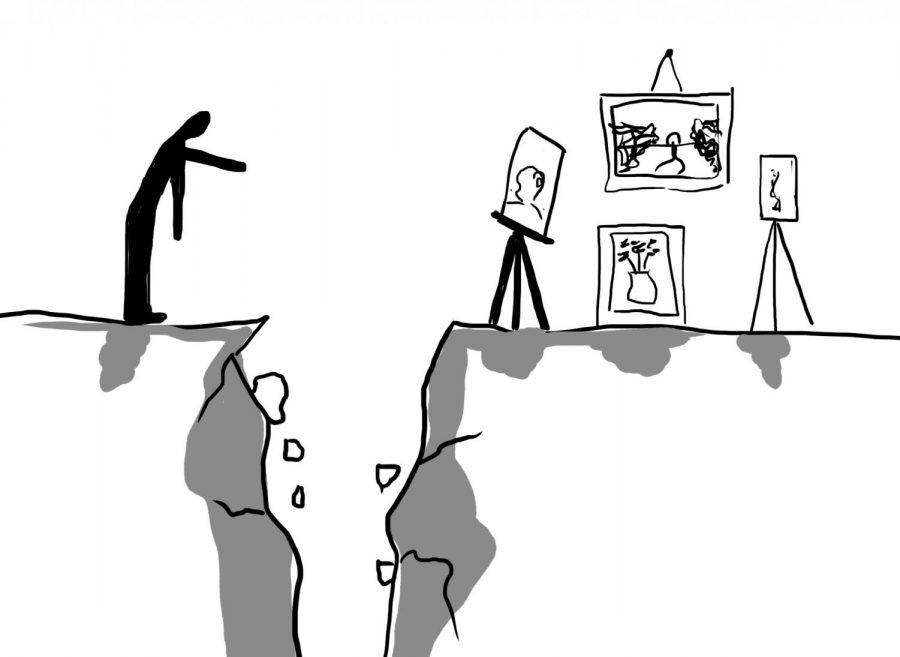
Every few months, social media throws us back into a familiar argument: Can we still enjoy art made by a problematic artist? It is a question that resurfaces every time a celebrity’s private life makes the headlines.
When new evidence emerges against a musician we idolise, or a filmmaker we adore is accused of abuse, we suddenly face a moral tug-of-war between admiration and accountability.
This conversation has no expiration date because it strikes at something deeply human. Our relationship with beauty, morality, and memory is crucial.
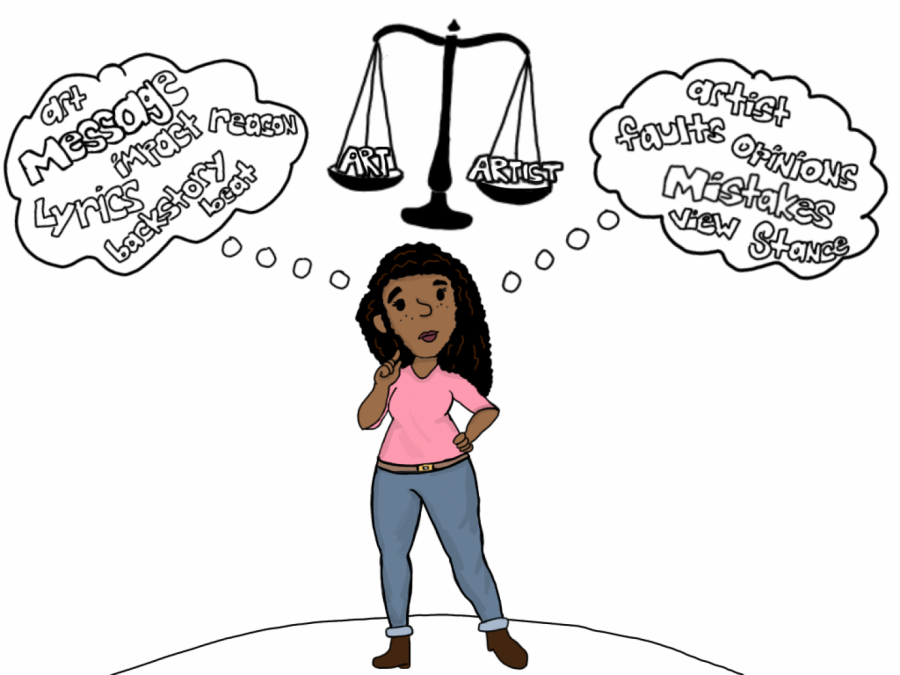
We want to believe that art is bigger than the person who made it. Yet, the more we learn about our favourite creators, the harder that belief becomes to sustain. So we must ask: when separating the art from the artist, how far can the audience really go and how far should they?
The Age-Old Debate Wearing Modern Clothes
The question may sound modern, but it is not new. Philosophers have debated it for centuries. Plato, in The Republic, warned that art could corrupt the mind because it reflects not truth, but the flawed character of its maker.
Renaissance painter, Caravaggio, despite being a genius with light and shadow, was also a murderer. His paintings hang in some of the world’s most prestigious galleries today.
History is full of examples like him. The writer, Charles Dickens was reportedly cruel to his wife and Pablo Picasso’s brilliance didn’t erase his misogyny.
Richard Wagner, whose operas are celebrated for their grandeur, was also infamously anti-Semitic. The tension between admiration and moral disgust is as old as art itself.
But the modern era has turned that tension into a public spectacle. With social media, news spreads instantly, and moral judgment moves faster than ever.
One tweet can destroy a reputation. In this era of “cancel culture,” art and artist no longer exist in separate rooms. They, in fact, share the same courtroom, and the audience sits as judge and jury.
The Argument for Separation: Art Belongs to the People
Those who believe art can be separated from its creator argue that once a work is released, it takes on a life of its own. The artist may shape it, but the audience gives it meaning.
This idea finds theoretical backing in Roland Barthes’ 1967 essay, The Death of the Author. Barthes argues that the creator’s intentions and biography should not limit interpretation. Once the art is released, the reader, viewer, or listener becomes the new author.
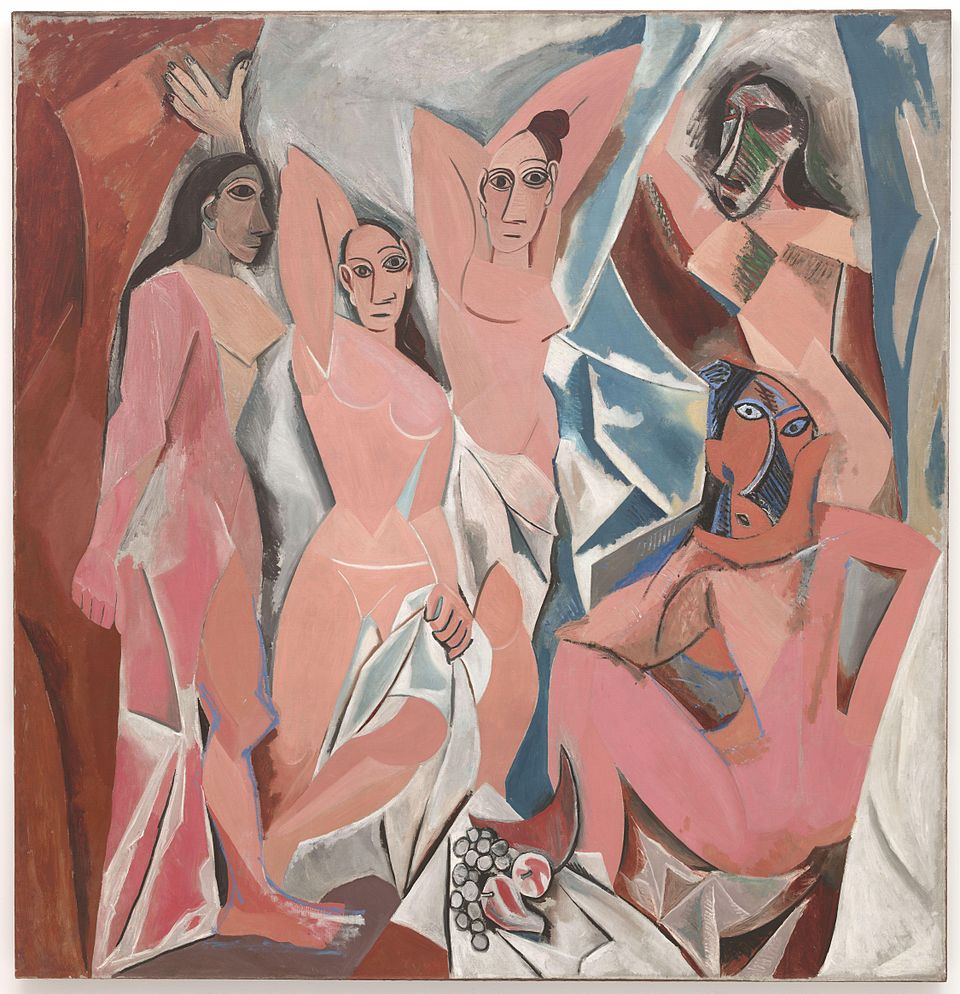
In this view, art transcends the moral flaws of its maker. Picasso’s personal life does not diminish the revolutionary nature of Les Demoiselles d’Avignon.
There is also a psychological reason people cling to this separation: art is personal. It becomes part of our memories, identities, and emotions.

A song might have carried you through heartbreak. A movie might remind you of your childhood. To discard those moments because of the artist’s sins feels like throwing away a part of yourself.
Moreover, some argue that if we stopped consuming every piece of art made by flawed people, there would be little left. Human imperfection is universal.
As novelist Salman Rushdie once said, “To be a writer, one must be a little mad, a little ill.” Artists, in all their contradictions, create because they feel deeply and that often includes their flaws.
So, should we never read Harry Potter again because J.K. Rowling’s tweets offended millions? Supporters of separation say no. They believe art’s beauty, once born, belongs to everyone, even if its creator doesn’t deserve it.
The Argument Against Separation: Art Is Never Innocent
There is also a crucial truth and that is art is never created in a vacuum. It often reflects the beliefs, values, and ideologies of the artist. To consume art uncritically is, in some ways, to accept the worldview that birthed it.
Take R. Kelly’s I Believe I Can Fly. Once an anthem of hope, it now rings disturbingly hollow after the revelations of his sexual abuse. Or Woody Allen’s films, once beloved for their wit, now carry a shadow difficult to ignore.
Similarly, Kevin Spacey’s performances, however brilliant, feel unsettling after his misconduct allegations.
For many, enjoying such art feels like complicity, like a silent endorsement of the artist’s actions. There is a practical dimension too.
Consuming their work generates revenue, sustains their fame, and grants them continued cultural relevance. Every stream, every ticket, every purchase can indirectly fund people who have caused harm.
This view insists that art and artist are intertwined and not because we want them to be, but because they are. Art is an extension of the artist’s psyche.
Their worldview seeps through every brushstroke, lyric, or sentence. When that worldview is toxic, it contaminates the art itself.
And there is the emotional side of it. Once you know the truth, can you truly un-know it? Can you hum along to R. Kelly or watch The Cosby Show without feeling a sense of betrayal?
For many audiences, the answer is no and that emotional reality makes separation not just difficult, but impossible.
The Middle Ground: Critical Consumption and Context
Between total boycott and blind indulgence lies a more balanced angle and that is what cultural critics call critical consumption. It is the act of engaging with art consciously, acknowledging both its value and its baggage.
This approach does not excuse artists. It, in fact, interrogates them, indirectly asking the audience to consume with awareness. Museums can exhibit controversial works while providing historical context.
Teachers can assign problematic authors while discussing their flaws openly. Viewers can still watch or read while refusing to glorify the creator.
Critical consumption recognizes that art can serve as both inspiration and warning. We can admire artistic brilliance while confronting the moral rot that sometimes fuels it. In fact, engaging critically might be the most ethical way to appreciate art, by refusing to erase the tension between beauty and brokenness.
The film industry, for example, has started embracing this balance. Many streaming platforms now add disclaimers to older films that contain outdated or offensive depictions.
The goal is not to erase history but to frame it honestly. Similarly, fans can appreciate a song’s artistry while refusing to support the artist financially.
In other words, we can separate appreciation from endorsement. We can hold two truths at once: that art can be powerful, and its creator deeply flawed.
So, How Much Is Too Much?
There is no universal rule for where the line should be drawn. Some people can separate art from the artist with ease; others cannot and both are valid. Context matters.
The severity of the artist’s actions, the nature of their art, and the audience’s personal ethics all shape the decision. But what’s dangerous is pretending the line doesn’t exist.
When we say “art is just art,” we erase the accountability that art and artists owe to society. Art has influence.
It shapes minds, emotions, and behavior. To pretend it is detached from its maker is to underestimate its power.
Perhaps the real challenge is not to separate, but to reconcile and accept that art can be both beautiful and corrupt, moving yet morally complex. This is the paradox that defines art itself: it reflects humanity, and humanity is rarely pure.
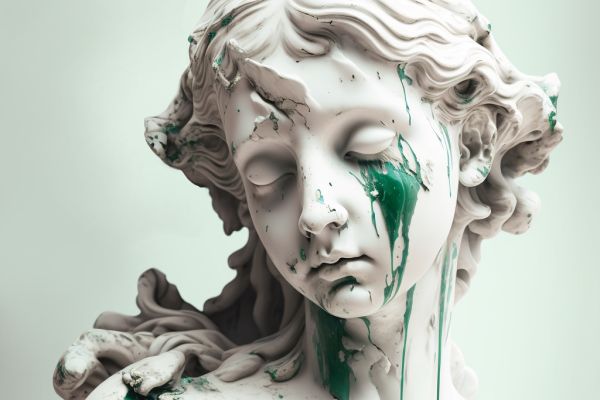
The Shadow Between Beauty and Morality
The haunting truth is that art is immortal, but artists are not. Their legacies live on, but so do their sins. Separating the two is an act of personal negotiation, not universal law.
Maybe the better question is not how far can we go but what are we willing to overlook? Because every act of separation is also an act of forgiveness and forgiveness, like art, is deeply personal.
Art may live beyond the artist, but it can never fully escape the shadow of its maker. And perhaps that’s how it should be.
The ultimate reminder that beauty and morality, though intertwined, will always be in tension, forcing us to look harder, think deeper, and choose more carefully.