The US Is Moving Closer to Clear Crypto Rules. Why Nigeria Should Care
The SEC Chairman Paul Atkins anticipates the Clarity Act will pass in September, aiming to establish the U.S. as the crypto capital of the world. This act seeks to define digital assets as securities, commodities, or stablecoins, despite previous delays and ongoing political debates.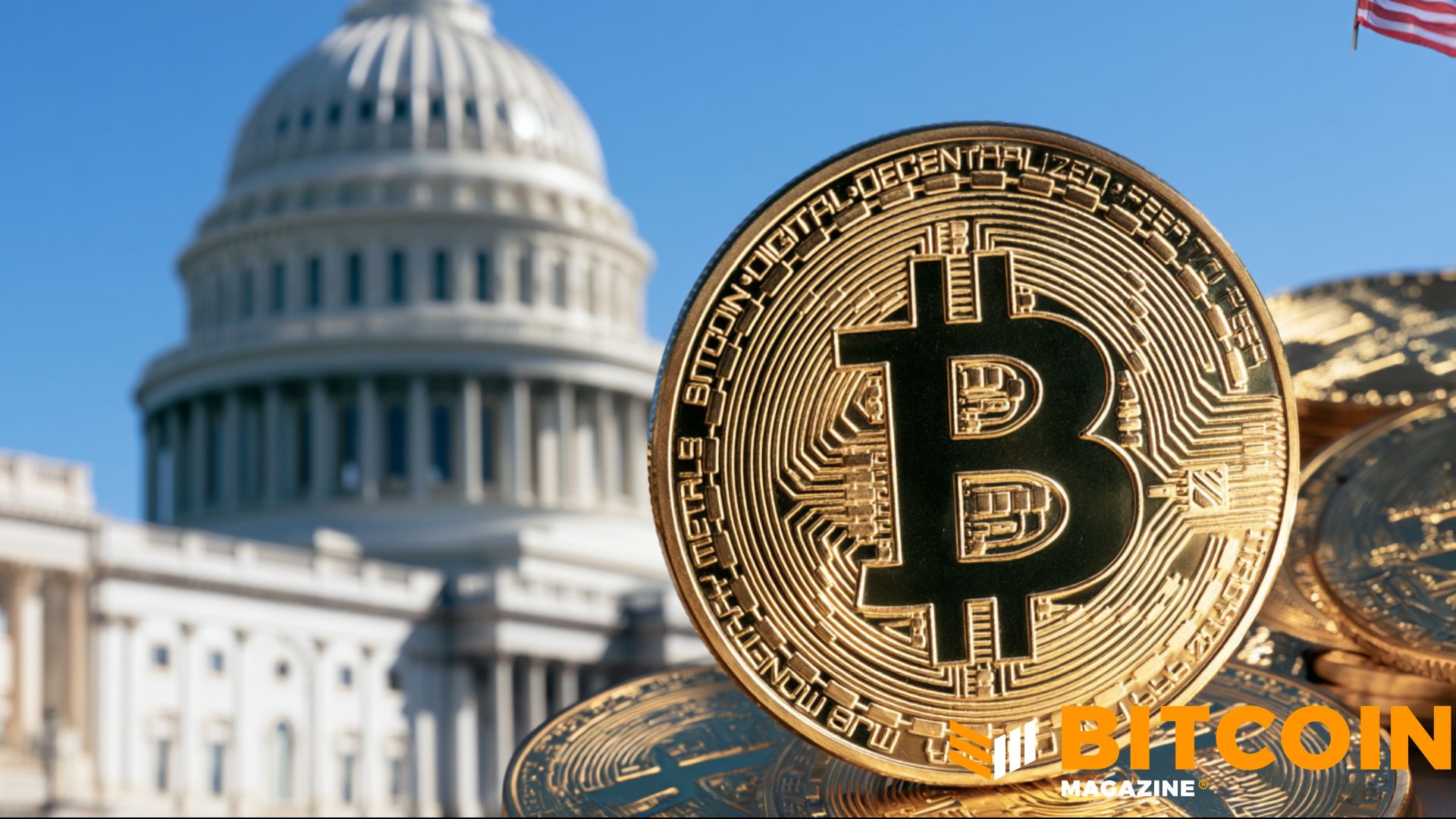
The US may finally be getting closer to a proper rulebook for crypto.
SEC Chairman Paul Atkins said he expects the CLARITY Act to move forward this month, with a key Senate vote scheduled for September 15. The bill would set clearer boundaries between the Securities and Exchange Commission (SEC) and the Commodity Futures Trading Commission (CFTC) over digital assets.
It has been stuck in Washington for months, but lawmakers are now trying to get it moving again.
For Nigeria, this is worth watching.
What the CLARITY Act would change
The bill is designed to settle one of crypto's biggest problems in the US: who regulates what?
Different digital assets can fall under different rules, leaving companies unsure whether they are dealing with securities regulation, commodities regulation or another framework.
Atkins has made clear that the SEC wants to move away from that uncertainty. In August, he said the agency would support legislation that gives the crypto market a durable regulatory framework.
The September 15 vote, however, is not the final vote on the bill. It is a procedural vote to allow the Senate to begin considering the legislation, meaning negotiations and amendments could still follow.
And there is plenty to negotiate.
Lawmakers remain divided over issues including crypto rewards, consumer protection, ethics provisions and the balance of power between regulators.
Why Nigeria should be paying attention
Nigeria already has a substantial crypto economy, so developments in one of the world's biggest financial markets can eventually reach Nigerian users and businesses.
Crypto is used across Nigeria for trading, transfers, savings and cross-border transactions. Stablecoins have also become particularly useful for people and businesses dealing with dollar-denominated transactions.
That makes regulatory changes in the US more than a Wall Street story.
If clearer American rules encourage banks, investment firms and other large financial institutions to enter crypto more aggressively, the effects could spread through global markets.
It could also influence how other countries design their own rules.
Nigeria is already moving in that direction. The Nigerian SEC's proposed digital-asset rules cover activities including issuance, trading, custody, transfers, tokenisation and investment services, including businesses operating in Nigeria or targeting Nigerian investors.
America is not the only market writing the rules
The interesting part is that Nigeria is working through many of the same questions at its own pace.
How should exchanges be supervised? What should happen to customer assets held by platforms? Which digital assets should fall under securities rules? And how much freedom should companies have to build new financial products?
There is no single global answer yet.

The US is trying to draw its lines through the CLARITY Act and new SEC rules. Nigeria is building its own framework. Other African markets are doing the same.
That means the next phase of crypto adoption may be shaped less by whether governments accept digital assets and more by the rules they put around them.
What happens next?
Atkins clearly wants the US to become a major centre for crypto activity, but the CLARITY Act still has hurdles to cross.
If the Senate advances it, lawmakers will still have to work through the disputed provisions before the legislation can reach President Trump.
For Nigeria, the immediate issue is not simply whether the American bill passes.
It is what a clearer US market means for a global industry that Nigerians are already using.
A more predictable regulatory environment could bring more institutional money into crypto and make digital-asset businesses easier to operate across borders.
It could also produce tougher rules.
Either way, the US is helping shape the regulatory environment that Nigeria's own crypto market will have to operate alongside.