Rwanda's Defining Moment: #CPHIA2025 Marks a New Era for Travel
Africa faces a severe adolescent pregnancy crisis, jeopardizing millions of girls' education and futures, with Sub-Saharan Africa bearing the highest burden. A study in Rwanda's Muhanga District by public health worker Isaie Nshimiyimana uncovers critical factors like education level, family structure, and access to sexual and reproductive health education driving this trend. The findings underscore the urgent need for multi-layered, community-based interventions to break cycles of poverty and empower young women.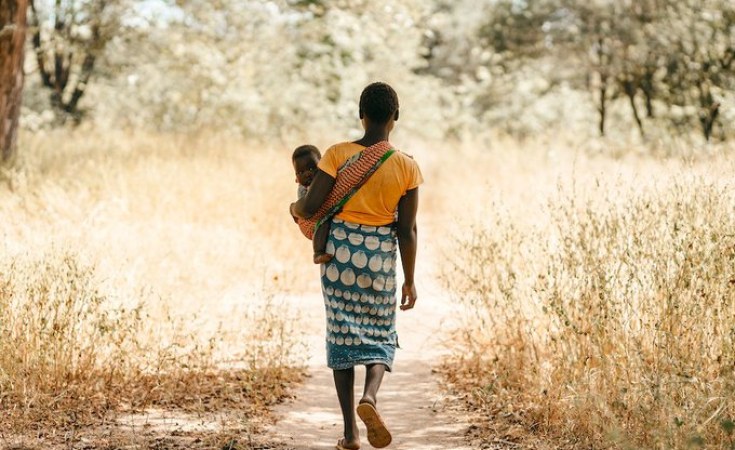
Across Africa, a pressing public health and social crisis unfolds as nearly one in five teenage girls becomes pregnant before turning 19. This staggering statistic has devastating consequences, often stripping girls of their education, limiting their future economic opportunities, and trapping them in cycles of poverty and social stigma. The issue is particularly acute in Sub-Saharan Africa, which accounts for approximately 90% of adolescent births in low- and middle-income countries, with half of these pregnancies being unplanned. This trend is further exacerbated by a disturbing rise in child marriage, gender-based violence, and HIV infections among adolescent girls, collectively demanding immediate and collective action from the global community.
In rural Rwanda, a nation that has made significant strides in gender equality and reproductive health, the challenge of adolescent pregnancy persists. Isaie Nshimiyimana, a dedicated public health worker, focused his research on Muhanga District, where the rate of adolescent pregnancy is particularly alarming. His study, which will be presented at the 2025 Conference on Public Health in Africa (CPHIA), revealed that 10.7% of girls aged 15–19 in Muhanga District had experienced pregnancy, roughly double the national average of 5% reported in the 2020 Demographic and Health Survey. Although this rate has slightly declined from 12% in 2020, its persistence highlights ongoing vulnerabilities in education, family structures, and reproductive health education within the community.
Nshimiyimana's key findings identified several strong predictors of adolescent pregnancy. Girls who were not in school or only at the primary level were over 23 times more likely to become pregnant than those attending secondary school. Furthermore, adolescents living in households headed by non-parental figures faced a fourfold increase in pregnancy risk, while those financially supported by individuals other than their parents were nearly four times more vulnerable. Conversely, receiving comprehensive sexual and reproductive health (SRH) education significantly reduced pregnancy risk by 80%. A surprising revelation from the study was that overall family income did not significantly influence pregnancy risk; instead, the source of support and the functionality of family relationships proved to be more critical protective factors.
The study also highlighted significant challenges impeding prevention efforts. Cultural taboos surrounding discussions of sexuality and reproductive health, both at home and in schools, contribute to a pervasive lack of accurate SRH information. Open communication between parents and children on these sensitive issues remains limited, largely influenced by cultural norms. Poverty and prevailing gender norms often push some girls into relationships that offer financial or emotional support, inadvertently exposing them to early pregnancy. Moreover, the social stigma, childcare burdens, and lack of institutional support make it incredibly difficult for pregnant girls to return to school, perpetuating a cycle of educational disruption and limited future prospects.
Stable home environments and robust parental guidance are paramount for adolescent protection. Nshimiyimana emphasized that girls living with non-parental guardians may experience weaker emotional supervision, reduced communication, or even neglect, rendering them more susceptible to exploitation or risky behaviors. This underscores that social connectedness and parental guidance are key protective elements beyond purely economic factors. The mental health toll of teenage pregnancy is also severe, with teen mothers frequently experiencing anxiety, depression, stigma, and social isolation. The dual burdens of disrupted education and early motherhood responsibilities contribute to significant emotional and financial stress, often leading to long-term psychological distress. Addressing these effects necessitates integrating psychosocial support, such as counseling services, peer support groups, and reintegration programs, into existing health and education systems.
Nshimiyimana's overarching message to the global health community is clear: adolescent pregnancy is not merely a health issue but a profound symptom of deep-seated social and structural inequalities. He advocates for multi-layered approaches that combine education, economic empowerment, and community-based interventions, emphasizing that solutions must be culturally sensitive and deeply rooted in local communities. While acknowledging the challenges, Nshimiyimana remains optimistic due to Rwanda's demonstrated strong political will and existing community-based structures that can facilitate rapid change. The inclusion of SRH education in schools, the availability of youth-friendly health services, and a growing public dialogue are positive indicators. Empowering young people themselves through peer education, advocacy, and innovation is central to the solution, as they increasingly shape conversations about health and gender equality, offering confidence that adolescent pregnancies can be significantly reduced in the years ahead.