Ruto's Universal Health Coverage Gamble: Major Reforms Face Strike Threats and Unfinished Business
Kenya is undergoing significant healthcare reforms under President William Ruto's administration, aiming for Universal Health Coverage (UHC). Despite the replacement of NHIF with SHA and the deployment of Community Health Promoters, challenges persist, with experts questioning the reforms' impact on ordinary Kenyans and the tragic consequences of ongoing healthcare crises like strikes.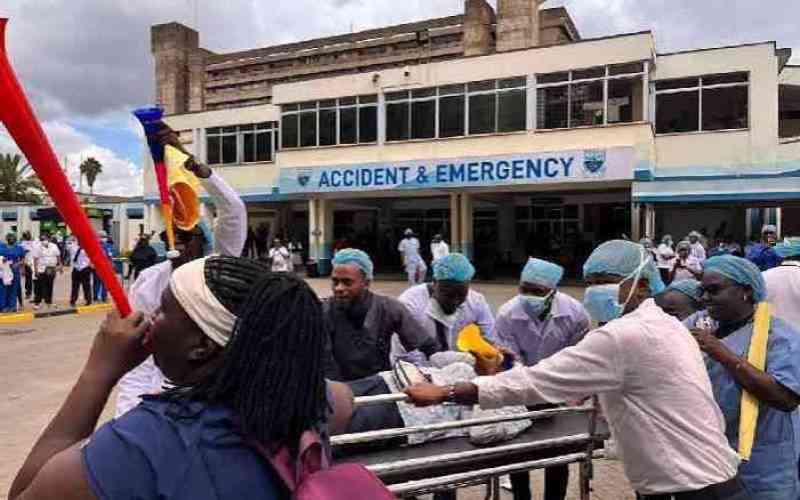
Kenya's healthcare system is undergoing significant reforms under President William Ruto's administration, yet it continues to grapple with fundamental challenges that directly impact its citizens. Universal Health Coverage (UHC) stands as a flagship promise, aiming to ensure no Kenyan is denied quality healthcare due to an inability to pay. However, four years into the Kenya Kwanza government's tenure, experts and health sector players question whether these ambitious reforms can deliver meaningful universal access before the next General Election, especially when viewed through the lens of ordinary Kenyans.
The question of what healthcare reform truly means for a Kenyan without money when illness strikes remains central to the UHC debate. The administration has initiated one of the country's most far-reaching healthcare transformations in decades. Key among these changes is the replacement of the National Health Insurance Fund (NHIF) with the new Social Health Authority (SHA). Alongside this, primary healthcare has received renewed attention, marked by the deployment of Community Health Promoters (CHPs) and the expansion of digital health systems across the nation. The government reports millions of SHA registrations, billions of shillings in claims payments, and thousands of contracted facilities, painting a picture of progress.
Despite these reported advancements and reforms, the grim realities faced by Kenyans underscore the persistent vulnerabilities within the system. A tragic example is the death of Beatrice Nyongesa, a 36-year-old woman who lost her life in August during a prolonged nurses’ strike. After safely delivering with a traditional birth attendant in Endebess, she developed severe bleeding upon returning home and succumbed to her condition. Such incidents highlight the devastating consequences of service disruptions and systemic failures, emphasizing the critical need for robust and accessible healthcare services, particularly during emergencies.
The journey towards full Universal Health Coverage in Kenya is complex. While the government is actively implementing structural changes and reporting on initial successes, the experiences of citizens like Protus Wafula Nyongesa, who lost his wife due to circumstances exacerbated by a healthcare strike, serve as a stark reminder of the gap between policy and lived reality. The ongoing debate questions whether the current pace and nature of reforms are sufficient to bridge this gap and truly deliver on the promise of equitable and accessible healthcare for all Kenyans before the upcoming election.