Ridley Scott's Epic Reclaimed: How Director's Cut Transformed a Box Office Flop into a Streaming Sensation
Ridley Scott's historical epics, including the upcoming "Gladiator II" and the re-evaluated "Kingdom of Heaven," are at the center of discussions about creative integrity and studio influence. Russell Crowe has voiced strong criticisms regarding the moral core of "Gladiator II," echoing the challenges Scott faced with studio cuts that initially marred "Kingdom of Heaven." This article explores how external pressures and a director's vision shape cinematic masterpieces.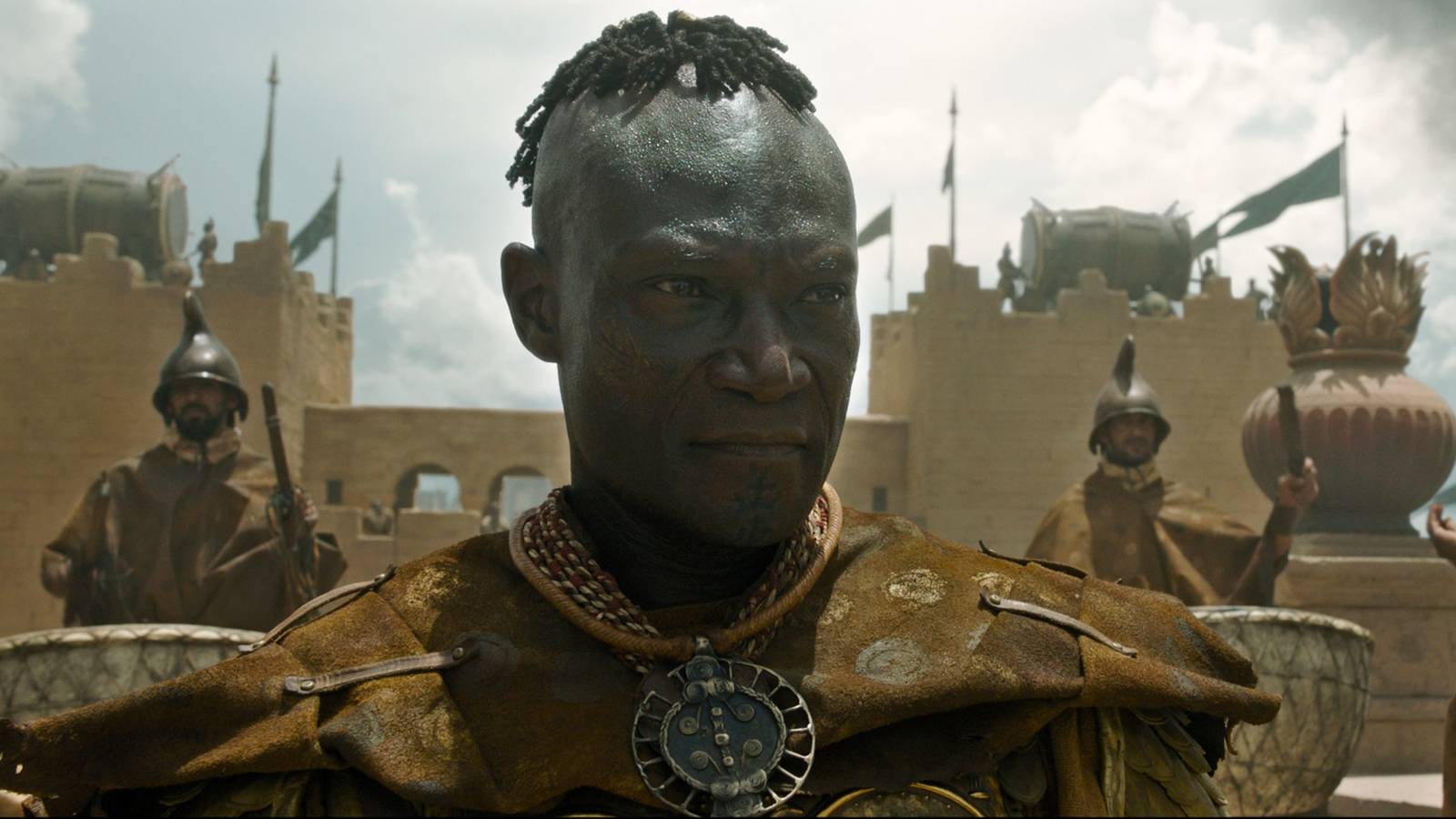
Ridley Scott, a director renowned for his historical epics, finds his latest projects and past works continually sparking debate and critical commentary. The upcoming sequel, "Gladiator II," is currently drawing significant attention, partly due to film icon Russell Crowe's pointed criticisms regarding its potential lack of a "moral core." This highly anticipated 148-minute historical epic, a follow-up to one of Scott's most beloved films, "Gladiator," has already made waves, securing a spot in Netflix's top 5 in select territories ahead of its November 22, 2024, release.
"Gladiator II" picks up years after the original, following Lucius, played by Paul Mescal, as he is drawn into the brutal world of the Colosseum, echoing the journey of Maximus. The film boasts an impressive ensemble cast including Pedro Pascal as General Marcus Acacius, Denzel Washington as Macrinus, Connie Nielsen reprising her role as Lucilla, Joseph Quinn as Emperor Geta, and Fred Hechinger as Emperor Caracalla.
However, it is Russell Crowe's remarks that have particularly resonated within the film community. Crowe expressed concerns that the sequel might misunderstand the essence of the 2000 original. He described it as a "cautionary tale about misunderstanding what made the first one special," emphasizing, "It wasn't the pomp. It wasn't the circumstance. It wasn't the action. It was the moral core." Crowe vividly recalled the daily struggle on the set of the first "Gladiator" to maintain Maximus's moral integrity, fighting against studio suggestions for scenes, such as sex scenes, that he felt would undermine the character's foundation and power. He highlighted how such attempts to make Maximus more "blockbuster-friendly" would have distorted his established relationship with his wife, calling them "crazy."
This discussion about a film's integrity and a director's vision versus external pressures is not new for Ridley Scott. A similar narrative surrounds his 2005 epic, "Kingdom of Heaven." When initially released in theaters, the film was met with confusion rather than impact. Studio intervention led to the removal of nearly forty-five minutes of crucial material, transforming Scott and writer William Monahan's dense, character-driven political drama into what appeared to be a standard historical spectacle. Scott openly stated that the studio "forced him to make the film a lot shorter," a decision he believes "destroyed an incredible film." The studio later acknowledged this compromise as a mistake.
The theatrical cut of "Kingdom of Heaven" caused immediate damage to its core character work. Orlando Bloom's Balian appeared distant and underwritten, his motivations simplified, and his transformation into a leader lacking necessary groundwork. The Director's Cut, however, meticulously restores these foundations, reintroducing narrative threads that establish Balian's grief, guilt, and evolving sense of responsibility. Similarly, Eva Green's Sibylla becomes a far more complex figure in the extended version, with her full arc, including a devastating decision Scott himself deemed central, brought back into focus. Even Edward Norton's powerful, unseen performance as Baldwin gained deeper context.
Beyond individual characters, the theatrical cut significantly undermined the film's political context. Monahan's meticulously researched script portrayed the Crusades as a volatile system of competing ideologies and fragile alliances. By removing connective tissue, the studio cuts created an illusion of simplicity, making political relationships seem abrupt and strategic decisions appear out of nowhere. The Director's Cut restores this complexity, clarifying that the conflict revolved around competing interpretations of faith, power, and leadership within a system that resisted easy resolution – the film Scott originally intended to make.
The restoration of "Kingdom of Heaven" in its Director's Cut form did more than just fix pacing or deepen characterization; it reestablished the film's true identity. What once seemed uneven now feels deliberate, and what felt distant becomes emotionally precise. This transformation explains why the Director's Cut has earned such a strong reputation, functioning not merely as an expanded edition but as the actual, definitive film. Scott himself directs audiences to the extended version first, emphasizing its importance. The history of "Kingdom of Heaven" serves as a potent reminder of how studio concerns, even with good intentions, can fundamentally reshape a film into something unrecognizable, highlighting the critical importance of a director's complete vision.