Relocation Might Just Be Becoming Harder Than Before
Relocating abroad is becoming more difficult due to stricter immigration policies, rising financial costs, inflation, and currency depreciation. Here’s why the “Japa” dream now requires more planning than ever.
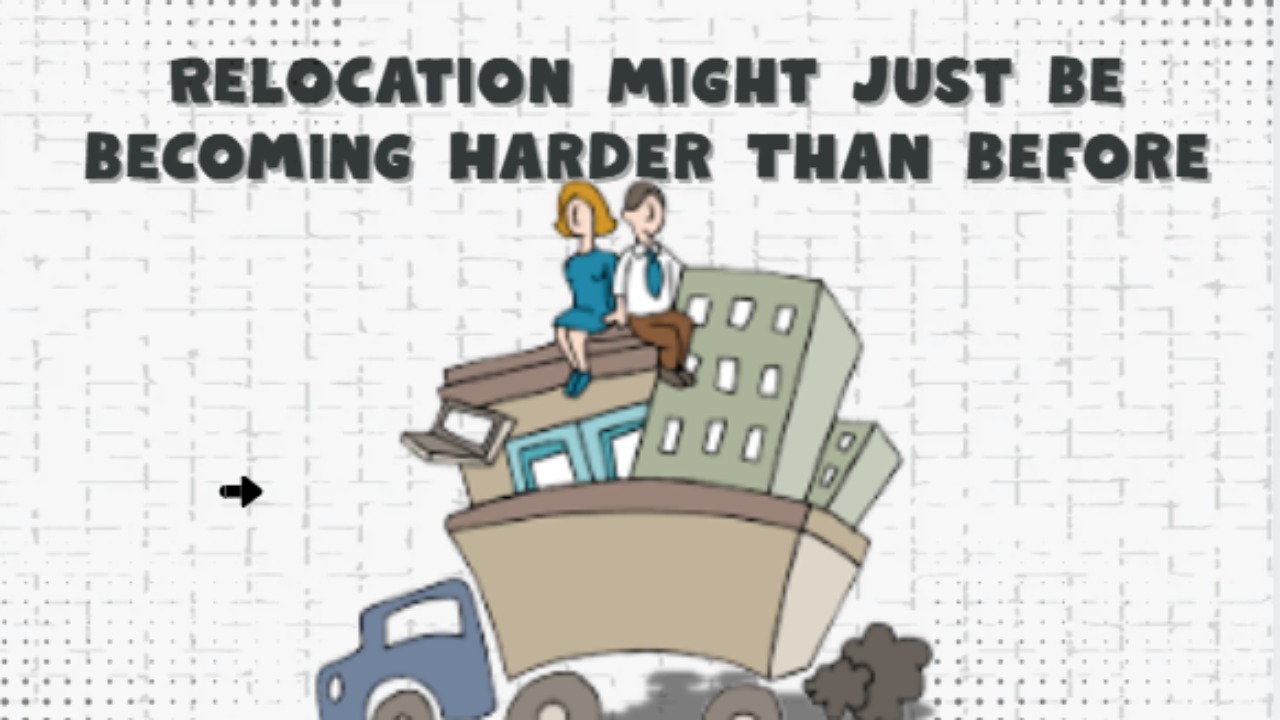
For many young Africans, especially Nigerians, the word “Japa” is not just a wish, it has evolved from slang and jokes into an ideology that is backed by strategy.
It represents escape, an opportunity and the glimpse of a future that feels more predictable than the one they are currently navigating.
The belief of the young average individual is that there is greener pasture abroad technically outside the borders of their nation.
In a country where inflation stretches salaries thin, where unemployment remains high, and where frustration with governance is a constant theme in daily conversations, relocation feels like the most logical response.
The average young individual wants to leave in search of stability, structure, security, and systems that work without having to think twice.
But there is a truth we often overlook and I think you might be overlooking it too, the grass is greener where you water it and not on the other side.
That statement does not dismiss the legitimate struggles many people face in their home country.
The realities are visible, rising food prices, currency depreciation, limited job opportunities, and policy instability.
These pressures push people to consider alternatives beyond national borders.

For some, it is not even just about money. It is about predictability. It is about public services. It is about wanting to raise children in an environment that feels structured and secure.
Yet while the desire to relocate grows stronger, the pathway to doing so is becoming increasingly complex.
If you are still interested in relocating, it would be wise to understand that moving abroad is becoming harder than it was just a few years ago.
The “Greener Pasture” Dream and The Reality

The emotional drive behind relocation cannot be ignored. For many Nigerians, migration is not luxury, it feels like survival.
Diaspora Connect
Stay Connected to Home
From Lagos to London, Accra to Atlanta - We Cover It All.
Economic pressures continue to mount. The naira’s depreciation means that local earnings translate poorly into foreign currency.
Savings that once looked substantial now feel insufficient when converted for tuition, visa fees, housing deposits, and flight tickets.
Years ago, the amount required to process a student visa or skilled migration route might have seemed demanding but manageable. Today, that same amount may represent only a fraction of what is required.

Inflation—both locally and globally—has changed the equation.
Tuition fees in countries like the UK and Canada have risen significantly. Proof-of-funds requirements have increased.
Rent deposits and cost-of-living thresholds are higher than before.
At the same time, exchange rate volatility means Nigerians must save far more in naira to meet foreign currency requirements.
Beyond finances, there is also political fatigue. Some individuals seek to leave not only because of economic hardship, but because they feel disconnected from national leadership or dissatisfied with governance.
The emotional narrative becomes: “If I cannot change the system, I will change my environment.”
But changing environments now requires navigating a far more guarded global landscape.
Why Relocation Is Becoming Harder Than Before

Diaspora Connect
Stay Connected to Home
From Lagos to London, Accra to Atlanta - We Cover It All.
Immigration policies across major destination countries have tightened.
Governments in the UK, Canada, Australia, and parts of Europe have introduced caps, stricter visa rules, and higher financial requirements.
In the UK, for example, enacted policy adjustments have limited international students’ ability to bring dependents and raised minimum salary thresholds for skilled worker visas.
Canada has introduced study permit caps and housing-related restrictions in response to domestic pressures.
These shifts reflect internal political and economic concerns within those countries.
The financial cost of relocation has also expanded dramatically.
Application fees, biometric charges, healthcare surcharges, and legal processing costs have increased.
In many cases, applicants must now demonstrate significantly higher proof of funds due to rising living expenses abroad.
Currency depreciation compounds the challenge. When your local currency weakens against the dollar, pound, or euro, your savings lose purchasing power instantly.
Global inflation has not spared destination countries either. Housing shortages in cities like Toronto, London, and Sydney have driven rent prices upward.
Even migrants who secure visas now face a cost-of-living reality far harsher than the dream initially imagined.
Competition has intensified as well, migration demand has surged globally, not just from Nigeria but from multiple developing nations.
Skilled migration programs are becoming more selective, prioritizing specific industries facing shortages such as healthcare, engineering, and technology.
There is also the hidden cost of relocation: emotional adjustment, cultural adaptation, isolation, credential recognition challenges, and underemployment affect many migrants.
Diaspora Connect
Stay Connected to Home
From Lagos to London, Accra to Atlanta - We Cover It All.
Degrees earned at home may require re-certification and in some cases professional networks must be rebuilt from scratch.
None of this means relocation is impossible but it does mean it is no longer as accessible as it once appeared.
The “Japa” conversation often begins with frustration and hope. It is fueled by social media success stories and curated images of life abroad.
What is less visible are the structural barriers that now stand between intention and execution.
Relocation today demands more capital, more planning, more resilience, and more strategic positioning than before.
Maybe for you might still believe that the grass may indeed be greener elsewhere but reaching it now requires navigating a far more complex field.
And perhaps the most important question is not just whether you can leave, but whether you are prepared for what leaving now truly entails.