Protest Fatigue is Real — And African Leaders are Banking On It
Protest fatigue is real — and African leaders are counting on it. This powerful piece unpacks the emotional toll of repeated activism, the silence it breeds, and how governments strategically wait out outrage. It also urges a rethinking of protest beyond hashtags and street marches.
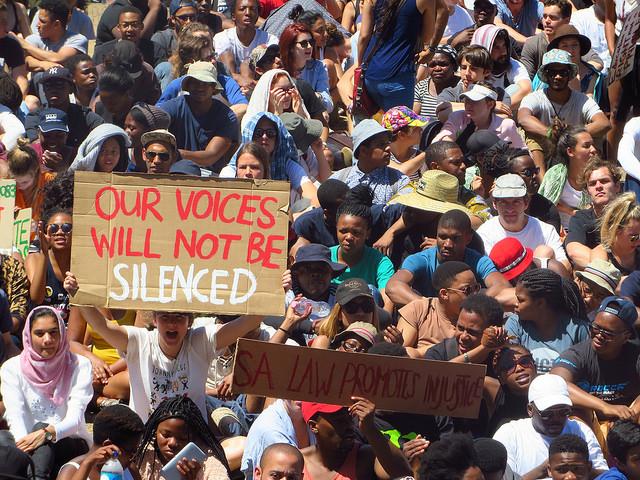
I remember the way the ground shook beneath our feet during the #EndSARS protests in 2020. The air was thick with chants, bodies, banners, and something we hadn’t felt in a while — hope, change. People were angry, yes, but more than that, we believed. Believed that maybe, this time, they would listen. Maybe, this time, things would change.
But here we are, a few years later, and the hashtags have faded. The faces that led the charge are quieter now. And the people? Exhausted.
You see, the problem is not that we stopped caring. It is that we started realising how little our caring seems to matter to those in power. How our caring doesn't equate to the change we long for, so we grew numb. Numb to the system and its policies.
This is what protest fatigue looks like. And unfortunately, African leaders know it. They are counting on it.
The Reality Of Protest Fatigue Among African Youths
Protest fatigue refers to the feeling of weariness and discouragement that can arise from participating in or witnessing frequent protests, leading to reduced engagement or even withdrawal from activism. It is usually due to the emotional toll and the feeling that the movements are not achieving desired outcomes.
Protest fatigue is more than just burnout. It is a deep, hollowing tiredness that comes from fighting the same battles with no results. It is knowing that you could march, scream, mobilise, and nothing will change except your mental health and sometimes, your criminal record.
It is scrolling past another injustice on social media and thinking, “What’s the point? Nothing will change.” It is becoming numb to the pain, hoping one day you'd leave to a system that truly works.
In many African countries, we have seen this cycle over and over again. The youth rise, the government delays, then distracts, then silences. Eventually, we forget. Or we are too tired to try again, still disappointed on the minimal or no results that came out of the struggle.
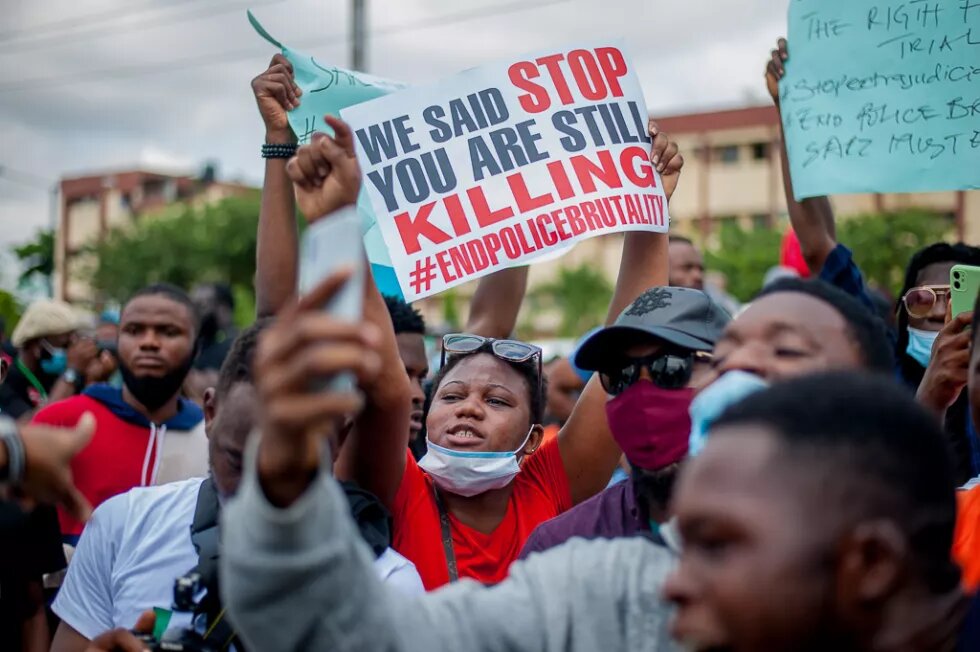
Photo credit: Heinrich Böll
The Predictable Cycle
Let’s talk about the pattern and it is painfully predictable: A brutal injustice or corruption scandal sparks outrage, the social media explodes, the streets follow, the government releases a vague statement, maybe forms a “panel,” arrests are made — not of the guilty, but of the loud, attention shifts and the world moves on. We move on too. Until the next time.
Remember Sudan? The street protests that shook the country from September 2019 to 2022. South Africa’s #FeesMustFall? Nigeria’s #ENDSARS protests and Hunger Protests? Uganda’s anti-Museveni protests? The energy was electric. The courage, contagious. But today, how many of those issues have truly been resolved?
Not many. In fact, some of these issues have grown roots deeply in a system that was supposed to change and stunt its growth.
Governments Don’t Crush Movements — They Wait Them Out
The new tactic isn’t necessarily to crush protests with brute force (though that still happens). It is to wait. To let the outrage burn itself out. To let fatigue do the dirty work.
They know we are scrolling. They know we are sharing. But they also know our attention span is now measured in days, not weeks. So they ride the wave. Then quietly return to business as usual.
Some even go further — flooding platforms with fake news, hijacking hashtags, or deploying influencers to “change the narrative.”

It is not resistance, it is attrition. It is strategic silence, calculated deflection. They have mastered the art of pretending to care while doing absolutely nothing.
The Fear Factor Is Still Very Real
Don’t get it twisted, the silence isn’t always apathy. It is often about survival.
There is a reason some of the loudest voices during protests have either fled the country, gone offline, or chosen silence. The consequences of dissent are brutal: surveillance, blacklisting, unlawful detention, and in some cases, death.
Fear is a weapon. And it works perfectly. When the price of speaking up becomes too high, silence becomes a safety net.
And when silence becomes a survival means, it begins to look like indifference.
Even Outrage Has an Expiration Date
In the age of trending topics, nothing stays hot for long. One week, it is police brutality. Next, it is a celebrity scandal or a new TikTok dance.
Social media, for all its benefits, has also numbed us. We scroll through tragedy the same way we scroll through memes. Grief has become performative. Rage, disposable.
And for those in power? That’s perfect. Because what can’t stay viral can’t stay urgent.
The Emotional Price We’re Paying
What happens when a generation that was once fired up and fearless becomes disillusioned?
We become numb, detached, emotionally unavailable to politics. We start using phrases like “e go better” and “this country na cruise” as coping mechanisms.
Idealism gives way to cynicism. And cynicism, left unchecked, becomes complicity. We laugh at our pain because crying takes too much energy. And protesting takes even more energy and sometimes, lives.
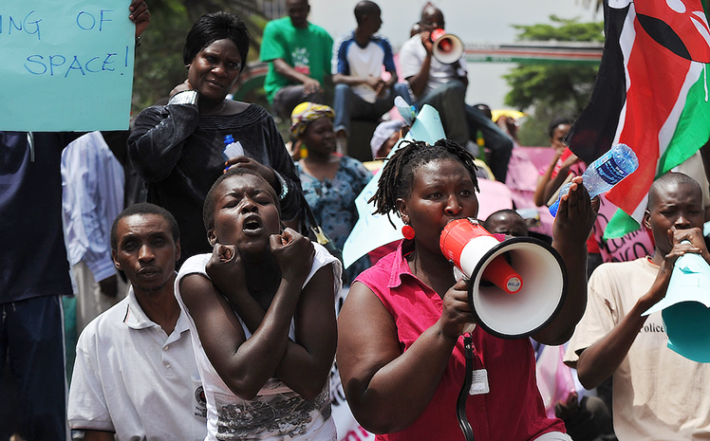
Photo Credit: Freedom House
They Win When We Stop Trying
The real danger is not in our silence — it is in our resignation. Because once people stop believing that their voice matters, democracy stops functioning. Or worse, it becomes theatre.
If we are not careful, we will wake up one day in a society that looks democratic on paper but runs like a dictatorship in practice, all because fatigue won.
And we won’t even realise when we gave up. Because we won’t call it surrender. We will call it “focus on your life.”
Rethinking Protest
Rest, first of all. Burnout is real. Activism isn’t sustainable when you are mentally and physically drained.
But after that, we must rethink protest. It is not just about marching. It is about voting, organizing, documenting, educating, creating alternative systems, and protecting each other.
We must learn to build, not just resist. Because while they are banking on our fatigue, we can’t let them cash in on our silence.
Protest doesn’t always look like bodies on the street or hashtags online. Sometimes, protest is simply refusing to forget. Refusing to disengage. Refusing to believe that nothing will ever change.
Yes, we are tired. But fatigue is a sign we have been fighting. And that, in itself, is power.
Let’s rest but not retire.