Protein Puzzle Solved: The Truth About 'Complete' vs. 'Incomplete' Sources
Discover the truth about the protein craze, complete vs. incomplete proteins, and how to meet your dietary needs. This article explores essential amino acids, recommended intake, and practical strategies for diverse diets, including insights on plant-based combinations and supplements.
In an time where there is a heightened focus on nutrition and fitness, the concept of protein intake has become a widespread topic of discussion among social media influencers, fitness instructors, and the general public. A particularly prevalent debate centers on the importance of consuming "complete proteins," which are defined as protein sources containing all nine essential amino acids. These essential amino acids are crucial organic compounds that the body cannot produce on its own and must be obtained through diet. Along with 11 non-essential amino acids, these 20 compounds are vital for numerous bodily functions, including hormone production, muscle growth, and immune system regulation.
While the Recommended Dietary Allowance (RDA) for the average healthy adult is typically 0.8 grams of protein per kilogram of body weight, many experts suggest that this is merely a baseline. Individuals who are active, pregnant, breastfeeding, or over 40 years of age may require a higher intake. Kristen Smith, RD, a national spokesperson for the Academy of Nutrition and Dietetics, advises aiming for approximately 30 grams of protein per meal as a more practical goal. The discussion then naturally progresses to whether all protein sources are equally beneficial and if prioritizing complete proteins at every meal is necessary.
According to Bonnie Jortberg, PhD, RD, an associate professor at the University of Colorado School of Medicine, individual foods that supply all nine essential amino acids are classified as complete proteins. Conversely, incomplete proteins lack one or more of these essential amino acids. Most complete protein sources are derived from animal products, such as fish, poultry, eggs, beef, pork, and dairy. However, certain plant-based options are also considered complete, including soy-based foods like tofu, edamame, tempeh, and miso, as well as quinoa.
Contrary to previous beliefs, current nutritional thinking suggests that it is not necessary to consume complete proteins at every meal. Dr. Jortberg clarifies that the long-held notion of combining incomplete plant-based proteins at each meal to form a complete protein is no longer considered essential by many experts. As long as an individual meets their overall daily protein requirements, such as the suggested 30 grams per meal, they are likely obtaining all the necessary amino acids. B. Pam Ismail, PhD, professor and director of the Plant Protein Innovation Center at the University of Minnesota, reinforces this perspective, stating that a varied diet typically ensures adequate amino acid intake.
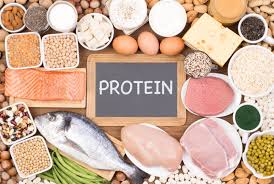
For those following a plant-based diet, however, a strategic approach to protein consumption can be beneficial. Since many naturally complete proteins are animal-derived, combining different incomplete plant-based proteins throughout the day effectively provides all essential amino acids. Classic examples of such combinations include rice and beans. Other effective pairings include chickpeas with wheat products (like bread or pasta), peanut butter with whole wheat toast, whole wheat pasta with peas, lentils (or beans) with rice, and oatmeal with chia seeds. Dr. Jortberg emphasizes that a diverse diet rich in healthful foods—including whole grains, fruits, vegetables, beans, legumes, lean protein sources, and low-fat dairy—will naturally provide sufficient complete proteins.
When whole foods alone prove insufficient to meet protein targets, such as the 30 grams per meal goal, protein powders or supplements can serve as a helpful aid. For those considering supplements, Dr. Jortberg recommends selecting products that also offer beneficial nutrients like iron, calcium, and fiber. Individuals with dairy intolerance should avoid whey protein and instead opt for plant-based alternatives made from rice, peas, hemp, or seeds. Additionally, protein-enriched foods like muffins, bars, and breads can assist in filling nutritional gaps when obtaining enough protein solely from whole foods is challenging.