Political Firestorm Erupts Over El-Rufai's Detention: Sanusi & Obi Weigh In!
Mohammed Bello El-Rufai has thanked Peter Obi for his consistent support during his father Nasir El-Rufai's detention, which has also drawn criticism from Emir Muhammadu Sanusi II regarding Nigeria's anti-corruption consistency. El-Rufai remains in custody facing allegations from the ICPC and DSS, with his son noting he uses the time for reflection, while Obi and Sanusi both questioned the political motivations behind the prolonged detention.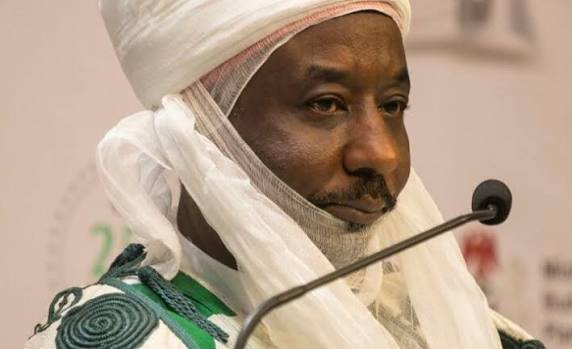
The son of former Kaduna State Governor Nasir El-Rufai, Mohammed Bello El-Rufai, has publicly extended his gratitude to Peter Obi, the presidential candidate of the Nigeria Democratic Congress (NDC), for his consistent concern and outreach regarding his father's continued detention.
Bello stated that Obi's regular check-ins taught him a significant life lesson, particularly given his past criticisms of the former presidential candidate.
He revealed, in a video circulated on social media, that several prominent opposition figures, including former Vice-President Atiku Abubakar, Rotimi Amaechi, and Rabiu Kwankwaso, had also inquired about his father's condition, but singled out Obi for special appreciation due to his unwavering contact.
Nasir El-Rufai was initially taken into custody by the IndependentCorrupt Practices and Other Related Offences Commission (ICPC) on February 18, 2026, following a period with the Economicand Financial Crimes Commission (EFCC).
The ICPC stated his detention was in connection with ongoing investigations. Furthermore, the former governor has faced legal proceedings involving allegations by the ICPC.
As well as a separate case brought by the Department of State Services (DSS) concerning alleged unlawful interception of telephone communications belonging to National Security Adviser Nuhu Ribadu.
Bello's comments are made amid ongoing political and legal scrutiny surrounding his father’s situation, with calls for due process from various opposition figures and family members.
During his detention, Bello reported that his father has utilized the time for personal reflection, engaging in reading, studying the Quran, and planning for the future.
Meanwhile, Peter Obi himself had previously voiced strong criticism of El-Rufai’s prolonged detention, describing it as "political persecution" and advocating for the strict adherence to the rule of law in the matter.
Further casting doubt on the consistency of Nigeria’s anti-corruption efforts, the Emir of Kano, Muhammadu Sanusi II, also raised concerns specifically citing the continued detention of former Kaduna State Governor Nasir El-Rufai.
Speaking during the launch of "The Unexplained Wealth Trilogy" in Lagos, Sanusi emphasized that the mere existence of anti-corruption laws is insufficient; effective implementation by investigative, prosecutorial, and adjudicative institutions is paramount.
Sanusi criticized instances where corruption charges have been dropped for individuals with political connections or those within a "right political environment."
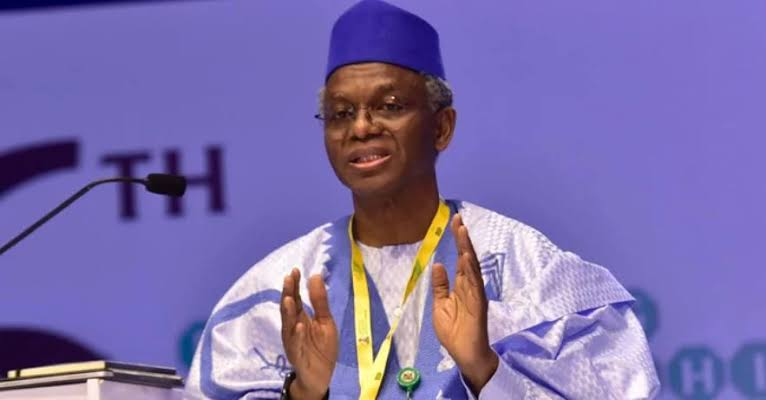
He suggested that the handling of certain corruption cases, including El-Rufai’s, has led to public questions about whether the anti-corruption campaign truly aims to curb corruption or serves as a tool for political persecution.
The Emir expressed concern that such inconsistencies erode public trust and undermine the purpose of legal processes.
Highlighting El-Rufai’s specific situation, Sanusi pointed out that the former governor had been in detention for seven months without conviction, a circumstance that, according to the Emir, inevitably fuels public speculation regarding the true motivations behind the prosecution.
He underscored that the judiciary and political office holders bear the responsibility of ensuring laws are applied fairly and for their intended purposes.
In his address, the Emir called for a shift in focus from solely reviewing existing legislation to strengthening the institutions responsible for enforcing anti-corruption laws.
He argued that true progress against corruption can only be achieved when these institutions operate effectively and without political bias, warning that without such commitment, individuals with "the right political connections" might continue to evade justice.