Plateau Bleeds: Unraveling the Endless Carnage and its Devastating Toll
Plateau State continues to grapple with pervasive violence, marked by a recent deadly attack in Angwan Rukuba, Jos, which prompted student evacuations from UNIJOS. Decades of conflict, rooted in 'indigene-settler' disputes, land issues, and economic warfare, have highlighted failures in governance and security. While President Tinubu has pledged new security measures, experts emphasize the need for genuine reconciliation, pragmatic reforms, and community-led solutions to break the cycle of insecurity.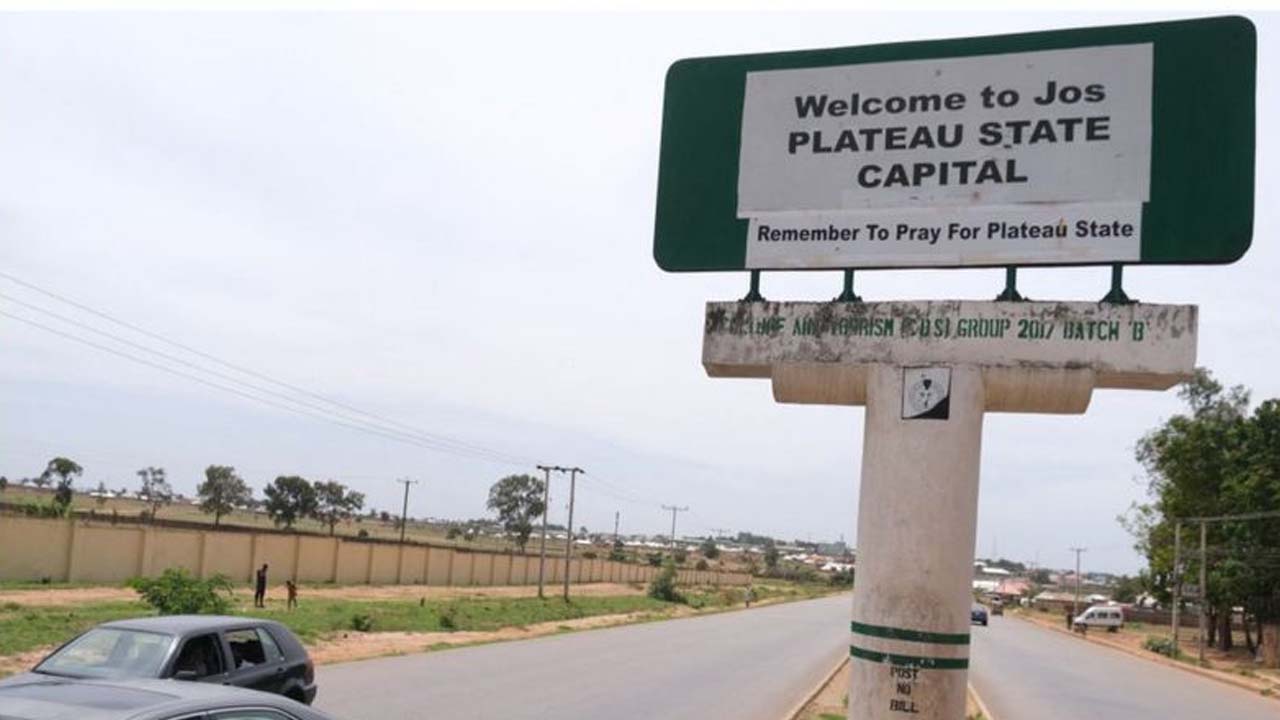
Plateau State has once again been plunged into a devastating cycle of violence, with "killings" becoming an all too frequent companion to its name since September 2001.
Over the past two decades, different estimates suggest more than 50,000 lives have been lost, marking a tragic continuation of conflict that has shifted from urban centers like Jos to more inaccessible rural areas, exacerbated by the rise of banditry and terrorism.
The latest in this grim series of events occurred on Sunday, March 30, with a fresh round of killings unleashed on the state, as suspected bandits attacked a popular bar in Angwan Rukuba, Jos North Local Government Area, leading to the confirmed deaths of at least 28 people and leaving several injured.
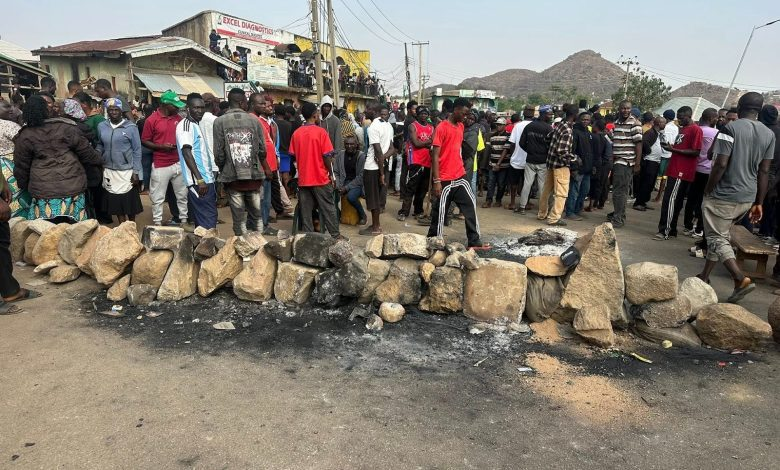
This brutal assault sparked widespread outrage and prompted the state government to impose a 48-hour curfew in the affected area, with Governor Caleb Mutfwang and Information Commissioner Joyce Lohya Ramnap condemning the "barbaric and unprovoked" act.
The escalating insecurity had immediate repercussions on the academic community, as the University of Jos (UNIJOS), due to its proximity to the affected community, suspended all scheduled examinations and ordered the immediate evacuation of students from its hostels.
This led to a large-scale exodus, with at least seven state governments – Delta, Lagos, Adamawa, Cross River, Benue, Bauchi, and Nasarawa – orchestrating the evacuation of over 1,630 of their indigenes from the university.
Tragically, the Angwan Rukuba attack claimed the life of Abel Gershon, a 300-level building student at UNIJOS, who succumbed to his injuries after a long battle.
Another unnamed elderly victim of the attack also reportedly died, and further compounding the tension, Adeyemo Temitope, a 500-level quantity surveying student, was found dead near the campus, though reportedly from a separate attack, contributing to heightened security concerns.
The conflict in Plateau is deeply rooted, tracing back to the 1990s with initial tensions over land, grazing routes, and political identity, culminating in the 1994 Jos North crisis.
A significant turning point was the September 2001 dispute at a mosque that spiraled into days of bloodshed, and subsequent years saw repeated outbreaks of violence, including the 2004 Yelwa–Shendam massacre, a new wave of killings in 2008 triggered by local council elections, the horrific 2010 Dogo Nahawa incident, and a period between 2011 and 2015 marked by bombings and night-time raids.
The assassination of the Saf Ron Kulere in Bokkos in 2016 and the Barkin Ladi mass killings in 2018 further deepened fears, and after a brief calm, the cycle roared back to life with the 2023 Christmas Eve massacres, claiming over 150 lives, before the latest Angwan Rukuba attack in March 2026, marking another tragic chapter.
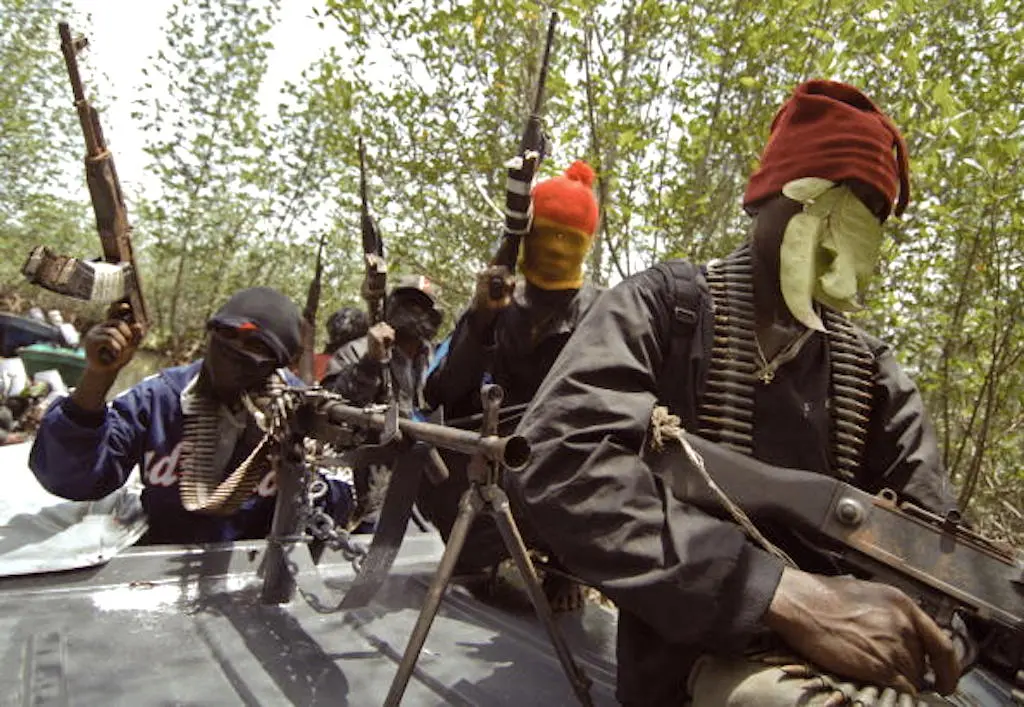
At its core, the Plateau conflict is framed not merely as a religious war, but principally as an indigenes versus settlers struggle, reflecting precolonial tribal wars.
The "indigenes" are largely Christian ethnic groups like Berom, Ngas, Tarok, and Mwaghavul, while the "settlers" are predominantly Fulani and associated Muslim groups.
This toxic division, fragmented by both ethnicity and religion, is further complicated by disputes over access to land and grazing rights.
The Fulani, with history in Jos dating back to the 18th century as nomadic herders, assert their right as "Jasawa" (people of Jos), having known no other home for generations.
Conversely, the "indigenes" are resolute in their stance that the Fulani are "settlers" who seek to dominate and take their ancestral lands, with some convinced of an "unfinished jihad business."
The violence has also taken on characteristics of economic warfare.
Attacks frequently coincide with planting and harvesting cycles, aiming to instill fear, displace communities, and deny access to fertile land.
This has led to "defensive agriculture," where farmers cultivate only plots close to settlements, abandoning more exposed but productive areas, turning insecurity into scarcity and economic pressure.

Livelihoods are under siege, with markets shrinking, trade routes fracturing, and informal credit collapsing.
Young people, facing high unemployment in conflict-affected areas, are vulnerable to drifting into vigilante groups, illicit economies like cattle rustling, arms brokerage, and illegal mining, thus perpetuating the cycle of violence.
Environmental stress also compounds the issue by altering grazing routes and farming calendars.
Government and security responses have been consistently challenged, and despite various panels of inquiry and identified root causes, recommendations often gather dust, leading to a pervasive sense of impunity.
Suspects linked to crimes are reportedly transferred to Abuja, only for cases to lose momentum.
Community elders, political, and religious leaders, instead of fostering peace, sometimes contribute to the rhetoric of hate.
Operationally, military forces, designed for conventional threats, struggle against dispersed, intelligence-intensive micro-attacks in Plateau's challenging terrain.
Poor road networks and limited air mobility further delay response times, often turning intervention into an aftermath.
At the state level, political leadership faces the difficult task of decisive action without appearing partial, often resulting in cautious signaling that is insufficient to inspire public confidence.
President Bola Tinubu, during a recent condolence visit to Jos, faced criticism for not visiting the affected communities directly, meeting victims at the airport instead due to a "tight schedule" and lack of night flight facilities.
He pledged to deploy a network of artificial intelligence-enabled cameras to help law enforcement agencies break the "shackles of violence" and directed security chiefs to apprehend those responsible.

Chief of Army Staff, Lt. General Waidi Shaibu, also ordered the deployment of over 850 additional troops to bolster Operation ENDURING PEACE.
While these measures are welcome, experts suggest that not all conflicts can be cured, some merely managed, akin to chronic health conditions.
Towards pragmatic security reform, proposed solutions include developing a hyper-local security architecture with community-rooted early warning systems; confronting politically sensitive but structurally central issues of land and indigeneity; treating livelihoods as security through safe farming corridors and targeted economic support; ensuring visible accountability with public investigations and prosecutions; and correcting the narrative to understand Plateau as a system of insecurity rather than isolated incidents.
Genuine reconciliation and handshakes across divides are crucial, as peace enforced by guns is unsustainable.
Despite the deep-seated animosity, glimmers of hope emerge from stories of inter-communal solidarity, such as a Muslim garden egg seller whose life was saved by a Christian, and a Muslim cleric who sheltered 300 Christians during an attack.
These instances underscore a "seed of love" within a hate-filled environment, suggesting that political and religious leaders must take the lead in multiplying this seed and overcoming hate with love.
While "boots on the ground" are necessary for now, sustainable peace will ultimately depend on local intelligence, rural development, land reforms, and inclusive governance to address the quiet fatigue and normalisation of loss that has become Plateau's tragic rhythm.