PayPal's Bold New Era: Crypto Takes Center Stage in Major Restructure!
PayPal CEO Enrique Lores has strategically restructured the company into three distinct units: Checkout Solutions & PayPal, Consumer Financial Services & Venmo, and Payment Services & Crypto. This move aims to enhance speed, accountability, and innovation amidst slowing growth and intense market competition. The new structure empowers each unit with dedicated resources, transforming crypto into a core business driver and allowing Venmo to independently expand its financial services.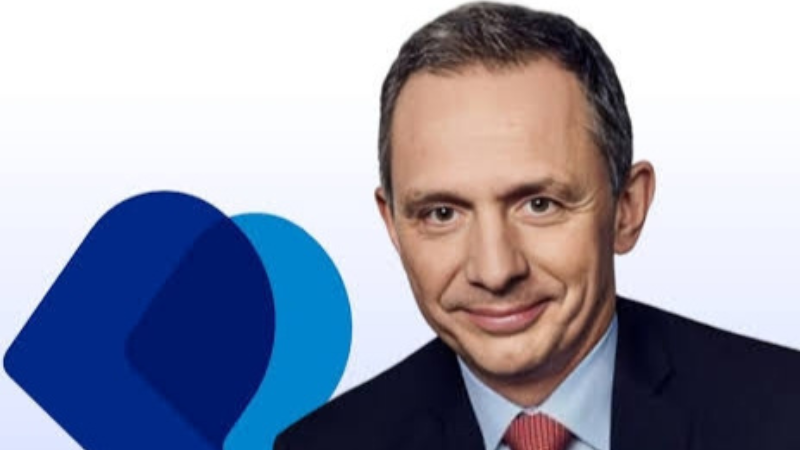
PayPal Holdings recently underwent a significant restructuring, dividing its operations into three distinct units. This strategic move, spearheaded by new President and CEO Enrique Lores, is designed to enhance the company's agility, clarify accountability, and accelerate the development of new ideas, especially in an environment of slowing growth and heightened competition. Lores, who assumed leadership on March 1, 2026, brought a focus on reducing complexity and driving execution from his previous role at HP. His core philosophy for PayPal centers on simplifying team workflows, enforcing greater accountability, and re-emphasizing foundational relationships with merchants and consumers.
The new structure replaces an often overlapping setup with three clearly defined and focused segments:
1. Checkout Solutions & PayPal: This unit encompasses the core PayPal wallet and the ubiquitous “Pay with PayPal” button utilized by merchants. Led by Frank Keller, its primary objective is to refine the central checkout experience and intensify efforts to capture more e-commerce transaction volume.
2. Consumer Financial Services & Venmo: Venmo, with its substantial and youthful user base built around convenient peer-to-peer transfers, now operates as its own dedicated unit. This separation is intended to empower the Venmo team to develop more comprehensive financial features, such as credit or banking tools, without direct competition or resource allocation conflicts with the main PayPal business. Alexis Sowa is currently serving as the interim lead, and this organizational shift has sparked speculation about a potential future spin-off or greater independence for Venmo.
3. Payment Services & Crypto: This represents a particularly notable change, consolidating Braintree (PayPal's developer-centric payments gateway), small and medium business (SMB) processing, other platform services, and all cryptocurrency-related initiatives, including PayPal’s proprietary stablecoin, PYUSD. Jeff Pomeroy has taken on the interim leadership of this unit. By establishing this as a fully standalone division, PayPal signals a departure from treating crypto and merchant infrastructure as mere experimental projects; instead, they are now core business areas with their own dedicated targets and resources, operating alongside the company's traditional functions.
PayPal's decision to cut bureaucracy and sharpen accountability stems from years of product expansion and acquisitions, such as Braintree and Venmo, which inadvertently created layers of decision-making that often led to delays and ambiguous responsibility. The new framework assigns clear profit-and-loss responsibilities to each unit, granting leaders dedicated teams and budgets. This newfound autonomy is expected to accelerate initiatives, such as the integration of Braintree’s tools with PYUSD to facilitate cheaper and faster settlements for merchants, unburdened by constant competition for priority against consumer-facing applications. Lores' emphasis on tighter execution suggests that fewer approval layers will lead to quicker product updates and more effective responses to new competitor offerings, whether in real-time payments or embedded finance.
This restructuring is critical for addressing PayPal’s cooling financial performance. Revenue growth decelerated in 2025, particularly within the high-margin branded checkout business. Online transaction growth fell to low single digits in some quarters, aggravated by softening e-commerce in key markets and intensified competition from players like Apple Pay, Google Pay, Buy Now, Pay Later (BNPL) services, and newer payment processors.
Elevating crypto to its own unit sends a clear message: blockchain is no longer a peripheral interest. PYUSD offers merchants and users a stable means to transfer money, potentially with reduced costs and expedited settlement compared to traditional systems. When combined with Braintree and SMB tools, it could unlock opportunities for improved cross-border payments, programmable functionalities, or on-chain services that conventional financial systems struggle to provide. Instead of crypto initiatives being deprioritized during budget constraints, this unit now has dedicated leadership focused on transforming them into tangible revenue streams. This could reposition PayPal beyond merely a familiar checkout button, making it a crucial infrastructure provider for merchants navigating an increasingly digital asset and tokenized payment landscape. Similarly, Venmo’s independence should enable its team to innovate with offerings tailored to its social, younger demographic without impeding the main business.
However, such sweeping changes are not without potential challenges. The fact that several top roles began as interim appointments could introduce short-term confusion. A deeper dive into crypto also necessitates navigating an evolving regulatory environment for stablecoins. Furthermore, an overly clean separation of teams might inadvertently diminish beneficial synergies between consumer and merchant segments, underscoring the ongoing importance of inter-unit coordination. For investors, running the units separately should provide clearer financial metrics on the performance of Venmo and the crypto business. This increased transparency could aid in a more accurate market valuation for PayPal or highlight areas requiring improvement. Ultimately, the message is unequivocal: Lores is determined to re-energize the company.
After more than 25 years of building a robust market position, PayPal now faces the dual challenges of slower growth and formidable competition. This three-unit split represents a pragmatic effort to reduce organizational drag, instill clear accountability, and provide high-potential areas like crypto infrastructure the necessary space to develop. Whether this strategy ultimately accelerates innovation and boosts financial results will become apparent in the coming quarters. Nevertheless, the direction is clear: PayPal aims to transition from defending an established, aging core business to more aggressively investing in specialized consumer tools and blockchain-backed merchant services as key drivers of future growth.