Autism and Culture: Are African Traditions Helping or Hurting?
Read about how African traditions shape perceptions of autism; from stigma and delayed diagnosis to communal support and cultural evolution. Learn the path toward awareness, acceptance, and inclusion.
Introduction
In our everyday life today, many individuals—both young and old, male and female alike—in African society are stigmatized for one circumstance or another, whether it was a result of their own actions or not. This stigmatization has become deeply rooted in the behavior of the average African community, where people are quick to offer opinions and judge their neighbors.
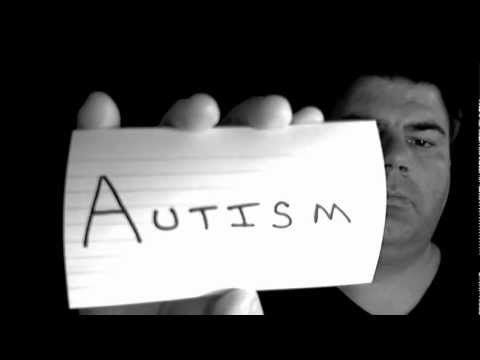
Yet, this reality does not erase the strong sense of communal living and oneness that has historically defined African society. Among the many conditions quietly subjected to this stigma is AUTISM—a silent thief of joy for many families, who often believe it deprives their loved ones of the ability to fully socialize and integrate with the public.
Autism,as defined by Wikipedia, is a condition characterized by differences or difficulties in social communication and interaction, a need or strong preference for predictability and routine, sensory processing differences, focused interests, and repetitive behaviors.
Also known as Autism Spectrum Disorder (ASD), it is classified as a neurodevelopmental disorder requiring professional assessment, because individuals with this condition display significant challenges in multiple areas of daily life. These challenges are often greater than what would typically be expected for a person’s age and social environment. It is important to note that autism is not a disease but a lifelong condition, and understanding it is crucial for meaningful social integration.
Research has shown that autism is highly heritable and involves many genes, while environmental factors play a smaller, mostly prenatal role. Boys are diagnosed several times more often than girls, and co-occurring conditions such as anxiety, depression, Attention Deficit Hyperactivity Disorder (ADHD), epilepsy, and intellectual disability are more common among autistic individuals. These overlapping conditions often complicate the challenges faced by families and may deepen the stigma attached to the diagnosis.
This raises a pressing question: Are Africans and African traditions helping or hurting individuals and families living with autism? Can autistic individuals truly thrive in an African society that often views them through the lens of stigma and misunderstanding, or are they being relegated to the background in ways that stifle their potential and humanity?
The Weight of the Stigma
African society, at its barest minimum, is still heavily driven by superstition and misconceptions about various ideas, circumstances, and even human conditions. Autism is no exception. Many believe that parents of autistic children must have sinned in the past, while others think that autistic individuals are “spirit children” cursed by ancestral punishment and in need of cleansing. These myths, rooted in fear and misinformation, have shaped the way autistic individuals are perceived and treated in African communities. Instead of being seen as people deserving of support and inclusion, they are often viewed through the lens of suspicion and spiritual blame.
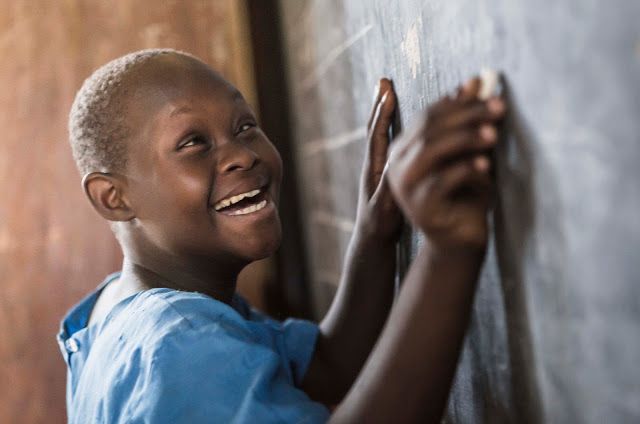
Photo Credit: pinterest
Religion has not been an exception in fueling this narrative. Across different religious backgrounds, endless notions and “spiritual explanations” about autism continue to circulate. With leaders of these groups being respected voices in their communities, their words carry weight—sometimes reinforcing harmful perceptions. Followers and worshippers take these beliefs to heart, often acting on them without question. But one must ask: are autistic individuals not human? Do they not deserve dignity, empathy, and equal treatment like everyone else, regardless of whether they are related to us or not?
Even when the stigma does not make headlines or appear on the streets in obvious ways, its effects are deeply felt. Autistic individuals often live with feelings of isolation and shame, enduring social rejection that is rarely acknowledged. This quiet exclusion shapes their self-esteem and long-term wellbeing.
Children, in particular, face unique struggles when their parents fail to seek early diagnosis, often dismissing their challenges as mere “stubbornness,” “slow-wittedness,” or “shyness.” Many of these children grow up misunderstood, unsupported, and in some cases, completely demoralized. Over time, this lack of recognition not only delays interventions that could help but also compounds the emotional scars carried into adulthood.
Delay in Medical and Educational Support
In many African societies, the average person often prioritizes spiritual or traditional remedies long before consulting medical professionals. Against this backdrop, therapy and specialized care are rarely the first choices for families. Although this narrative is slowly shifting as more individuals begin to embrace medical and psychological support, the long-standing disregard for such services has already caused significant harm. By the time families turn to professional help as a last resort, the condition may have escalated beyond what could have been managed earlier. This delay often reduces the chances of effective intervention and increases the long-term challenges autistic individuals face.
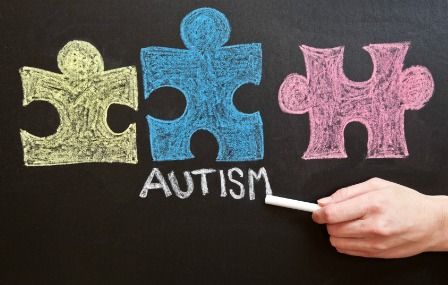
Photo Credit: pinterest
Early diagnosis of autism is crucial, not only for the individual but also for their families. Recognizing the condition at an early stage helps parents and caregivers learn strategies to manage autism effectively. It allows autistic individuals to integrate into the larger society with fewer social barriers and better coping mechanisms. On the flip side, delayed diagnosis can be life-altering and, in many cases, life-threatening. Without timely care, these individuals miss out on essential therapies and support systems that could have significantly improved their quality of life.
Equally important is preparing for the educational and social needs of autistic individuals. Schools and communities must be structured in ways that accommodate their unique requirements while still fostering inclusion. Special schools are valuable for addressing specific deficiencies, but they should not become tools of segregation.
Instead of hiding autistic children away from the outside world, society must create a balanced approach where their needs are met without erasing their right to visibility and dignity. Inclusion, not isolation, should guide the policies and programs aimed at supporting them. When autistic individuals are supported in mainstream environments alongside tailored assistance, they are more likely to thrive, contribute, and feel a sense of belonging.

The Positive Side of Traditions
African societies have long thrived on communal relations, cultural ties, and extended family systems. These structures form the backbone of social life, ensuring that no individual is left entirely on their own. Before modern systems of healthcare and social welfare, this communal model helped families navigate difficult circumstances, share responsibilities, and provide emotional and material support.
If these traditions are preserved and strengthened, autistic individuals can also benefit immensely from such networks of care. The culture of communal living should not be discarded in the face of rapid urbanization and the growing tendency toward individualism. True achievement is not only about personal success but also about maintaining healthy and supportive relationships that uplift vulnerable members of society.
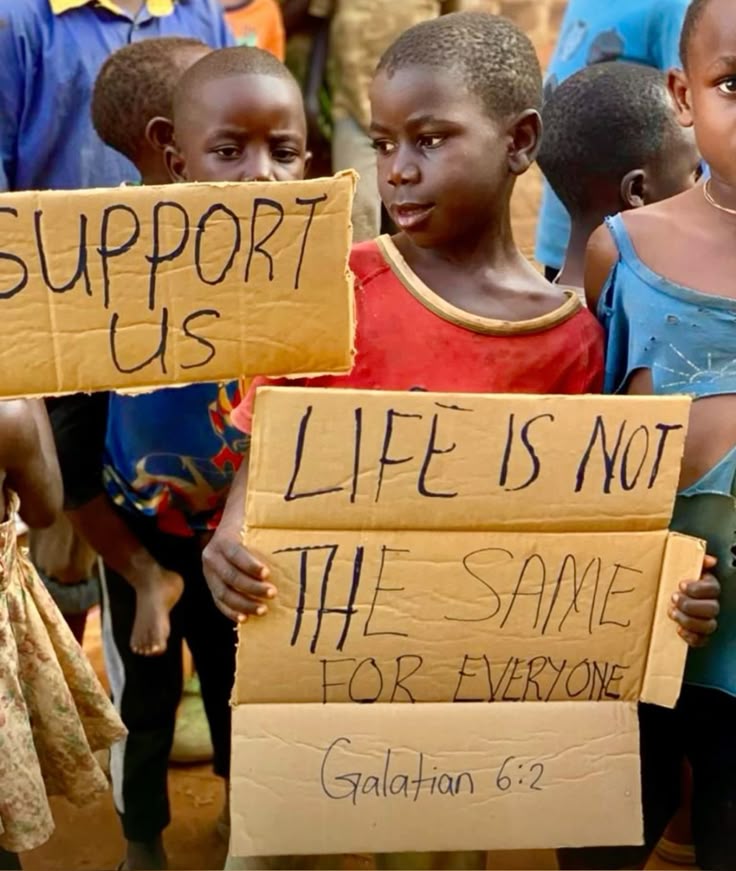
Photo credit: pinterest
Community support has the power to ease the immense pressure on parents raising autistic children. When families, neighbors, and extended kin rally around, the sense of isolation that many parents feel is significantly reduced. Shared caregiving, collective understanding, and empathy can transform the experience of raising an autistic child from one of silent struggle into a shared responsibility. Moreover, when entire communities accept autistic individuals, it helps foster environments of inclusion rather than exclusion.
The benefits of such cultural practices cannot be overstated. Beyond easing parental burden, communal support promotes acceptance, combats stigma, and provides autistic individuals with a sense of belonging. This traditional model of care, if nurtured alongside modern medical and educational interventions, could create a more balanced approach, one where families do not feel abandoned and autistic children can thrive with both love and professional support. In many ways, Africa’s cultural heritage already carries the tools for inclusion; it only needs to be recognized and intentionally applied to the challenges of autism.
Where Culture Hurts More Than It Helps
Culture, although a great tool for social inclusion and support, has in many ways created barriers for individuals on the autism spectrum. These barriers range from subtle biases to deeply ingrained practices that limit acceptance and growth.
1. Social Exclusion:
Instead of being embraced, many autistic individuals are often isolated within communities.
2. Spread of Misinformation:
Cultural beliefs sometimes fuel harmful myths about autism. Some communities wrongly attribute autism to spiritual curses, witchcraft, or parental wrongdoing.
3. Stigmatization:
Autistic children and adults often face stigma because their behaviors do not conform to cultural expectations of “normality.” Families may feel embarrassed, and community members may mock or pity the child. This stigma discourages open conversations and acceptance, making it harder for autistic individuals to live fulfilling lives.
4. Pressure on Parents to Stay Silent:
Many parents of autistic children feel pressured to remain silent about their child’s condition, fearing judgment or ridicule.
This and more has deprived many autistic individuals, many of whom are exceptionally talented, from contributing fully to society. The irony is that while culture can uplift, it can also silence voices that deserve to be heard. For true progress, these harmful aspects of tradition must be challenged and replaced with compassion, knowledge, and openness.
A Path Forward: Transforming Tradition
The African society has a lot to contribute in creating a better environment for autistic individuals, especially through the influence of religious leaders, cultural icons, and community elders. Religious leaders, in particular, hold a powerful position in shaping beliefs and attitudes. By educating their followers and speaking openly about autism as a neurodevelopmental condition rather than a spiritual curse, they can help dismantle myths and change harmful narratives that persist in many communities.
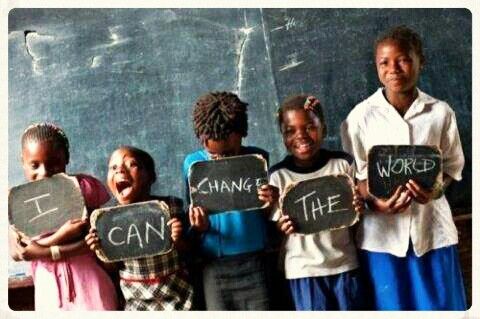
Photo credit: Pinterest
Furthermore, the strengths of African traditions, such as communal living, shared responsibility, and extended family systems, can be harnessed to support autistic individuals. When families and communities work together, children on the spectrum can receive more consistent care, patience, and attention. This not only reduces the overwhelming burden placed on parents but also provides autistic individuals with opportunities to learn, interact, and thrive within supportive networks.
So, the real question remains: are traditions truly helping, or are they standing in the way of progress? And if they are not helping, how can they be reshaped to ensure full social inclusion for autistic individuals? The answer is not in abandoning our customs, but in evolving them. Culture is meant to serve humanity, not confine it. What is needed is cultural evolution—transforming traditions into tools of empathy, education, and empowerment rather than barriers.