Ondo Plane Crash Aftermath: Communities Grapple With Pollution, NAF Launches Probe Into Tragic Incident
The Nigerian Air Force has convened a 12-member specialist board to investigate the tragic crash of its ATR 42 aircraft in Igbokoda, Ondo State, which killed 25 on October 5. While search and recovery efforts continue, the incident has caused significant water pollution and humanitarian concerns in the local community, prompting calls for urgent environmental cleanup and support for affected families.
The Nigerian Air Force (NAF) has launched a comprehensive response following the tragic crash of its ATR 42 aircraft, NAF 931, at Igbokoda, Ondo State, on October 5.
The incident, which claimed the lives of 25 persons on board, has prompted both sustained search and recovery efforts and a thorough investigation into its circumstances and causes.
To unravel the details surrounding the crash, the Chief of the Air Staff (CAS), Air Marshal Sunday Kelvin Aneke, directed the constitution of a 12-member specialist Aircraft Accident Investigation Board.
The Air Vice Marshal FO Ankeli serves as the President of this board, while Air Vice Marshal EOE Ebiowe coordinates the wider response as the Head of the Investigation and Recovery Team.
The board comprises experienced personnel with specialist expertise spanning aviation operations, flight safety, piloting, air traffic control, aircraft engineering, and maintenance, and includes representatives from the Nigerian Civil Aviation Authority (NCAA) and the Nigerian Safety Investigation Bureau (NSIB).
Its mandate is to systematically examine relevant operational, technical, environmental, human, and organizational factors, document evidence, establish facts, determine immediate and underlying causes, and make evidence-based recommendations to enhance aviation safety and prevent future occurrences.
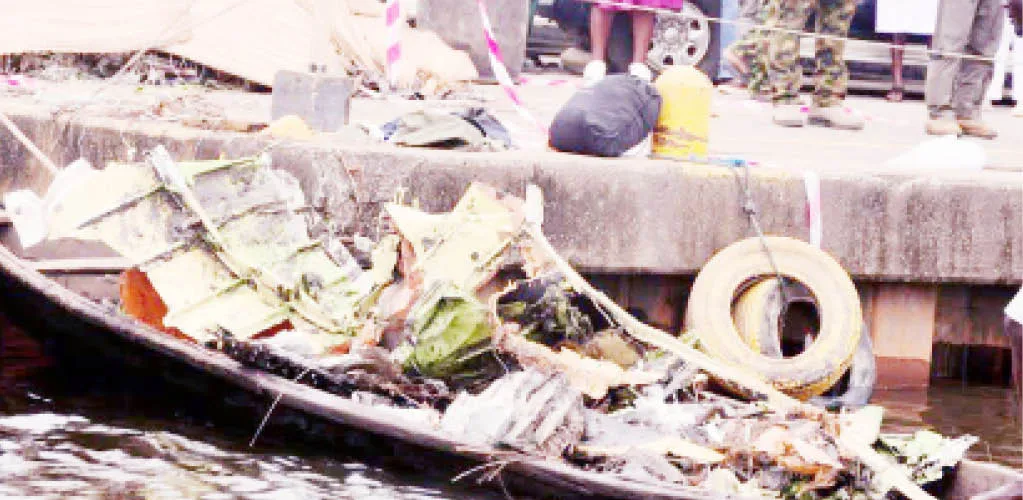
Search and recovery operations at the crash site in Igbokoda have faced significant challenges due to the swampy terrain and deep mud.
The rescuers have revised their strategy by raising embankments around the crash area using swamp buggies.
This method helps to limit water inflow, excavate heavy mud, and improve access for divers and rescuers to reach submerged parts of the aircraft. Naval officials are also assisting, utilizing Geological Information Systems (GIS) to map the area and facilitate access to the wreckage.
While efforts continue to remove trees and debris, the main body of the aircraft is yet to be located, believed to be deeply submerged in the swamp.
The primary focus of the operation has shifted to locating the plane's black box and retrieving any remaining human remains, though only pieces of human body parts and broken aircraft components have been recovered so far.
Beyond the immediate operational and investigative responses, the crash has sparked significant humanitarian and environmental concerns within the Igbokoda community.
The traditional ruler, Afolabi Odidiomo, and residents like Benjamin Omoyele have reported severe pollution of the community's primary water source due to decaying bodies, oil, and other contaminants from the wreckage.
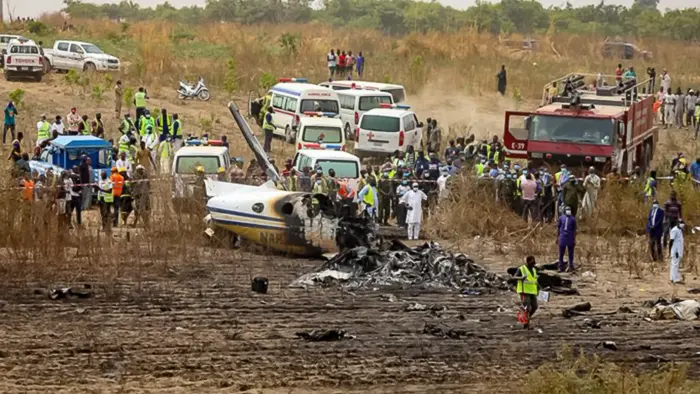
This pollution has rendered the water unsafe for drinking and domestic use, created an unbearable stench, and led to the death of fish. The crash also destroyed economic trees, which are vital for the community's livelihood.
The community is urgently calling for immediate clean-up, environmental remediation and restoration, and the provision of an alternative source of clean drinking water, suggesting the government should have cordoned off the affected area to prevent wider pollution.
Conversely, some residents, like Odunsola Dada, believe that the deep, flowing nature of the river will eventually cleanse itself, reducing the perceived long-term danger.
The NAF has assured the public of its commitment to supporting the bereaved families during this difficult period, establishing a direct helpline and activating administrative processes for timely assistance.
While acknowledging the public's legitimate interest, the NAF cautions against drawing premature conclusions regarding the cause of the accident until the investigation is complete and its findings are duly considered.
The Service remains dedicated to establishing the full facts of this tragic incident, providing support to affected families, and implementing any safety recommendations that emerge from the thorough investigation.