Nutrition and Indigenous Superfoods: Rediscovering Moringa, Millet, and Fonio for Modern Diets
Africa’s ancient crops — moringa, millet, and fonio — are making a modern comeback. From nutrition to sustainability, these indigenous superfoods are redefining what healthy, homegrown eating means for a new generation.
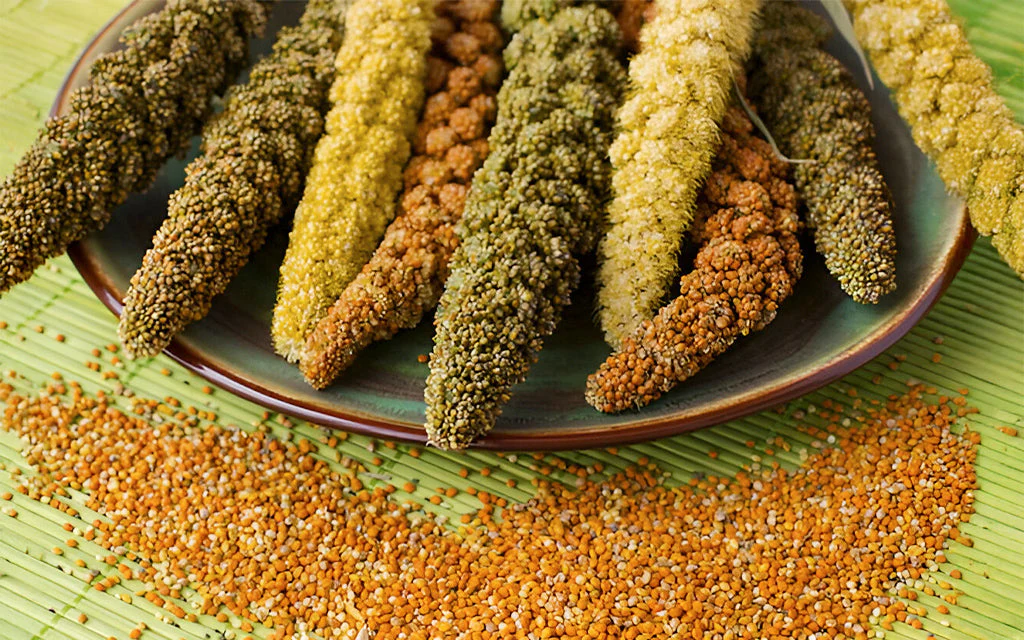
Rediscovering Africa’s Ancient Superfoods
Across Africa, people are going back to the food their grandparents ate. You see it everywhere—moringa in Nigeria and Kenya, millet in Senegal, fonio in Mali. Imported grains and processed foods ruled for decades, pushing out these traditional grains. Now they're returning, full of vitamins and a sense of pride that transcends taste.
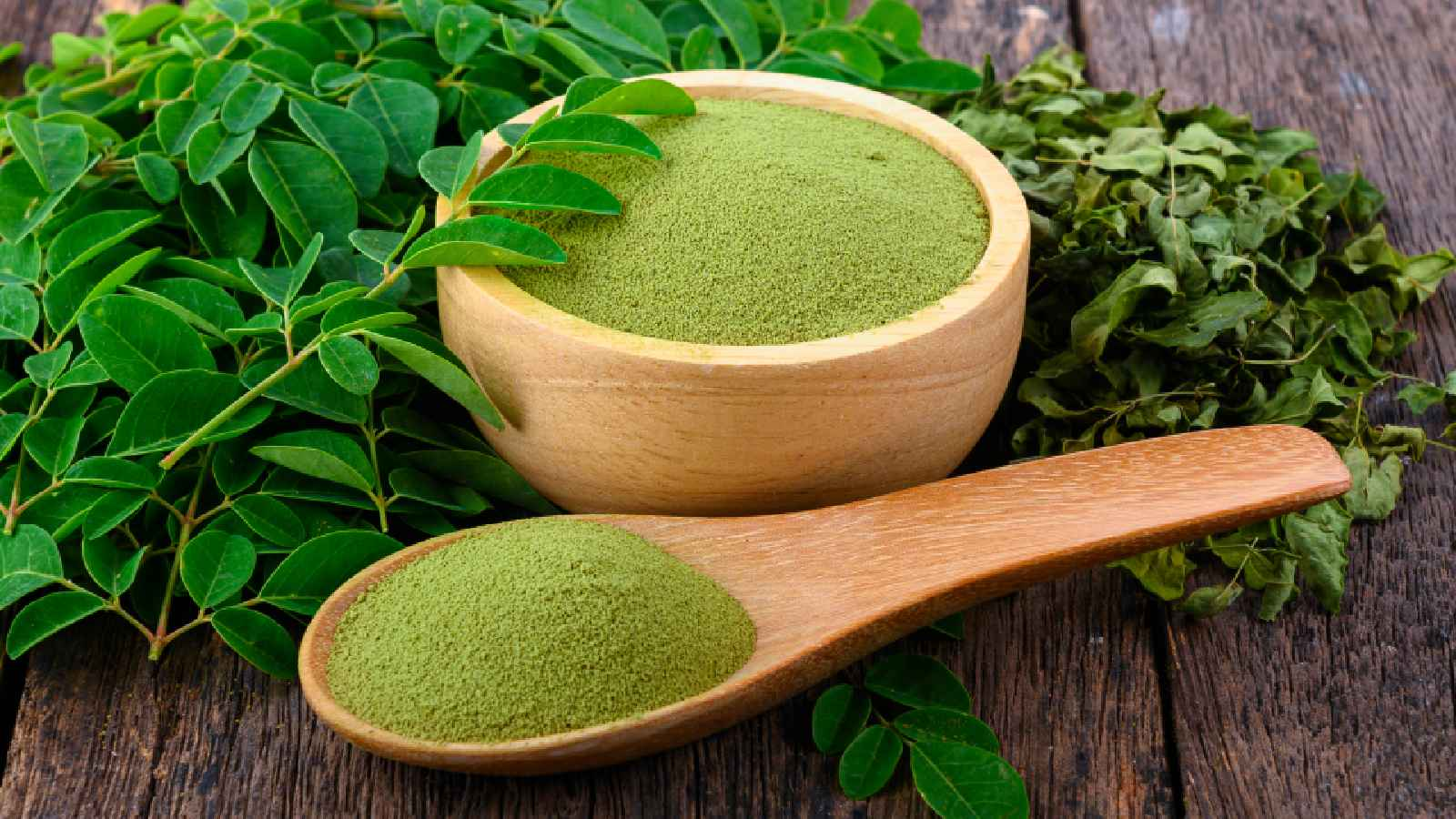
Let's talk about moringa first. People don’t call it “the miracle tree” for nothing. Its leaves are full of iron, calcium, vitamins A and C, and a surprising amount of protein. In rural areas, moringa has always been a go-to—stirred into soups, used as medicine, part of everyday meals. Lately, it’s everywhere: in smoothies, teas, and those sleek green tins in health shops from Lagos to London.
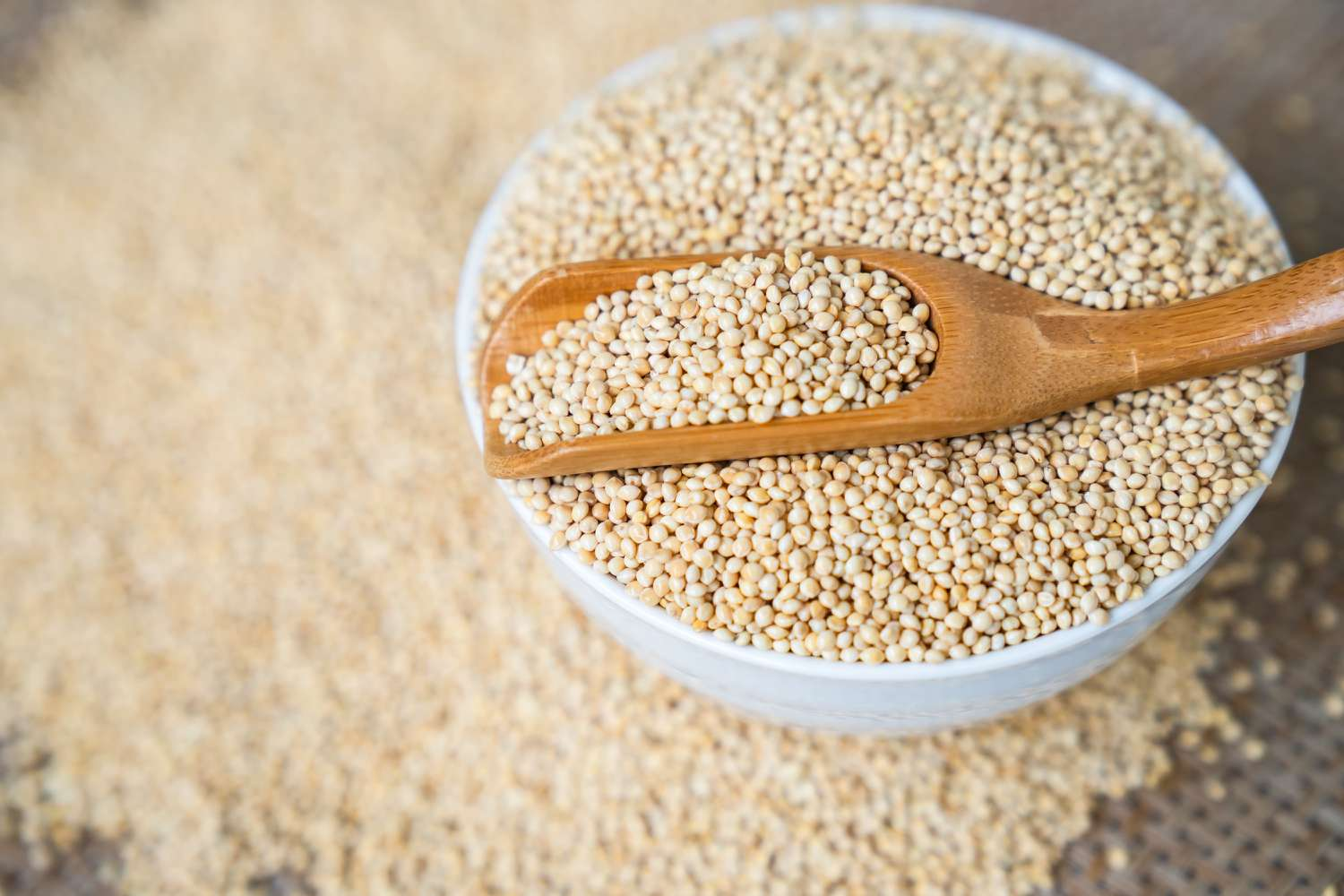
Millet’s back in the spotlight, too. It’s tough—grows where almost nothing else will. Drought, heat, bad soil, millet shrugs it off. It’s high in fiber, gluten-free, packed with antioxidants, and for centuries, it’s kept communities across the Sahel healthy. Now, chefs and nutritionists are giving millet a fresh twist. You’ll spot it in porridge, bread, even in local craft beer. It’s flexible, tasty, and actually good for you.
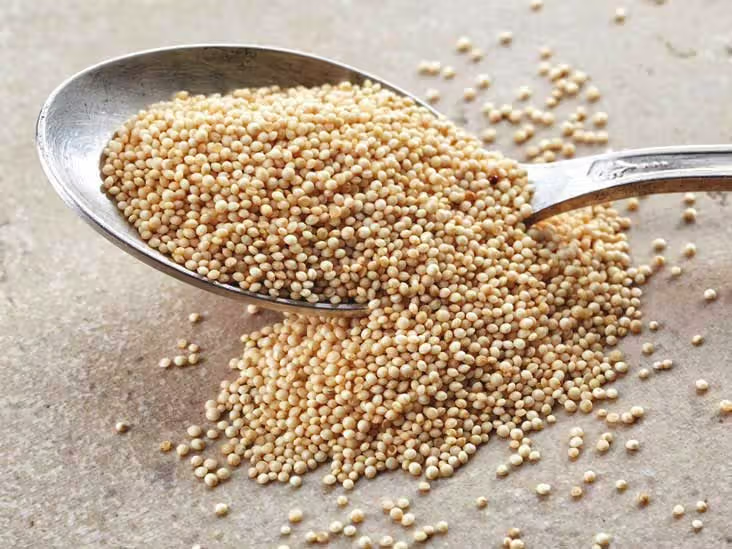
Then there’s fonio, probably the oldest grain in West Africa. People have grown it for ages in places like Guinea and Senegal. Some call it “the seed of the universe.” Fonio is not only an heirloom—it's a small but mighty grain, rich in amino acids and minerals. It takes seconds to cook, boasts a delicate nutty taste, and seamlessly fits into busy, health-conscious lives.
But it's not about nostalgia for the past. This is about actually being in control of what's out there. Diets have been dependent for too long on foreign rice, wheat, and sugar, and these basic, healthier crops have been relegated to the periphery. Bringing back these superfoods from the past is not just an ode to tradition—it's a genuine remedy for diseases like diabetes, obesity, and malnutrition. The return to these roots just feels right.
Nutrition Meets Sustainability
Traditional superfoods aren't only healthy for you—they're a planet saver, too. Look at millet and fonio. These crops barely require water, do not depend on chemical fertilizers, and continue to grow in dry, obstinate soil. For farmers facing climate change and famine, they are a lifeline.
In the Sahel, you can see the shift happening. Farmers are switching from foreign rice to millet, as their grandparents did. The reason is given by a Senegalese agronomist working with local co-ops:"It's about resilience. Our ancestors knew this land better than we believe." These grains are built for Africa’s climate.
This isn’t just some quiet throwback. Grassroots are doing their best, and now big organizations are chipping in, as well. The FAO and the African Development Bank are putting money into initiatives that put indigenous grains front and center. And if you missed it, the United Nations officially declared 2023 the International Year of Millets—long overdue for a small amount of international recognition for these humble grains.
There's also an entrepreneurial wave sweeping across Africa, as well. In Ghana and Nigeria, startups are launching moringa teas, fonio breakfast cereals, millet snacks—the kind of stuff that appeals to city folks and the African diaspora. Social media caught on as well. Food bloggers and chefs are reimagining old recipes, giving them a contemporary twist, making them become dishes that feature on anyone's Instagram.
But truly, it is more than what ends up on your plate. Supporting indigenous crops equates to more resilient local economies and more diverse biodiversity. By reawakening these abandoned grains, Africa is taking back its agricultural heritage—and its right to decide what it feeds its people.
From Tradition to Global Trend
Suddenly, the world can’t get enough of African superfoods. Health stores in Europe and North America carry moringa powder like it’s the next big thing. Fancy restaurants in New York and Paris serve fonio with the same pride once reserved for quinoa or farro. But with all this excitement, the old question pops up: who really wins when demand takes off? How do African farmers cash in on this moment—without giving up their traditions?
Chef Pierre Thiam, who’s been championing fonio for years, has a pretty clear answer. He says Africa needs to keep more of the process at home. Don’t just ship out raw crops. Process them. Package them. Build brands that belong to the continent. That way, Africa doesn’t watch its own food story get rewritten elsewhere.
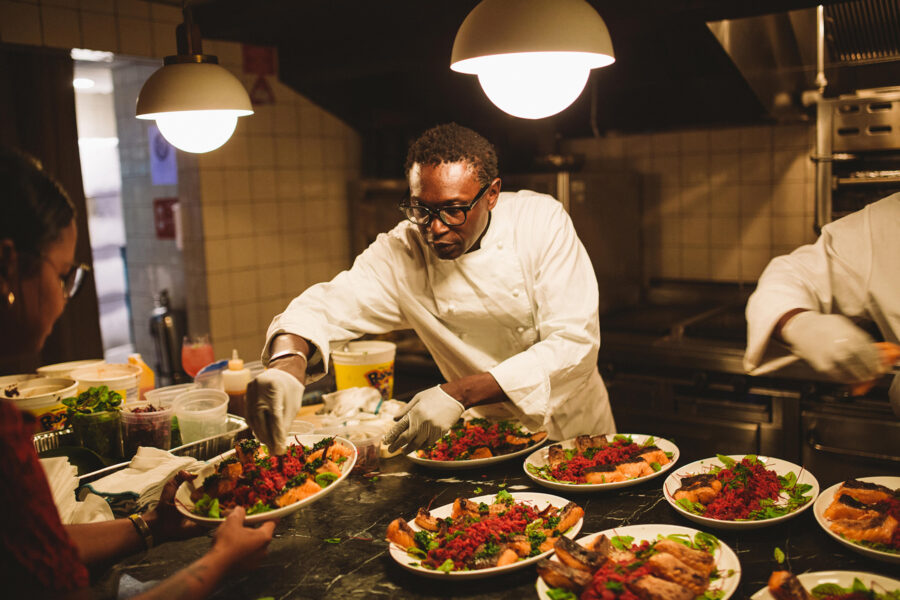
Also in one of the interviews,he stated that bringing back ancient grains like fonio isn’t just about eating healthy. It’s about reconnecting with who you are. “Fonio kept our ancestors going for thousands of years,” he said. “It’ll grow in places where nothing else will. It’s smart for the climate, and yeah, it’s deeply African.” Thiam works with small farmers in West Africa, and he’s not just trying to turn fonio into the next trendy export. For him, it’s about sparking local pride and helping communities thrive. Thanks to his push, fonio has gone from being this old-school village grain to something you’ll spot on fancy menus everywhere—Dakar, New York, you name it.
And you can see this shift happening. In Nigeria, small co-ops turn moringa leaves into powder that meets export standards. Over in Burkina Faso, women’s groups grind fonio into flour for both local shops and bigger markets. This isn’t just about business. These projects give rural communities a bigger voice and turn Africa into a real player in the world of sustainable food.

For anyone reaching for that bag of moringa or ordering fonio salad, the choice is about more than nutrition. It’s a nod to heritage, a way to respect old wisdom while tackling today’s problems—food insecurity, health, climate change, all of it.
Indigenous superfoods are shaking up diets—and honestly, they’re giving rise to a whole new kind of agro-entrepreneurship in Africa. Young farmers and small producers aren’t just sticking to the old ways. They’re turning moringa leaves into tea, grinding up fonio for gluten-free flour, even making millet energy bars that end up overseas. It’s not just about eating better. These businesses are opening up jobs and letting more people profit right in their own communities. Take Senegal and Ghana, for example. Women-led cooperatives there are at the forefront, showing everyone that traditional crops can power healthier lives and boost local economies at the same time.
As cities across Africa grow and eating habits shift, the comeback of foods like moringa, millet, and fonio feels like a homecoming. Maybe the future of nutrition isn’t about inventing something new. Maybe it’s about going back to the seeds and recipes that have always sustained people, and letting those traditions lead the way.