Nigerian Economy Shakes: Inflation Continues to Plummet as New Report Looms
Nigeria's headline inflation continued its decline in July 2026, dropping to 15.43 percent according to the National Bureau of Statistics. This follows a previous drop in June, with food inflation also seeing a significant month-on-month reduction. The Central Bank simultaneously maintained its interest rate at 26.50 percent amidst public perception of high prices.
Nigeria's National Bureau of Statistics (NBS) was anticipated to release its Consumer Price Index (CPI) and inflation report for July 2026, a key indicator for the nation's economic health.
Prior to the official announcement, the Central Bank of Nigeria’s (CBN) Inflation Expectation Survey, which was recently published, revealed a significant public perception of high prices for goods and services.
The survey indicated that the Inflation Perception Index stood at 40.0 points in July 2026, reflecting the general sentiment among respondents.
This upcoming report followed a period where Nigeria had recorded its first drop in headline inflation to 15.91 percent in June.
At that time, food inflation had been reported at 17.52 percent, underscoring the persistent challenges in managing price stability across various sectors of the economy.
The major drivers contributing to Nigeria’s inflation have consistently included volatile energy prices for commodities like petrol, cooking gas, diesel, and electricity.
Additionally, factors such as the exchange rate, interest rates, transportation costs, and prevailing insecurity have been identified as significant pressures on the cost of living.
Upon the release of the official figures, the NBS confirmed that Nigeria's headline inflation continued its downward trend in July 2026, further dropping to 15.43 percent.
This marked a notable decrease from the 15.91 percent recorded in June, signaling a second consecutive month of decline.
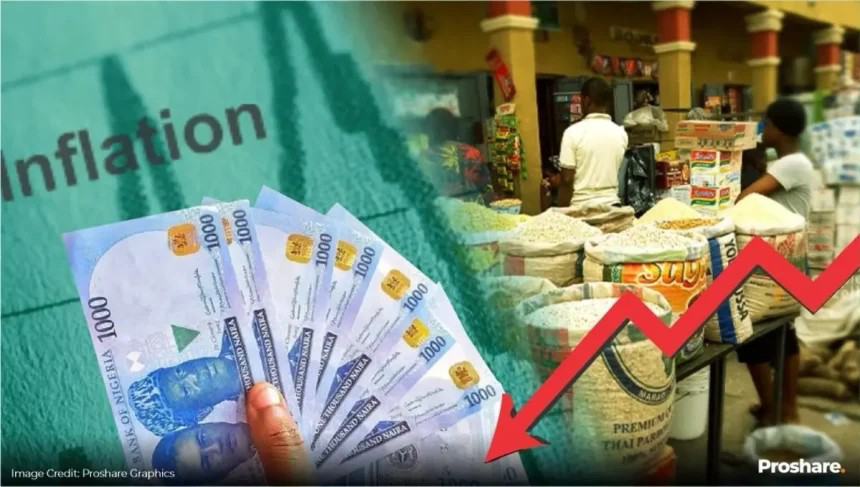
Furthermore, the report detailed that on a month-on-month basis, the headline inflation rate in July 2026 was 1.57 percent.
A significant positive development was observed in the food sector, where the food inflation rate stood at 5.56 percent on a month-on-month basis for July 2026.
In a related development concerning monetary policy, the Central Bank of Nigeria’s Monetary Policy Committee, during its July meeting, made the decision to retain the country’s interest rate at 26.50 percent.
This decision, alongside the declining inflation figures, provides a comprehensive picture of Nigeria's efforts to stabilize its economy amidst ongoing challenges and public expectations regarding price levels.