Nigeria’s Rental Crisis: House of Representatives Moves to Cap Rent Hikes at 20%
Nigeria's rental market has been under intense pressure, and now lawmakers are stepping in. The House of Rep. has called on the FG to work with State Governments to regulate
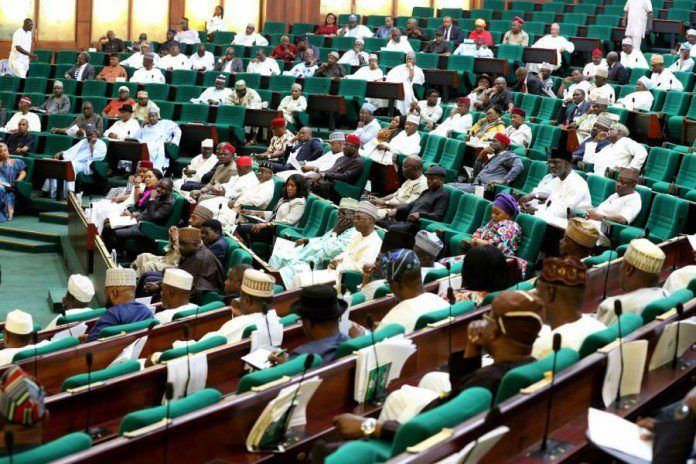
Rental accommodation has become a major pressure point in Nigeria’s cost-of-living crisis. For many households especially low and middle-income families, surging rents are squeezing budgets, undermining stability, and contributing to hardship. In response, the House of Representatives has taken a landmark step: calling on the federal government to work with states to regulate rent levels and curb arbitrary increases. Under the adopted resolution, rent increases should not exceed 20% of the existing rate, regardless of infrastructure improvements or other changes.
What happened?
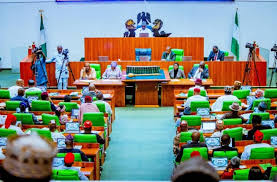
On Thursday, 23 October 2025, the House of Representatives adopted a motion sponsored by Bassey Akiba, current member representing Calabar Municipal/Odukpani federal constituency (Cross River State)at the House of Representatives titled “Need to Regulate Arbitrary Rent Increase and Protect Tenants from Exploitation”. Akiba highlighted how public infrastructure improvements, new roads, markets, utilities often trigger sudden and massive rent hikes in nearby neighbourhoods. For example, he cited parts of the Federal Capital Territory (FCT) where rent reportedly rose from ₦800,000 to ₦2.5 million per annum following new road construction. The resolution directs the federal government (via the Federal Ministry of Housing and Urban Development) to collaborate with state governments to:
Enforce rent control measures.
Invest in affordable housing to relieve pressure on the rental market.
Mandate the House Committee on Housing and Habitat to monitor compliance and report within four weeks.
Many renters are facing ballooning costs just as economic pressure mounts, inflation, job insecurity, rising utility costs. Rent increases well above income growth threaten housing stability, push families into precarious conditions, or even drive some into informal or unsafe housing. The 20% cap proposal offers a clear limit, a potential tool for protection and predictability.
Property owners argue they need flexibility: improved amenities, markets, roads can legitimately enhance property value. The challenge is balancing rightful returns with fairness. For states and cities, uncontrolled rent hikes undermine social policy, the infrastructure that should benefit residents becomes a driver of displacement or hardship.
For government and policy, housing is often described as a basic human right (for example, under the United Nations Habitat Agenda). The resolution cites Section 14(2)(b) of the Constitution of Nigeria, 1999: the government’s responsibility for welfare and security of the people. The rental market affects a large segment of Nigerians, the majority of urban households rent. Informal and unregulated rental practices (e.g., paying 2 years in advance, hidden fees) have been widely documented. Coordinated action between federal and state levels is vital, because housing policy touches state law, land use, tenancy regulation, and local infrastructure.
The federal level push is complemented by a growing number of state legislative efforts to regulate rent.
In Enugu State, the Assembly advanced a bill to amend the 2004 Landlord and Tenant Law, addressing agency fees, legal fees, and excessive rent demands.
The Delta State House of Assembly has also moved to introduce a bill to regulate rents and reduce the burden on low- and middle-income earners in Asaba, Warri, Sapele and other urban centres.
In Kogi State, a bill titled “Kogi State Tenancy Law, 2025” was presented to overhaul the Rent Control and Recovery of Residential Premises Law (2007) and establish a rent-control board.
These state-level movements suggest a nation-wide recognition of the rental challenge and a groundswell toward regulatory action.
While the resolution is a strong signal, implementation will face obstacles such as:
Legal jurisdiction and federalism: Many tenancy and landlord-tenant issues fall under state law; the federal government’s role is often policy and funding, not direct regulation of private contracts.
Enforcement mechanisms: A cap (20%) is only meaningful if monitored and enforced. Many landlords operate informally, and state monitoring bodies may be under-resourced.
Housing supply vs demand imbalance: The rental crisis does not solely stem from rent hikes, there is a genuine housing deficit, especially affordable housing. Without increasing supply, even a cap may create unintended consequences (e.g., landlords refusing to maintain properties).

Stakeholder buy-in: Landlords, real-estate developers, agents and state governments will need to align on fair regulation that protects tenants without stifling investment in housing stock.
Unintended effects: Poorly designed caps can lead to reduced investment in rental housing, deterioration of existing stock, or increased informal/illegal rentals. A balanced approach is necessary.
What comes next?
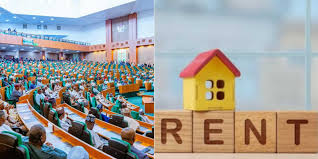
The Committee on Housing and Habitat in the House of Reps is expected to report back within 4 weeks on how this resolution can become law or policy. So, watch for the Federal Ministry of Housing’s response and any subsequent Policy or Regulatory Framework to implement the cap or national rent-control measures and monitor state legislatures, especially those that already have bills underway (Enugu, Delta, Kogi) may set precedent or pilot models.
Tenants are urged to check if their state has active tenancy laws (most do) and if proposed reforms are in play, good documentation, tenancy agreements and awareness of rights will matter. For landlords, it is better to stay abreast of proposed reforms, engage with state housing/landlord associations, and ensure compliance and transparency to avoid future legal/regulatory sanctions.
The House of Representatives’ call to cap rent increases at 20% and coordinate federal‐state action on housing is a major policy moment in Nigeria’s rental sector. If effectively implemented, it could restore some fairness and predictability to a market long skewed toward landlords at the expense of tenants.
However, the success of the measure will depend on how well it is translated into legislation, enforced on the ground, and supported by increased housing supply and stakeholder engagement. For millions of Nigerian renters already feeling the squeeze, the hope is that the resolution marks the beginning of real relief, not just another policy promise.