Nigeria Marks 65 Years of Independence: Reflection, Challenges, and the Path Forward
As Nigeria marks its 65th Independence Anniversary, President Bola Tinubu highlights economic recovery and reforms, while critics point to persistent hardships and governance challenges. Experts propose leadership disciplines of reflection, reinvention, and patient winning to build trust and achieve sustainable progress amid the nation's diverse and complex landscape. This milestone sparks widespread reflection on Nigeria's journey, achievements, and the path forward.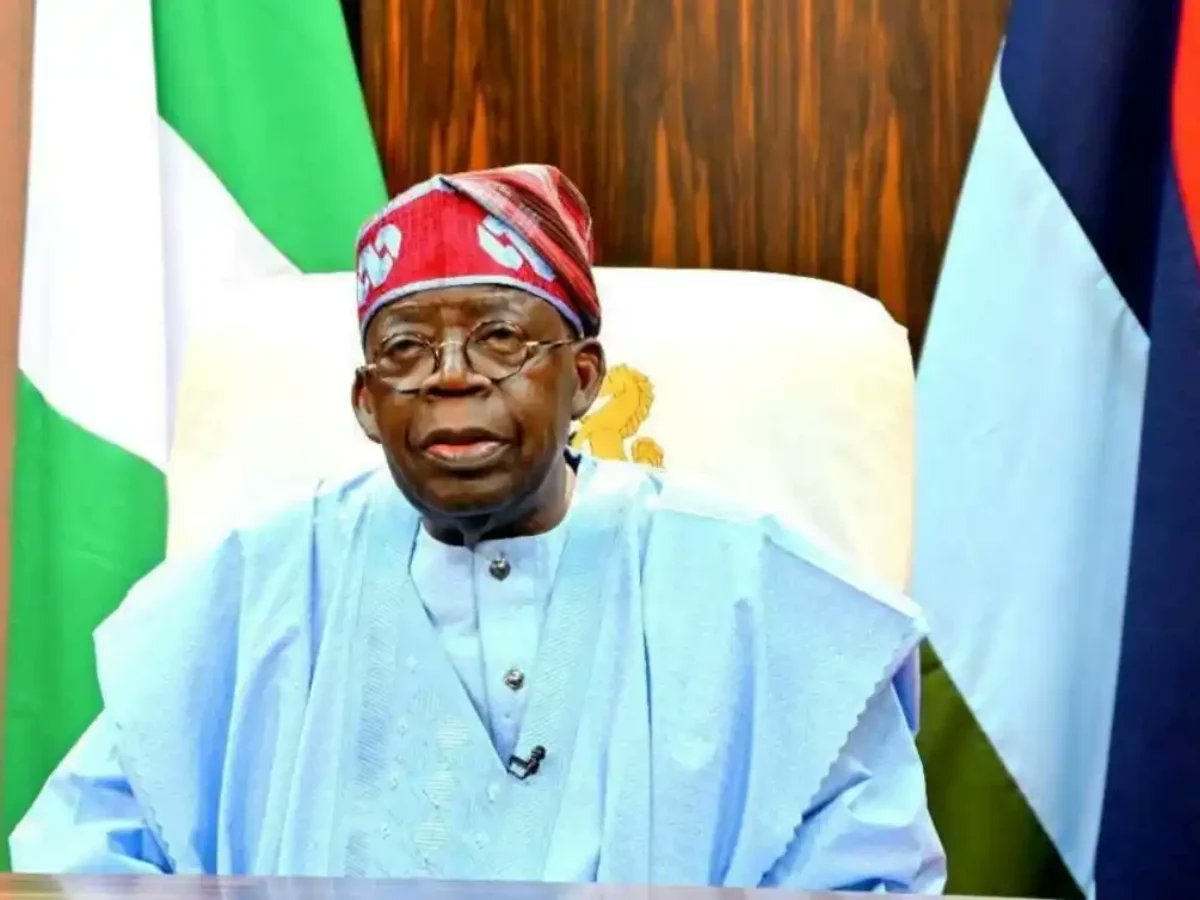
Nigeria recently marked its 65th Independence Anniversary, a moment to reflect on its journey since October 1, 1960, when the Union Jack was lowered at Tafawa Balewa Square and the green-white-green flag was raised. This historic day symbolized the nation’s entry into self-rule and the aspirations of its founding fathers for a united, prosperous, and strong country. Yet, six-and-a-half decades later, independence remains a living, evolving concept, tested by persistent social, economic, and political challenges alongside undeniable resilience and potential.
President Bola Ahmed Tinubu extended felicitations to Nigerians, framing the anniversary as a call for reflection, unity, and renewed commitment to nation-building. He highlighted recent economic reforms—removal of petrol subsidies, unification of foreign exchange rates, and investments in education, healthcare, national security, agriculture, and critical infrastructure—as evidence of progress. Tinubu noted a 4.23% GDP growth in Q2 2025, a decline in inflation to 20.12% by August, a stronger foreign reserve position at $42.03 billion, and a trade surplus for five consecutive quarters. He also pointed to rebounds in oil production, Naira stabilization, and youth empowerment initiatives like NELFUND, Credicorp, and YouthCred. The president inaugurated the renovated Wole Soyinka Centre for Culture and the Creative Arts, reaffirming Nigeria’s cultural heritage and opportunities for youth.
Despite this optimism, critics voiced ongoing concerns. Former Kaduna State Governor Nasir Ahmad El-Rufai described Nigeria as at a “difficult crossroads,” highlighting structural fragility, high multidimensional poverty, youth unemployment, surging public debt, persistent inflation, and declining voter engagement. He called for an elite consensus focused on solutions, the adoption of electronic voting for 2027, and a return to true federalism with greater autonomy and fiscal control for states.
The African Democratic Congress (ADC) criticized the APC government, citing economic hardship, rising insecurity, and declining public trust. ADC spokesperson Mallam Bolaji Abdullahi argued that promised reforms had instead intensified social pain and disillusionment. In Kano State, Governor Abba Kabir Yusuf accused the state police of partisanship after withdrawing from the Independence Day parade, condemning the act as “unethical” and disloyal.
Human rights advocate Femi Falana, SAN, offered historical context, suggesting the 1960 handover was merely “flag independence,” underscoring the need for responsible political leadership. In contrast, DJ Cuppy expressed pride in her nationality, celebrating Nigerians’ resilience and spirit.
Academic and entrepreneur Alim Abubakre characterized Nigeria at 65 as both sobering and promising. He outlined three disciplines for leaders: reflection, involving rebuilding trust, developing clear strategy, and practicing foresight; reinvention, accepting constraints, designing citizen-focused services, piloting initiatives, and fostering cross-sector ecosystems; and winning, through incremental improvements, patient systems work, and strategic decision-making to create lasting advantage. Abubakre emphasized that progress relies not on grand statements but on the “quieter craft of institutional improvement,” citing examples from Rwanda, India, Kenya, Vietnam, Indonesia, and Bangladesh.
Cultural complexity—over 250 ethnic groups and more than 500 languages—remains both a strength and a challenge. Nollywood, Afrobeats, and diaspora remittances underscore Nigeria’s global influence. Companies like Infinix continue investing in youth, education, and innovation, mirroring the nation’s drive to redefine its global role.
The 65th anniversary stands as a reminder of Nigeria’s vast human and natural resources, its imperfect but enduring democratic journey, and the collective responsibility to translate independence into prosperity, stability, and international prominence.