Nigeria Has a New Human Rights Role at the UN. Can It Meet the Test at Home?
Nigeria’s UN Human Rights Council election offers diplomatic recognition, but Lawrence Zongo’s release raises questions about human rights, security and accountability at home.
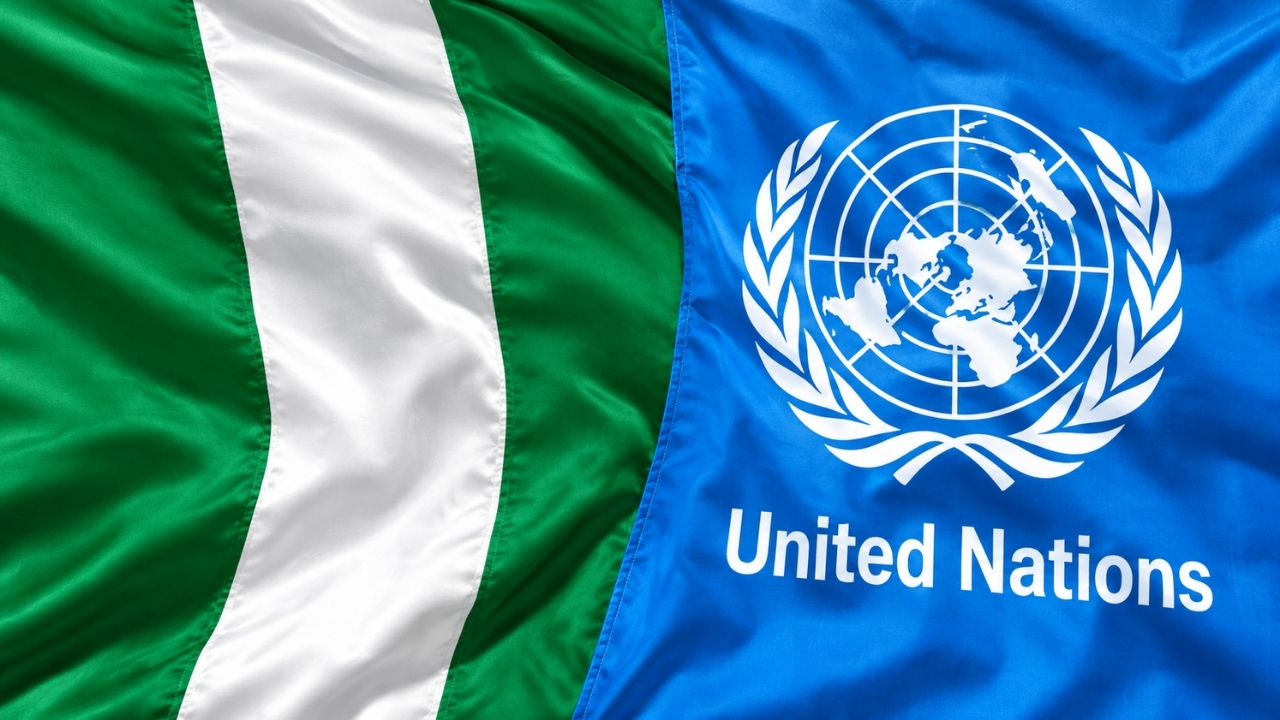
On October 13, 2026, Nigeria secured 172 of 181 votes to join the United Nations Human Rights Council for the 2027–2029 term. It is a diplomatic achievement worth acknowledging: among the countries voting, Nigeria received overwhelming support for a seat at the table where governments debate human rights, examine allegations of violations, and recommend measures for protecting fundamental freedoms.
For a country that often appears in international conversations about insecurity and governance, the result offers an opportunity to shape how the world discusses human rights. But a seat at the table is not the same as a clean record, and the real test of Nigeria’s new position begins at home.
What Nigeria’s Win Says About Its Place in the World
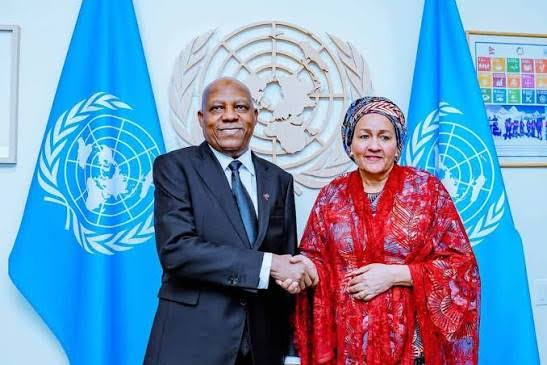
The Human Rights Council is a 47-member intergovernmental body based in Geneva. Its responsibilities include addressing human rights violations, making recommendations, and reviewing the records of all UN member states through the Universal Periodic Review.
Membership gives Nigeria a voice in these discussions and an opportunity to contribute to international decisions. It does not certify that the country has resolved its own human rights challenges, nor does it automatically give Nigerian citizens stronger protection.
Still, international identity is built partly through the responsibilities a country accepts and how it carries them out. Nigeria can use this position to advocate for human dignity, engage with other countries and demonstrate that its influence extends beyond security, trade and regional politics.
The vote is a sign of diplomatic support, but it should not be mistaken for a referendum on every aspect of the country’s domestic governance. What Nigeria does with the opportunity will shape whether the election becomes a meaningful part of its international reputation or simply another diplomatic milestone.
That question becomes harder to ignore when placed beside the case of Lawrence Zongo, an Amnesty International volunteer and human rights defender in Plateau State. Zongo was reportedly detained by the Nigerian Army on October 5 and released on October 15 after 10 days in custody. Amnesty International had raised concerns about his detention and alleged that he was denied access to his lawyer.
The Nigerian Army had not publicly explained the reasons for his detention or the circumstances of his release in reports available at the time. These allegations should be distinguished from established findings, but they raise legitimate questions about due process and accountability.
The Questions That Follow the Applause
Zongo’s release is welcome news, but release alone does not explain why he was detained, whether proper procedures were followed or what safeguards exist to prevent similar disputes. Nigeria faces genuine security threats, and the military has a responsibility to protect lives. Yet national security and respect for fundamental rights are not mutually exclusive.
Public trust depends partly on whether security institutions can explain their actions and operate within the law, especially when citizens and rights defenders raise concerns.
Nigeria’s new Council membership will not solve these issues by itself. But it gives the country another reason to ensure that its international commitments are reflected in domestic practice. The strongest contribution Nigeria can make to its global image is not simply to speak about human rights abroad, but to demonstrate their value at home. The 172 votes have opened a door; the work ahead will determine what Nigeria brings through it.