Nigeria Condemns Killing of Citizens Amid Anti-Migrant Violence in South Africa
The killing of two Nigerians during a wave of anti-migrant violence in South Africa has sparked diplomatic tensions and renewed concerns over xenophobic attacks. As calls for justice grow, the incident is raising urgent questions about migrant safety and African unity.

The reported killing of two Nigerian citizens during a recent wave of anti-migrant violence in South Africa has sparked concern and condemnation in Nigeria.
As tensions keep rising between Nigeria and South Africa which have intensified following the reported killing of two Nigerian citizens during a recent surge of anti-migrant violence.
The incident has sparked outrage in Nigeria, with government officials demanding accountability and stronger protection for foreign nationals living in South Africa.
But there was no immediate response from South Africa's government, which has contested some similar accounts from other countries. The main police watchdog said it was investigating the report.
As concerns over xenophobic attacks continue to grow, the tragedy has once again brought the challenges faced by African migrants into sharp focus and raised questions about regional solidarity and human rights.
The deaths have also reignited calls for stronger measures to combat intolerance and ensure the safety of migrants across the continent.
Many observers believe the incident highlights the urgent need for African nations to work together in promoting peaceful coexistence and protecting vulnerable communities.
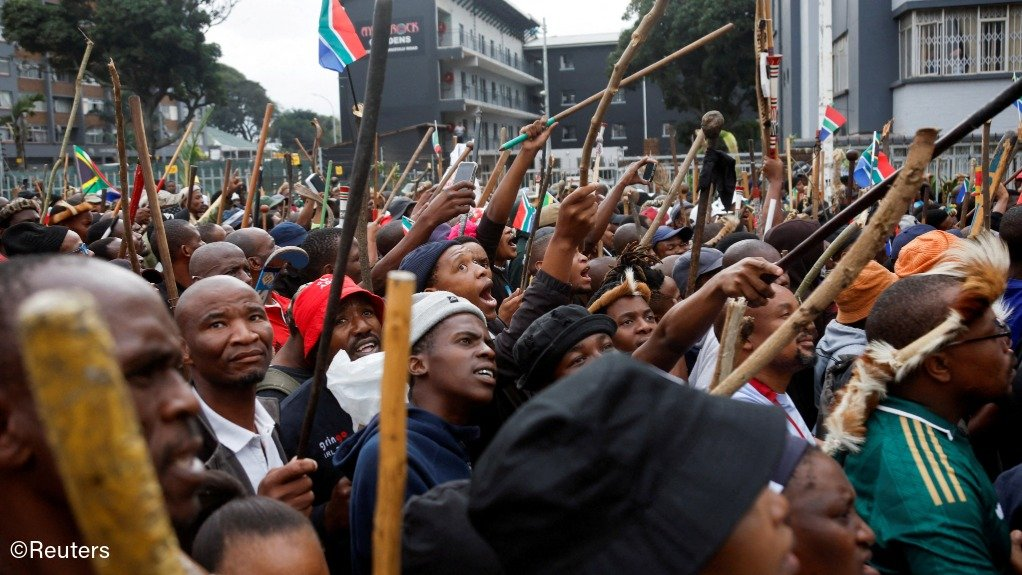
Two Nigerians Killed Amid Rising Tensions
According to Nigeria's Ministry of Foreign Affairs, two Nigerian citizens lost their lives on June 28 under separate circumstances.
One victim was reportedly killed by unidentified criminals in front of his shop in the city of eMalahleni, while another, identified as Emeka Iroegbu, allegedly died during an interrogation involving police officers in Pretoria.
Although authorities have not confirmed whether both incidents were directly linked to the anti-migrant unrest, their occurrence during a period of heightened tension has fueled concern among Nigerians both at home and abroad.
The deaths occurred as anti-migrant sentiment gained momentum across parts of South Africa, creating an atmosphere of fear and uncertainty for many foreign residents.
For affected communities, the incidents have become a painful reminder of the risks migrants continue to face.
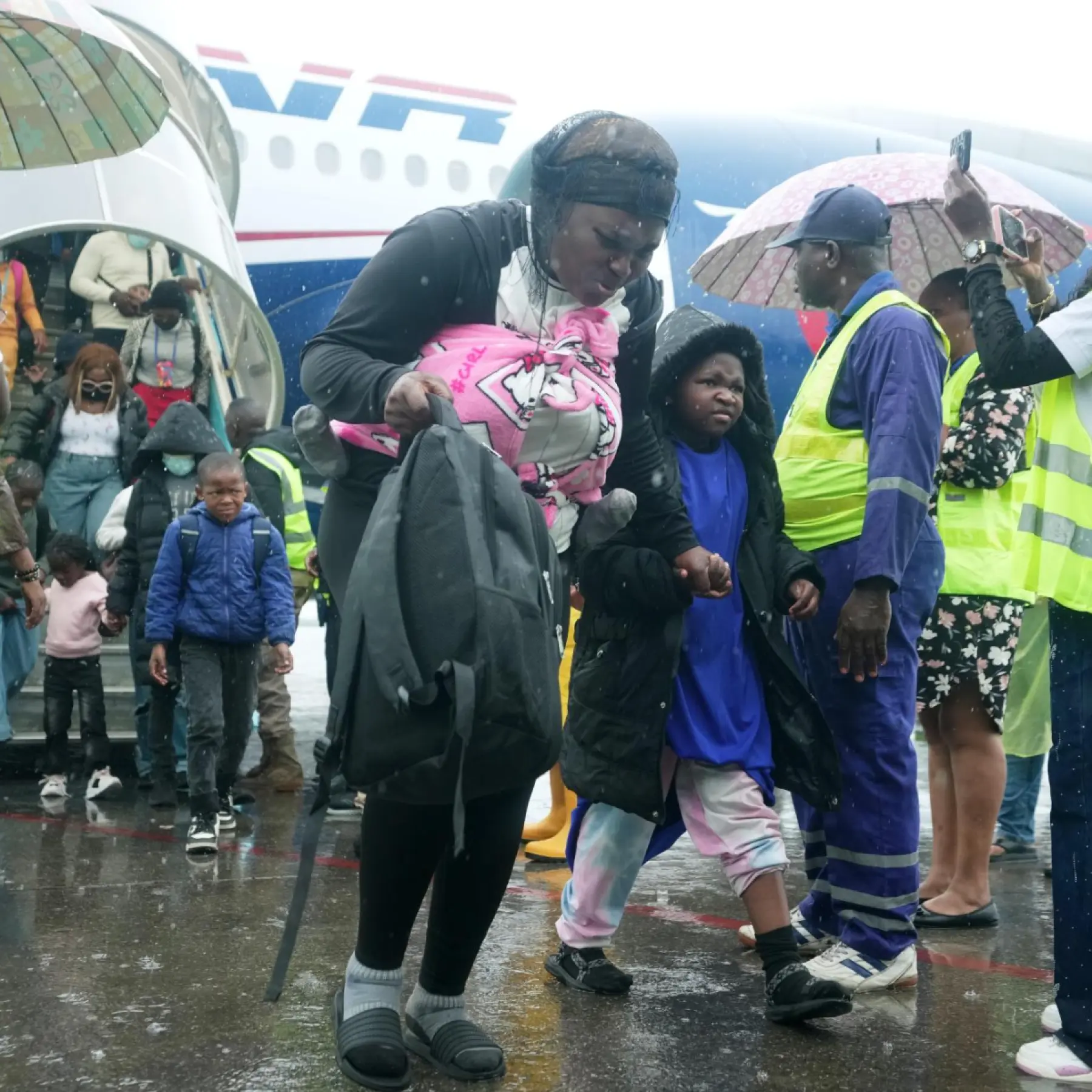
Nigeria Demands Action and Accountability
In response to the killings, Nigeria's government strongly condemned the incidents and warned that it could take further action if South African authorities fail to address the situation.
The officials expressed concern over what they described as a recurring pattern of attacks against foreigners and questioned the role of security agencies in preventing such violence.
The Ministry of Foreign Affairs argued that the continued occurrence of these incidents raises serious concerns about the safety of foreign nationals and the responsibility of the state to protect all residents within its borders.
By issuing a firm diplomatic warning, Nigeria signaled that the protection of its citizens abroad remains a matter of national importance.
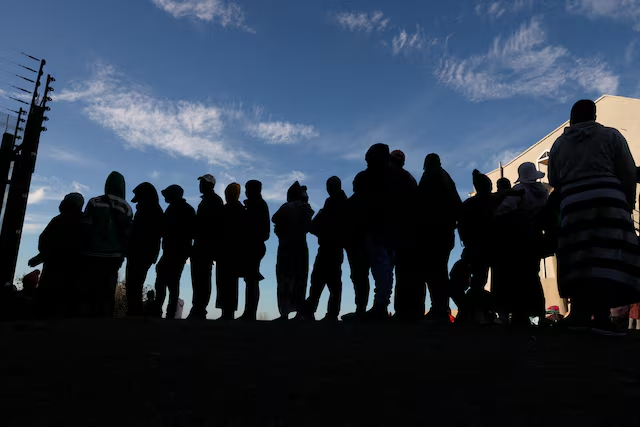
Xenophobic Violence and Regional Concerns

The latest incident comes against the backdrop of growing anti-migrant demonstrations across South Africa.
While many of the protests remained peaceful, some turned violent, leading to attacks on foreign nationals and looting of migrant-owned businesses.
The frustration over issues such as crime, unemployment, and economic hardship has often been directed at immigrants, whom some blame for the country's challenges.
However, migrant rights groups argue that foreigners are unfairly scapegoated for deep-rooted social and economic problems.
Similar concerns have also been raised by other African nations, including Mozambique and Ghana, whose citizens have reportedly been affected by recent violence.
These developments have intensified calls for African governments to work together in promoting tolerance, protecting migrants, and preventing the spread of xenophobic attitudes.
Conclusion
The deaths of two Nigerian citizens have added a new layer of tension to an already sensitive issue in South Africa.
As investigations continue and diplomatic discussions unfold, many will be watching closely to see how both countries respond.
Beyond the immediate tragedy, the incident serves as a reminder of the urgent need to combat xenophobia, uphold human rights, and strengthen the spirit of unity that lies at the heart of African cooperation.