NCC Begins Checking Phones for Type Approval. What Nigerian Users Should Know
The NCC is checking phones, tablets, modems and PoS terminals for fake or unapproved devices. Find out if your phone could lose network access and how to check its status.
The Nigerian Communications Commission (NCC) has started electronically verifying the type approval status of SIM-enabled devices. Their goal is to keep fake, cloned and non-compliant equipment off Nigerian networks.
If you own a phone, tablet, modem or PoS terminal, the check now concerns you directly.

What Is the NCC Doing About Fake Phones and Devices?
The commission says it has begun verifying devices electronically against its type approval requirements. The aim is to identify counterfeit, cloned and substandard equipment and stop it from connecting to telecom networks.
Edoyemi Ogoh, the NCC’s director of technical standards and network integrity, announced the move at a news conference in Abuja. He said the system will improve network performance and protect consumers from equipment that does not meet technical standards.
What Is NCC Type Approval?
Type approval is the process through which the NCC certifies that telecom equipment meets set technical requirements before it is sold or used in Nigeria.
Under section 132(2) of the Nigerian Communications Act 2003, any communications equipment meant for sale or use in the country must obtain this approval.
This simply means that it is the regulator’s confirmation that a device meets required standards and is compatible with local network infrastructure.
How the NCC Device Verification Framework Works
The commission calls the new setup an enhanced compliance framework. At its core is electronic verification. This is where devices are checked against the NCC’s type approval requirements.
The framework also covers devices already in the market. Those currently in stock are being onboarded, so legitimate inventory is captured. Devices imported into Nigeria from now on will be verified and authenticated.
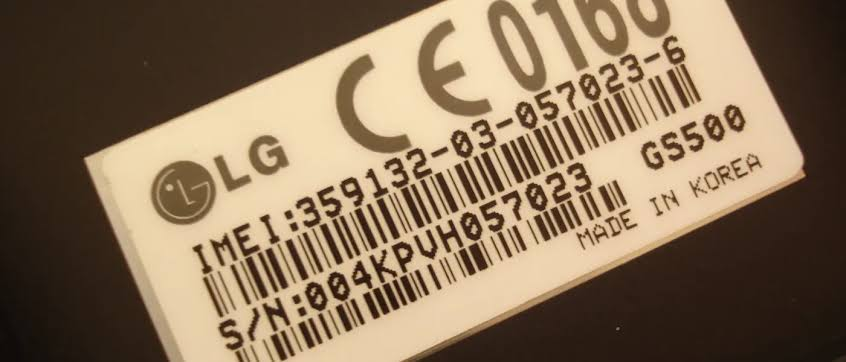
The system also maintains device identification information, including International Mobile Equipment Identity (IMEI) numbers, for regulatory purposes.
To make all of this work across the supply chain, the NCC says it worked with the Nigeria Customs Service and other stakeholders.
The framework follows the type approval business rules the commission issued in August 2024. It also comes after consultations with manufacturers, importers, dealers, telecom operators, government agencies and industry associations.
The checks apply to SIM-enabled devices. The NCC specifically names phones, tablets, modems and point-of-sale (PoS) terminals, but they said it covers any equipment that connects to a network through a SIM.
Could Your Phone Lose Network Access?

This can only happen if it is fake, cloned or non-compliant. The framework is designed to prevent such devices from connecting, so a genuine phone with valid type approval should not be affected.
The risk now is apparent with counterfeit handsets, devices with cloned IMEI numbers and imports that skipped the approval process. Phones bought from informal sellers at suspiciously low prices raises questions.
There is not yet a clear timeline. The NCC has not said when non-compliant devices already in use will be cut off, or what recourse their owners will have. Until that is spelt out, the safest assumption is that verification is live and worth taking seriously.
What This Means for the Average Nigerian
Nigerians need to start being more vigilant and check their devices.
Buying a new or fairly used phone now comes with risk, so you should confirm the device has NCC type approval before paying. The commission itself is urging buyers to ask sellers this question.
There is a promise of improvement in network quality. The NCC links non-compliant equipment to poor network performance and says tighter enforcement should improve the reliability of telecom services.
Also,dealers who bring in or sell unapproved devices now operate in a more closely monitored supply chain, which could change what is available in the market and at what price.
PoS operators and business owners should verify their equipment. If your terminal came from an unverified supplier, confirm its status now rather than after a service disruption.
Will the NCC Access Your Personal Data?
The commission says no. Ogoh described the initiative as limited to device identification and type approval verification, and said it is not a surveillance tool.
According to him, the framework does not give the NCC access to photographs, messages, contacts, financial information or the content of communications. The IMEI records are held for regulatory purposes.
How to Check If Your Phone Is NCC Type Approved
Check with your seller. The NCC advises buyers to ask directly whether a phone, tablet, modem, PoS terminal or other SIM-enabled device has received type approval.
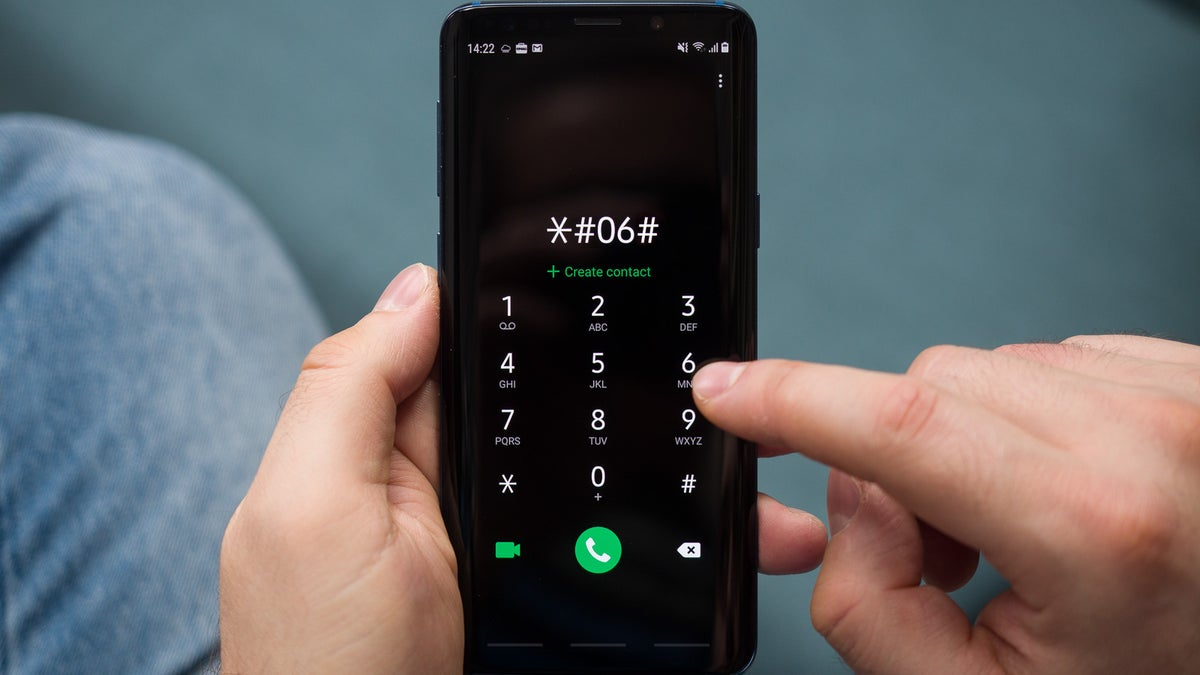
You can also dial *#06# on your phone to see its IMEI number, then confirm it matches the number on the box and the back of the device.
Also, buy from authorised dealers and retailers, and keep your receipt. Be wary of prices far below the market rate for the same model.
For PoS terminals and modems, ask the supplier for proof of type approval before paying.
What to Expect Next
The NCC says it will continue public awareness campaigns and stakeholder engagement to explain the initiative and the responsibilities of consumers and businesses.
It also says the framework’s success depends on cooperation among government agencies, operators, manufacturers, dealers, consumer groups and the media.
Expect more guidance on how verification works at the point of sale.
The practical takeaway is simple. Check before you buy, keep your proof of purchase, and treat an unusually cheap device as a warning sign.