Modern Love in the Digital Age: How Technology Has Changed Connection
In a world where emojis have replaced love letters and dating apps now decide who we meet, love has become both easier and harder to find. How do we navigate this?
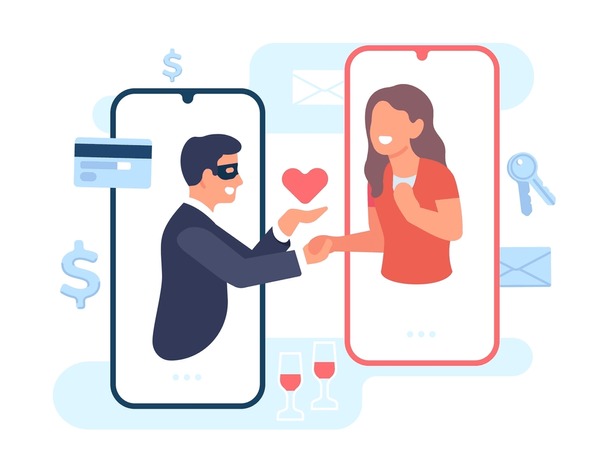
Love in the digital age can best be described as both everywhere and elusive. It's now possible to connect across continents, meet someone new with a swipe, and share our deepest feelings with a mix of emojis, voice notes, and video calls. On one hand, this is revolutionary, as love is no longer constrained by geography, time, or circumstance. On the other hand, the very things that bring us closer may obscure the subtle, more quieter dimensions that once defined intimacy.
Every relationship today seems to carry a digital layer. From couples in long-distance relationships building routines around daily FaceTime calls, to new lovers navigating dating apps and social media talking stages, technology dictates how affection is expressed and also received. In fact, for some, it has become the framework through which love is understood.
But amid this convenience, there is a persistent question: has technology made us more connected, or merely more accessible?
The Beauty of the Past
Before the digital age, love was typically slower, requiring forms of communication like letters and face-to-face interactions, which helped relationships to develop more gradually. Social activities, community events, and chance encounters were the primary ways people met then, and courtship in that period was often a longer, more deliberate and intentional process than the instant connections of online dating today.
It is worth pausing to remember how love existed in those times. Handwritten letters, carefully folded and scented with perfume, sealed with the weight of longing and patience. An envelope could contain anticipation for days, sometimes weeks. The act of waiting, the pause in-between sending a message and receiving one gave affection a beautiful and steady rhythm.
Courtship visits were meaningful and intentional. There was a tangible depth to the connections: a couple could spend hours together, sometimes walking through gardens, discussing the future, or simply sitting in silence and learning to be comfortable and vulnerable in each other’s presence. The use of sentimental gifts also spoke volumes, the story behind each gesture conveying more than words ever could.
Back then, love was about being present, paying attention to details, and valuing time spent together. Intimacy back then was more subtle, a dimension that the digital age has made harder to sense. Yet, that era reminds us that the essence of love is not in speed or grand gestures, but in the sincerity of heart, deliberate efforts and presence.

The Digital Revolution of Romance
Technology has transformed not only how we communicate, but how we experience connection itself. Today, a couple can meet halfway across the globe through dating apps or social media platforms. Voice notes now replace letters, video calls replace physical visits, and emojis, GIFs or stickers replace hand-drawn expressions. This flexibility means that love is no longer bound, and gestures can reach a partner immediately.
Digital platforms also allow relationships to develop in a step-by-step manner. A person can observe and interact with a partner gradually, spurred by profiles, posts, and stories. A long-distance partner can now share updates of daily life, moments that would have been private or unnoticed in earlier eras, which helps to create a sense of companionship despite physical separation. Yet, this digital intimacy has its nuances.
The same tools that facilitate connection also encourage constant availability, subtly introducing expectations that were heretofore unnecessary. Quick replies, double taps, and read receipts transform small gestures into signals, sometimes magnifying misunderstandings or anxieties. In the digital age, love is more immediate but it's also more performative, and navigating this requires mindfulness.
Social Insight
Navigate the Rhythms of African Communities
Bold Conversations. Real Impact. True Narratives.
The Era of Online Dating and Algorithmic Affection
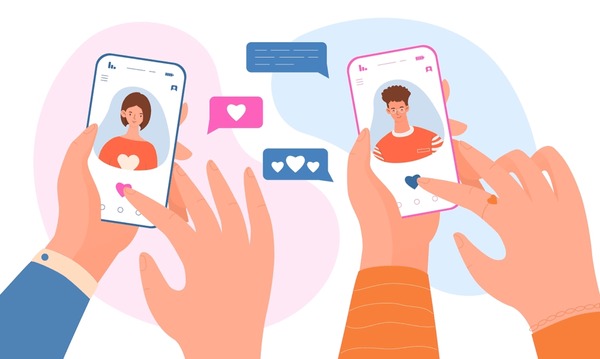
Dating apps have changed the courtship game profoundly. On these apps, users create profiles with personal information, and algorithms or user browsing help them see and connect with other potential matches. The algorithm predicts chemistry based on interests, location, or personality tests. However, this also creates an illusion of endless options, and in turn, redefines commitment and desire. There is also a lot of unpredictability involved, with people developing various habits such as ghosting after a single awkward message.
Yet beyond the chaos, dating apps also broaden access to love by expanding social circles beyond physical proximity and providing a platform to connect with a larger variety of potential partners. Through this, long-distance relationships are facilitated and introverts can also explore intimacy and connection on their own terms.
The digital age has not eliminated romance, it has merely expanded the manner in which it can exist, introducing both fun and complexity.

Social Media and the Performance of Connection
Social media has added another layer to modern love, one of visibility and expectation. The intimate gestures of the past are now in coexistence with declarations of affection across social platforms.
Hence, it is possible to now curate moments instead of living them, and to edit love for an online following instead of feeling it in real life. Challenges like distraction, comparison, and jealousy are now the order of the day.
Affection becomes not only an act between two people but a performative gesture for an audience. Young couples may feel pressure to meet trends, whether via grand proposals or elaborate gifts, because the algorithm pushes idealized relationship highlights over authentic experiences.
The Gottman Institute clearly enunciated this: “You don’t see the criticism or the defensiveness. You don’t see them crying. You don’t see the hard conversations and the vulnerability that accompanies those. You don’t see the behind-the-scenes. Yet, you compare your good enough and imperfect relationship to a perfectly curated ‘Instagramable’ relationship. This is the recipe for perpetual disappointment because your reality will never measure up to the highlights of someone else’s relationship. Oftentimes, when you fall into the comparison trap, your insecurities bubble up to the surface.”
Finding Meaning in the Noise
Amid all these changes, the heart of love persists. Technology has not erased tenderness, or emotional intimacy; it has only reshaped the forms in which they manifest. True connection is still found in intentionality, whether that is a voice note at midnight, a surprise visit, or a handwritten note tucked into a jacket.
The digital age calls for us to balance presence with connectivity, appreciating the immediacy and reach of modern love, while remaining mindful of the depth and patience that once defined it. Gestures are tools, not substitutes, for genuine feeling. Love today is layered and expansive, immediate and enduring, performative and private.
Social Insight
Navigate the Rhythms of African Communities
Bold Conversations. Real Impact. True Narratives.
The main challenge is learning to navigate this duality without losing sight of the truths that anchor relationships. And, in a world dominated by screens and algorithms, the essence of love remains the same: a quiet, persistent, and human desire to see, understand, and cherish another.