Germany-Italy Clash Deepens Over Mediterranean Migrant Rescue Ships
A long-standing dispute over private migrant rescue operations in the Mediterranean has reignited following Italy's detention of the German rescue ship Sea-Watch 5. This incident highlights deep divisions between Italy and German NGOs, involving issues of maritime law, humanitarian aid, state funding, and political disagreement over migrant returns and the role of the Libyan coastguard.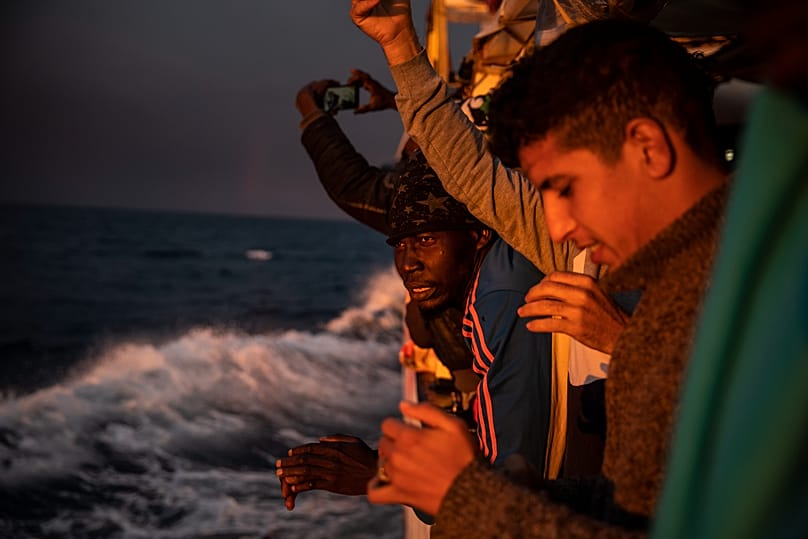
The detention of the German rescue vessel Sea-Watch 5 by Italian authorities has reignited a long-running dispute over private migrant rescue operations in the Mediterranean. Italy imposed a 45-day detention and a €7,500 fine after the vessel rescued six people on August 13 and reportedly documented the deaths of eight others, citing its failure to notify the Libyan coastguard. Sea-Watch has rejected the decision and plans to appeal, arguing that it was not instructed by Italy’s Maritime Rescue Coordination Centre to contact Libyan authorities.
The latest confrontation is part of a dispute that has intensified since Italy introduced stricter rules for civilian rescue vessels, including requirements to proceed to assigned ports after rescues.
Italian officials and conservative politicians in Germany argue that rescue NGOs may encourage dangerous crossings or indirectly assist people-smuggling networks, while the organizations maintain that their operations are focused on saving lives along one of the Mediterranean's most dangerous migration routes.
The disagreement also centres on Libya, with rescue groups refusing to return migrants there because of documented concerns over their safety and treatment. The tensions have increasingly extended beyond rescue operations into broader European migration policy, particularly over Germany's attempts to return migrants to Italy under EU rules.
Italian officials have linked their refusal to accept some transfers to the activities of German rescue organizations, while Germany remains divided over whether such groups should receive public support. With officials from both countries expected to address the issue, the dispute now reflects a wider European struggle over migration responsibility, maritime rescue, border control and the limits of humanitarian intervention.