Life-Saving Innovation: Duniya Healthcare's Model Averts 578 Rural Deaths in Zambia
Zambia's Duniya Healthcare has significantly cut rural mortality rates by averting 578 deaths in six months through its improved medicine supply chain model, according to a new report. This collaborative study highlights how enhanced distribution efficiency, medicine availability, and faster deliveries are transforming healthcare in remote areas, with plans for nationwide and regional expansion.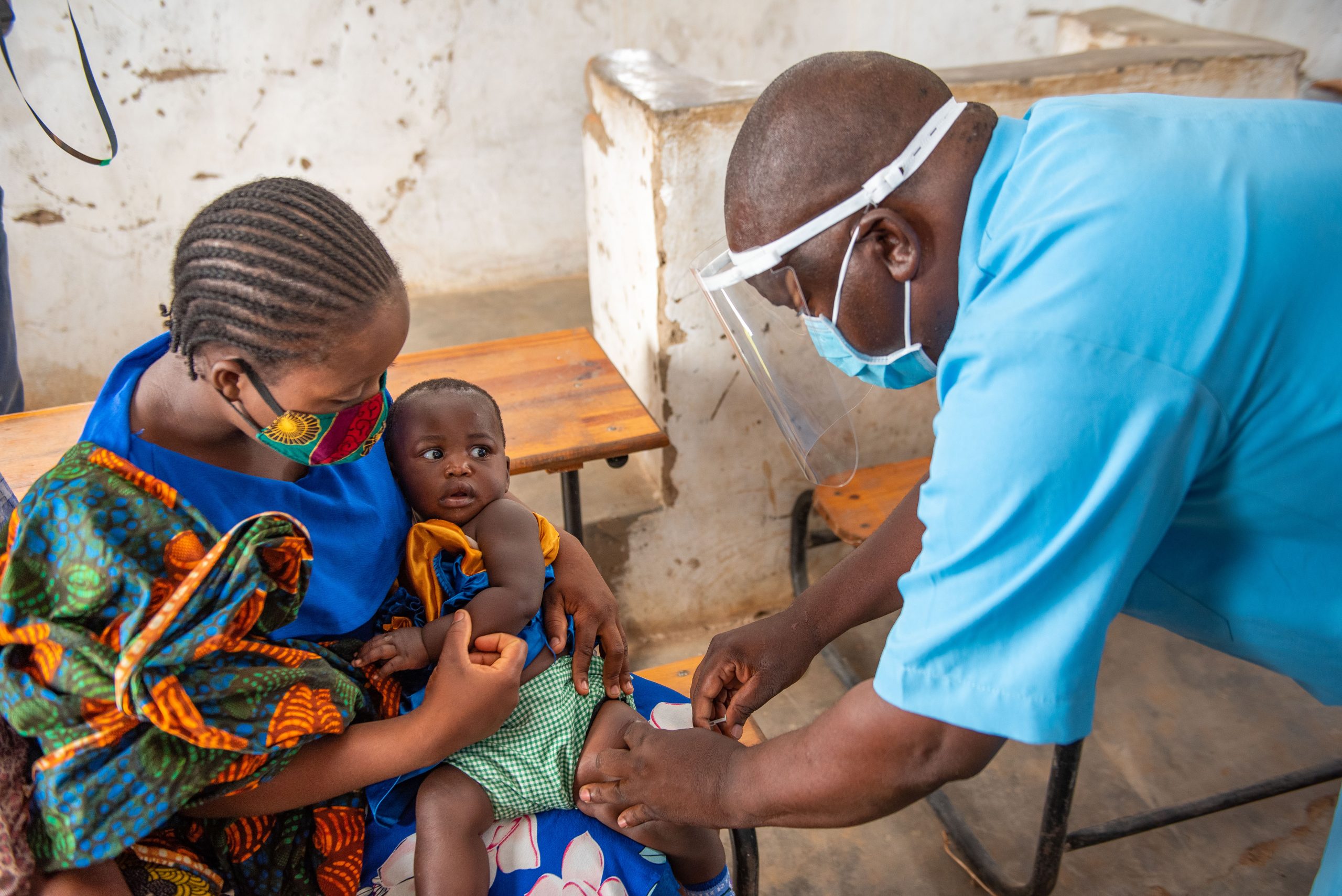
Duniya Healthcare, a pioneering pharmaceutical and health logistics startup based in Zambia, has significantly improved healthcare outcomes in rural facilities, reportedly averting 578 deaths in a six-month period. This figure nearly doubles the 299 deaths prevented at comparable facilities that continued to rely on traditional procurement systems. These findings stem from a new impact report, a collaborative effort between Duniya Healthcare, the Zambia Conference of Catholic Bishops (ZCCB), and the Africa Health and Economic Transformation Institute (AHETI).
The study, conducted between January and June 2025, tracked 16 Catholic mission hospitals and rural health centers across Zambia. Eight of these facilities implemented Duniya's innovative Rural Distribution Model (RDM), serving as pilot sites, while the other eight functioned as control sites. This research offers critical quantitative evidence demonstrating a direct link between strengthened medicine supply chains and a reduction in mortality rates in remote areas.
Zambia's healthcare sector has long grappled with a fragile medical supply chain, plagued by frequent stockouts and delayed deliveries, particularly in rural regions. Despite governmental initiatives to stabilize supplies, many public and faith-based facilities remain dependent on inconsistent central warehouse deliveries or inefficient ad hoc purchases from private wholesalers. Duniya’s study underscores that enhancing distribution efficiency can substantially decrease preventable deaths in these underserved communities.
To quantify the deaths averted, researchers employed a comparative quasi-experimental design. Data was meticulously collected and analyzed from July to August 2025. By applying condition-specific case fatality rates, derived from national and peer-reviewed data, to patient treatment records for eight high-burden diseases—including malaria, pneumonia, hypertension, and severe anemia—the study facilitated a direct comparison of mortality outcomes between facilities with and without robust supply chains.
The pilot facilities, supported by Duniya, demonstrated a strong impact in reducing deaths across several critical diseases. They averted 311 malaria deaths, 167 pneumonia deaths, and 67 deaths from hypertension complications. In contrast, control sites averted 56 malaria deaths, 87 pneumonia deaths, and 153 hypertension deaths. The overall mortality difference is primarily attributed to superior medicine availability at Duniya-supported facilities, which achieved 88% availability of essential medicines compared to 71% at control sites—a crucial 17-point disparity. This difference often determined whether patients received necessary treatment or were turned away. The analysis also revealed that only 38% of Duniya-supported facilities reported turning patients away due to stockouts, significantly lower than the 67% reported by control facilities, a difference that can be life-saving for diseases with high fatality rates.
Speed was another pivotal factor in Duniya’s success. A remarkable 88% of orders at pilot facilities arrived within seven days, whereas only 63% of orders at control sites met this timeline, with some experiencing delays exceeding two weeks. Duniya's RDM operates by aggregating demand from multiple rural facilities, creating bulk orders large enough to attract competitive bids from wholesalers in Lusaka. The platform then efficiently breaks down these bulk shipments, delivering individual consignments directly to each facility without incurring transport costs. Mwansa Chalo, Duniya CEO, likened this strategy to the network approach that brought telecoms to rural Africa, making scattered demand visible and economically viable.
Beyond logistics, Duniya’s approach positively impacted facility budgets and inventory management. Only 19% of pilot facilities reported delaying procurement due to cost constraints, a stark contrast to 41% of control facilities. All pilot sites adhered to predictable monthly ordering schedules, while a quarter of control sites resorted to reactive ordering only after shelves were completely empty. Furthermore, approximately 75% of pilot facilities utilized electronic inventory systems, leading to reduced forecasting errors and medicine wastage, representing a 12-point improvement over control sites.
Despite these significant achievements, the report also identified areas for improvement. Occasional stockouts in pilot facilities sometimes lasted up to 30 days, indicating potential vulnerabilities to funding or supplier delays. Affordability remained a persistent challenge, with 62% of all facilities, both pilot and control, stating that medicines were only "sometimes affordable." Control facilities frequently cited issues such as delayed government grants, incomplete deliveries from the Zambia Medicines and Medical Supplies Agency (ZAMMSA), and high transport costs forcing difficult tradeoffs. Pilot sites also noted difficulties with emergency orders, where the standard aggregation process proved too slow for urgent needs.
To address these weaknesses, Duniya Healthcare has outlined future strategies. These include establishing emergency buffer stocks, securing additional supplier contracts, and simplifying payment processes to allow facilities to pay Duniya directly. The company also plans to integrate more closely with ZAMMSA, aiming to complement national systems rather than compete, and to promote the universal adoption of electronic inventory management tools across all supported sites.
With a five-year contract already secured from ZCCB, Duniya is poised to expand its model across Zambia's Catholic mission facilities, which constitute the country’s largest faith-based health network with over 75 sites. Based on current performance, nationwide deployment is projected to avert more than 10,000 deaths annually. ZCCB has also expressed interest in replicating the model in Kenya and Uganda, where Duniya anticipates launching in early 2026. Mwansa Chalo reiterated at the report launch event on October 20 in Lusaka that the 578 lives saved are not mere statistics but represent real individuals given a second chance, affirming that innovation combined with compassion can bring life-saving care even to the most remote communities. Chalo's ambition to establish Duniya as Africa's largest pharmaceutical distribution network appears increasingly attainable given these latest results.