Lagos Traffic, and the Quiet Cost Everyone Carries
Lagos traffic has become more than a daily inconvenience, it is a strain on health, productivity, and the emotional lives of millions. This report examines how persistent gridlock shapes the city’s pace, pressures its people, and exposes the urgent need for reform.
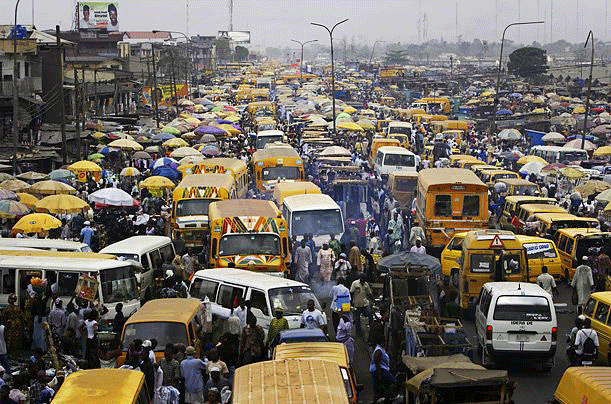
I still remember one Thursday morning last year, the kind of Thursday that was already heavy before it began. I climbed into a bus at Oshodi, expecting the usual twenty-minute ride. Instead, I found myself trapped for over two hours inside a hot cabin full of silent sighs, rattling windows and half-spoken complaints. By the time I got out, I felt like I had been through a story, a story I had never written, yet one that was written all around me by thousands of passengers just like me.
Inside the Bus: Characters, Arguments, Dreams and Patience
Inside Lagos’s gridlocked streets, each bus becomes a theatre, a cramped, sweaty, unpredictable stage where dozens of strangers play parts in someone else’s script. On that same ride, I noticed a woman clutching her phone as if it were a lifeline. Her eyes were fixed on the screen, thumb tapping at stories while the bus crawled past concrete and chaos. Next to her was a young man arguing loudly with the conductor arguing about fare, space, air, dignity.
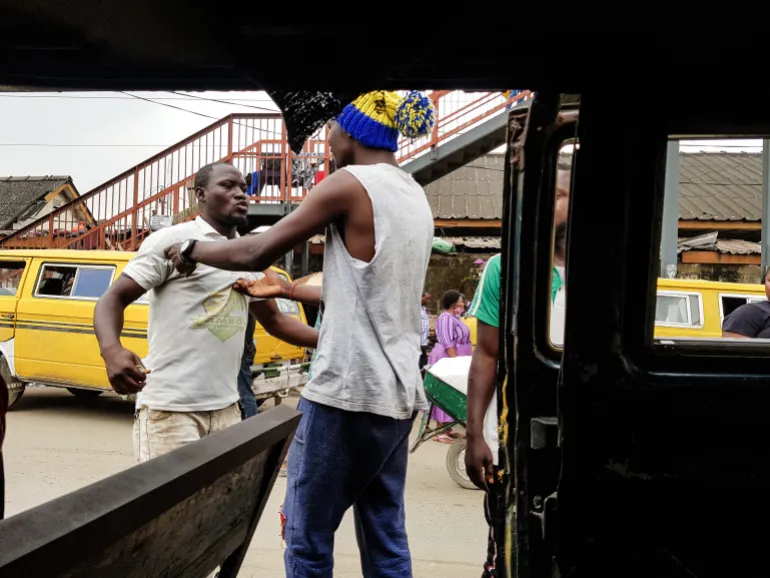
Behind them, a group of friends laughed about yesterday’s news and the country’s current troubles, “Nigeria this, Nigeria that,” their voices carrying frustration mixed with hope. A child tried to eat garri quietly while the smell from a passenger who hadn’t bathed that morning crept slowly through the cabin. A tired mother held her sleeping baby close, rocking gently, trying to hide weariness behind calm. In every face, there was a story, some silent, some loud, all human.
The Hidden Costs of Gridlock
Worldwide studies have long documented that long commutes daily travel times that exceed what people consider reasonable, have serious mental-health and social consequences. Research reviews and peer-reviewed papers show that longer commuting times are linked to higher stress, reduced leisure time, poorer sleep and lower subjective well-being. Commuting can become a daily drain on mental health.
At a global level, traffic also imposes measurable economic costs: large international traffic indices demonstrate how jammed cities lose work hours and incur extra fuel and maintenance expenses. Time spent in traffic is time lost for the economy and for families. A widely-cited global study that tracks congestion and its costs is theINRIX Global Traffic Scorecard (2023), which quantifies hours lost to congestion across cities.
For city-level evidence about Lagos, local reports and research institutes have produced estimates of lost productivity and man-hours. For example, reporting on findings presented by a Lagos-based research institute highlights the scale of hours lost to congestion in the state; these are widely cited as indicative estimates rather than peer-reviewed consensus. Numbers often quoted for Lagos are best read as well-informed estimates that demand further study.
Lagos: Anecdotes, Estimates and a Call for Clarity
In Lagos, the scene inside buses, the eating, the arguing, the half-sleeping commuters, the lovers who create a bubble of calm repeats by the million. Local media and advocacy groups report large economic and human costs, but most figures are based on projections, commuter surveys, and economic modelling rather than transparent, peer-reviewed datasets. That gap matters: policy needs reliable numbers, not speculation.
Academic and policy studies show that cities benefit when transport planning is evidence-based: better data leads to targeted interventions that cut commute times and improve life quality. The evidence that long commuting times affect mental and physical health comes from diverse settings; for example, research on commuting time and well-being in Korea demonstrates measurable negative effects once commuting exceeds an hour. These global findings are a cautionary mirror for Lagos.
Why Traffic Jams Are Less About Cars, More About Societies
When a bus crawls at ten metres per hour, it’s not just cars that are stuck, it’s people’s lives, plans, dignity. A system that delays millions daily steals from their future in small, consistent portions.
Social Insight
Navigate the Rhythms of African Communities
Bold Conversations. Real Impact. True Narratives.

The graduate who misses an interview because of gridlock, the business owner who closes early, the parent who gets home too tired to talk, these are the silent casualties of a broken system. Traffic slowly reshapes how people love, hope, dream and survive.
Studies also show that long commutes increase stress, depression, lower job satisfaction and weaken social trust.
For many Lagosians, a commute is not a trip, it’s emotional warfare.
Yet in the middle of this hardship, soft moments of humanity persist. Someone offers water. Someone shifts seats. Someone shields a stranger from the sun. These moments matter, but they cannot replace reform. Public transport remains inadequate, roads overwhelmed, enforcement weak, infrastructure overstretched.
Until the human cost becomes a priority, the city will continue recycling the same suffering.
What Could Change And What Lagos Needs to Ask For
Transforming the commuting experience in Lagos will require systemic change, public will, and human empathy.
Invest in reliable public transport: Efficient, well-maintained buses; regulated fares; proper routes; safe bus stops. If people can rely on transit, fewer will resort to overcrowded minibuses or personal vehicles.
Support research and transparency: Commission studies that measure commute times, health impacts, productivity loss, economic cost, mental-health burden. A well-documented report could provide the evidence needed for serious policy reform.
Promote commuter welfare and mental-health awareness: Recognize that commuting is not just about convenience, it affects well-being. Simple measures like shaded waiting areas, water availability, regulated bus capacity, ride-sharing incentives, flexible work hours could reduce stress.
Encourage empathy among commuters: A few kind gestures, giving a seat to a pregnant woman, helping someone with heavy bags can make a difference. While infrastructure reforms are necessary, humanity must remain a vital part of every ride.
I stepped off that bus not merely with tired legs, but with a new perspective. Lagos is more than cars stuck on a grid. Its lives paused, hopes forestalled, plans delayed, but also quiet resilience, shared moments, unspoken solidarity.
I don’t claim to have all the solutions. But I believe this much: when traffic stops becoming a punchline and starts becoming a visible, studied challenge, when commuters become more than statistics, that’s when Lagos will begin to heal. Because every traffic jam is not just congestion; it’s a story in motion. And some stories need more than endurance, they need change.