‘IT: Welcome to Derry’ Creators Promise to Unravel Stephen King’s Terrifying Entity
HBO Max's IT: Welcome to Derry explores the origins of Stephen King’s terrifying entity, blending Cold War-era fears, psychological horror, and complex characters, promising a suspenseful and emotionally rich adaptation.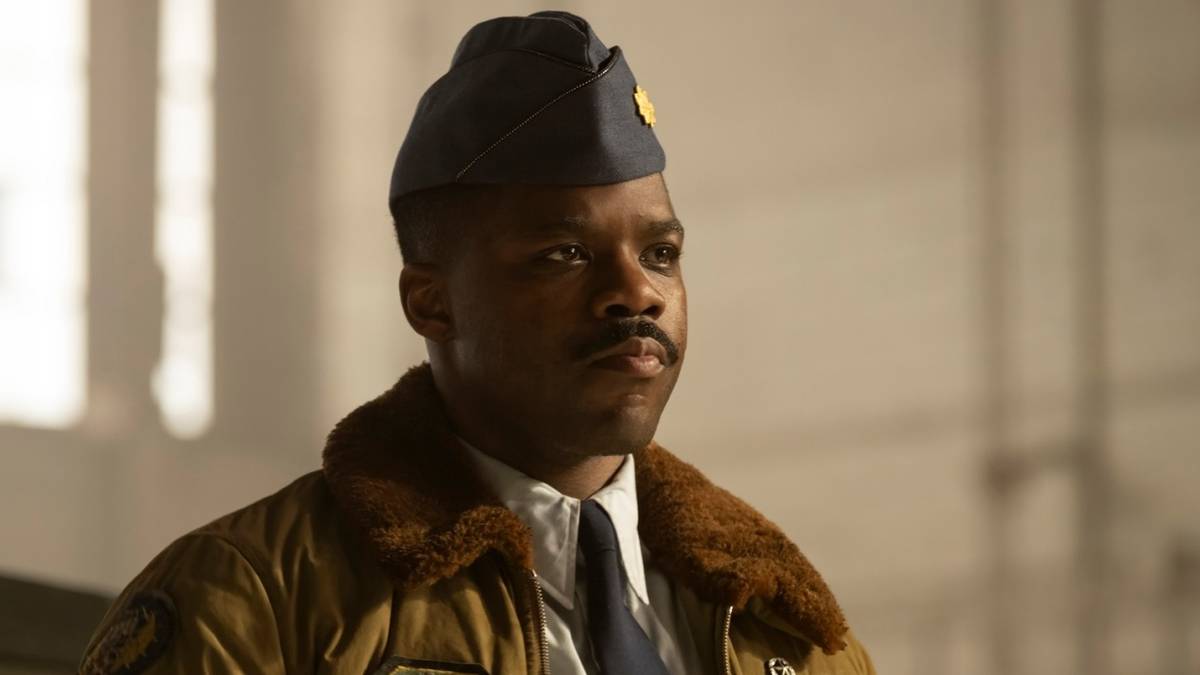
The HBO series IT: Welcome to Derry immerses viewers in Stephen King's chilling universe, exploring the profound implications of fear as a weapon and how communal anxieties can be exploited to isolate and consume. Set in 1962, the show leverages Cold War-era tensions—including nuclear dread, perceived loss of innocence, and generational trauma—to create a suspenseful backdrop. Its anthological structure ensures that each season explores a new cycle of the malevolent entity’s reign, establishing that no character is ever truly safe.
Showrunners Jason Fuchs and Brad Caleb Kane discussed the creative risks of adapting King’s iconic work. As self-proclaimed mega-fans, they sought to preserve the core themes of the novel, particularly the 'weaponization of fear,' which demonstrates how IT manipulates the residents of Derry to turn on one another, fostering isolation and vulnerability. This thematic focus remains as relevant today as when King wrote the original story.
The choice of 1962 as the setting was deliberate, marking an earlier cycle of IT's terror distinct from the 1989 events depicted in the films. The era’s Cold War fears, including nuclear war and the Red Scare, are woven into the series’ narrative. While 1962 is often romanticized as America’s “last Age of Innocence,” the show highlights how marginalized communities experienced genuine anxieties and systemic threats, adding depth and historical context to the horror.
The series’ anthological approach means each season presents a self-contained story within IT’s reign, while a cohesive mythology maintains forward momentum. Long-form storytelling allows for a deeper exploration of characters, revealing their genuine fears and motivations. Early in the series, it becomes clear that “no one is safe,” ensuring audience engagement and tension throughout the season.
A key focus is unraveling the mysteries surrounding IT and its most iconic form, Pennywise the Dancing Clown. The series explores why IT remains in Derry instead of seeking denser hunting grounds, the identity of its original human witnesses, and how its obsession with the Pennywise form originated, including its initial encounter with Bob Gray. Bill Skarsgård’s portrayal promises to offer new dimensions to the character, deepening both horror and psychological intrigue.
Sequences are meticulously crafted for both thematic depth and visceral impact. Episode 101 opens with a grotesque creature birth in a car, reflecting 1962 fears of nuclear radiation and mutants, establishing a bold and shocking tone. Similarly, the movie theater massacre at the episode’s end subverts audience expectations, reinforcing the notion that beloved characters may not survive. Violence, especially involving children, is framed thoughtfully to honor King’s recurring motif of lost innocence.
The series also introduces a younger, distinct version of Dick Hallorann, drawing inspiration from interludes in King’s IT. Unlike his mentor role in The Shining, this Hallorann is motivated by self-interest, offering a fresh perspective on his character arc. IT: Welcome to Derry promises a thrilling blend of suspense, psychological horror, and emotional depth that challenges audience expectations while staying faithful to King’s vision.