iPhone 17 or a Dressed-Up XR? How Nigeria’s Latest Phone Saga Exposes a Growing Modding Market
A deep dive into the Blord vs VDM controversy over “converted” iPhones — uncovering how Nigeria’s booming modding market blurs the line between innovation and deception.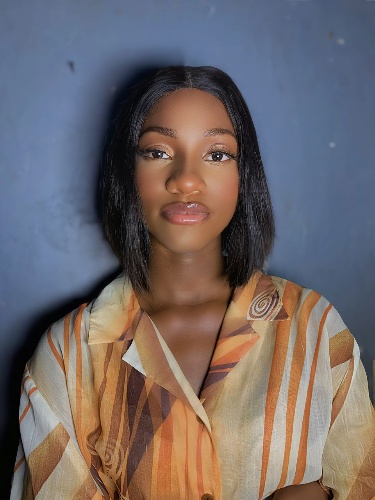
When a phone controversy breaks the Nigerian internet, it usually involves hype, influencers, and receipts but this time, it is about hardware.
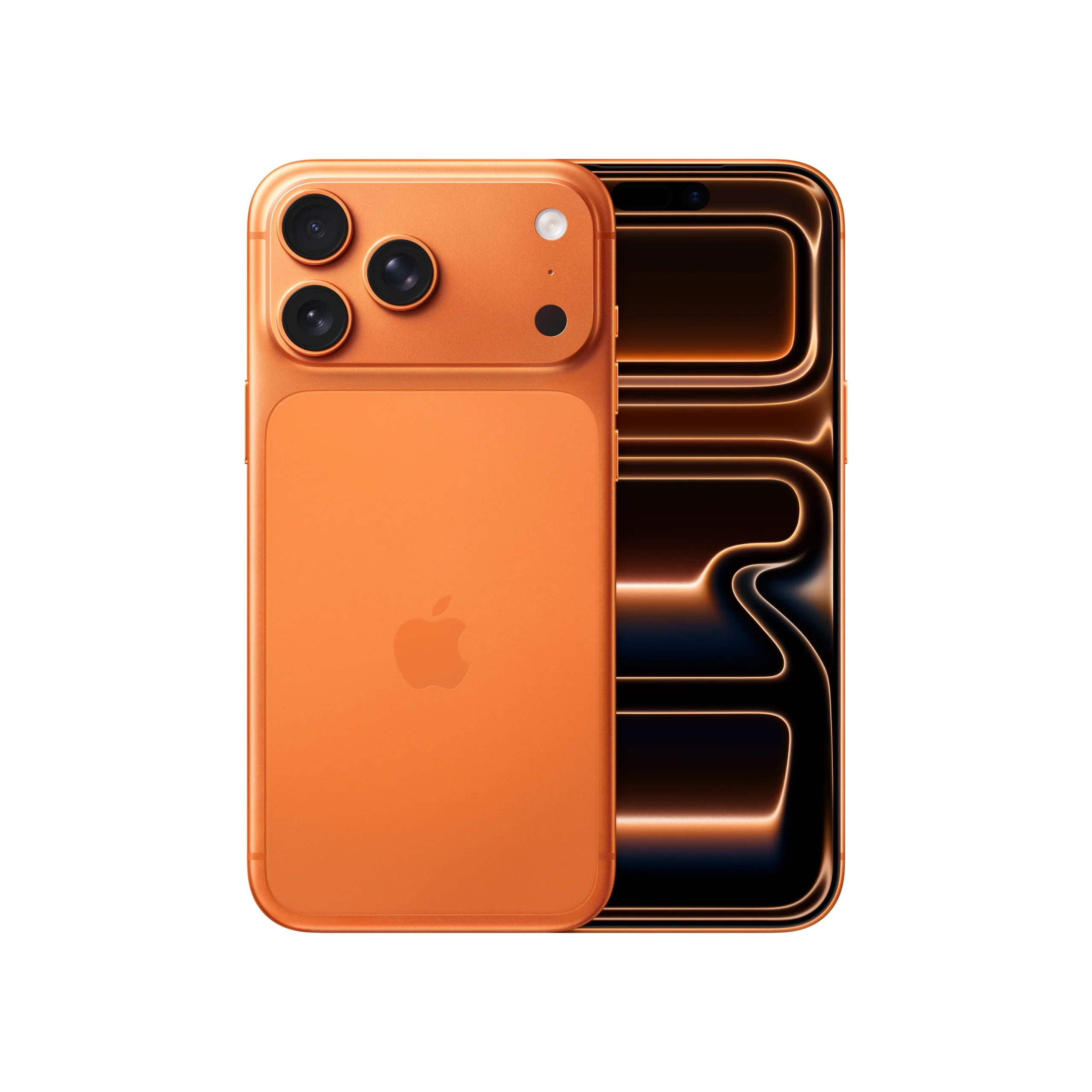
In early October, Nigerian entrepreneur and influencer, Blord, took to social media to unveil what he claimed was a converted iPhone XR that had been “upgraded” into an iPhone 17 Pro Max. In glossy videos and posts, he showed off the sleek device, triple cameras, titanium frame, Dynamic Island, an exact replica, and tagged a price between ₦400,000 and ₦450,000.
But barely had the applause begun when another popular social critic, VeryDarkMan (VDM), called foul. In a fiery rebuttal video that immediately trended across TikTok and X (formerly Twitter), VDM accused Blord of misleading Nigerians, claiming the phones were nothing more than refurbished XR models re-shelled to look like the latest iPhone. According to him, the same devices could be bought from factories in China for around ₦280,000.
What started as a product showcase quickly turned into a public debate about consumer trust, digital entrepreneurship, and how far Nigerians will go for the illusion of luxury.
Blord vs. VDM: The Showdown Everyone Watched
For those unfamiliar, both men are internet “heavyweights”.

Blord, real name Linus Williams, is known for his flashy lifestyle, crypto ventures, and habit of turning controversies into content. VDM, short for VeryDarkMan, has built his brand on exposing scams, calling out social hypocrisy, and chasing accountability online.
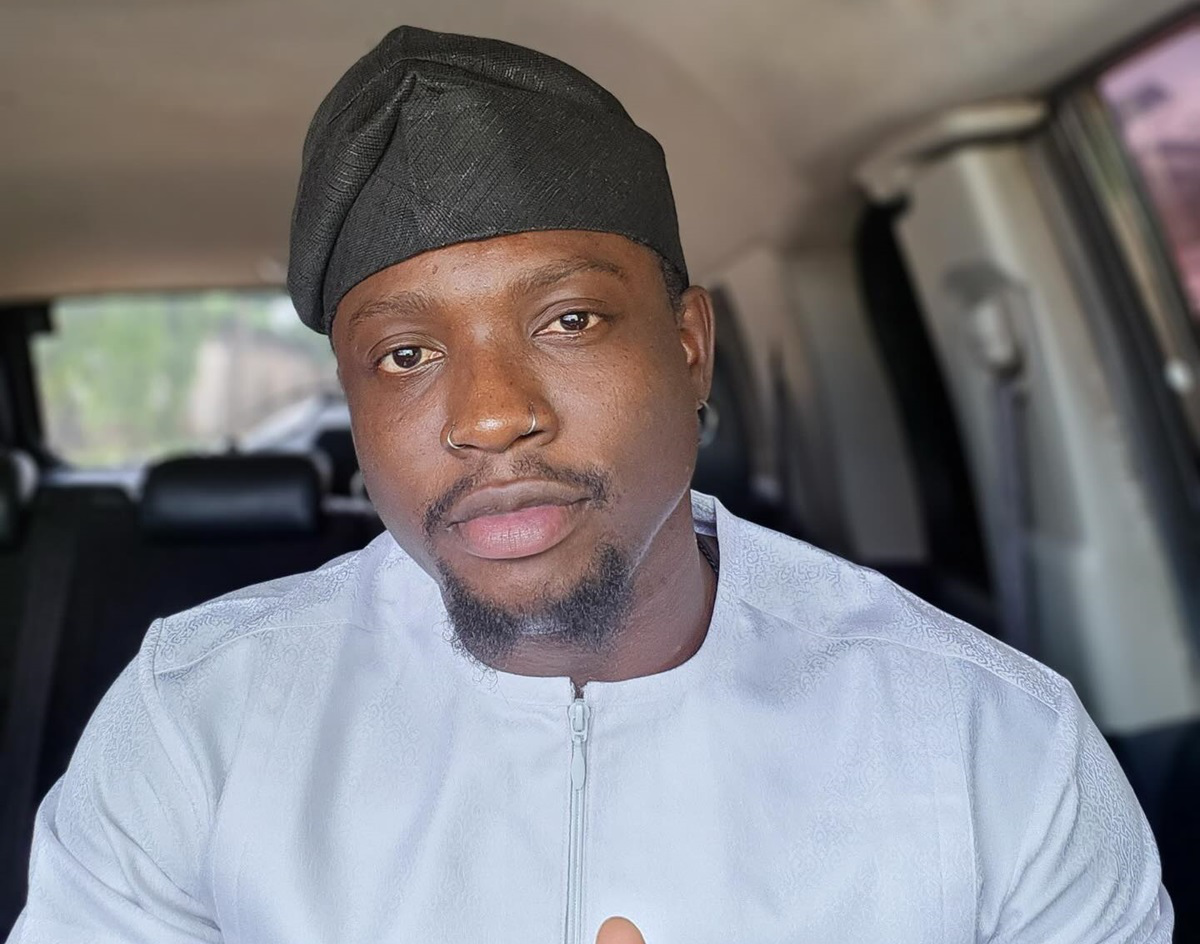
Their collision was, therefore, inevitable and perfectly timed. When VDM posted his own “investigative” footage, allegedly filmed in China, showing vendors selling near-identical phones advertised as “upgraded iPhones,” the internet went wild. Blord defended himself, insisting he was transparent about the conversions and not deceiving buyers. But as the videos multiplied, so did the questions.
Who was telling the truth? And more importantly, what were Nigerians really buying?
What Does It Mean to ‘Convert’ an iPhone?
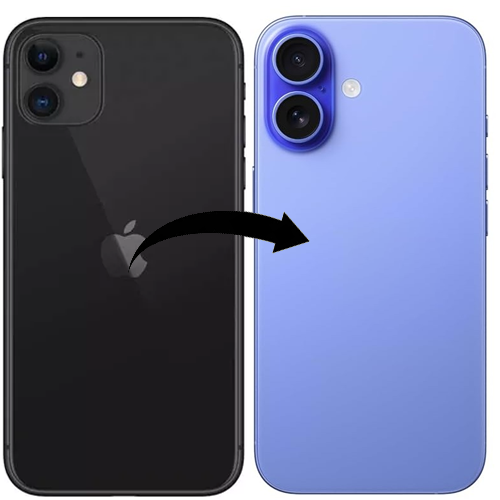
According to tech experts and journalists who followed the story, the so-called conversion process is not as magical as it sounds. It involves taking the internal components of an older iPhone, in this case, the XR, and fitting them into a custom-made casing designed to look like the latest model.
In some cases, technicians swap out the screen, replace the back glass and camera bump, and even rebrand the phone’s settings to display “iPhone 17 Pro Max.” But the brain of the phone, its logic board and processor, remains the same.
Latest Tech News
Decode Africa's Digital Transformation
From Startups to Fintech Hubs - We Cover It All.
Essentially, it is an iPhone XR wearing an iPhone 17 costume.
That means performance, battery life, and camera quality all remain consistent with a 2018-era device, not Apple’s 2025 flagship.
The Profit Game Behind Cosmetic Innovation
If the devices are indeed older phones dressed up to look new, the question becomes: why are people still buying them?
The aanswer to this is tricky. A new iPhone 17 Pro Max retails for roughly ₦4.5 million to ₦2 million in Nigeria, depending on the vendor and configuration. By contrast, a “converted” or “upgraded” XR can go for less than a third of that price. For status-driven consumers who want the latest look without the wallet-breaking cost, it is an appealing compromise.

For sellers, the profit margin is even more attractive. VDM’s report suggests some of these converted units cost less than ₦300,000 in China but resell in Nigeria for ₦450,000 or higher. Multiply that by hundreds of buyers, and the potential returns explain why the “modding” business is booming regardless of the moral ethics.
But what makes this case explosive is the gray area between modification and misrepresentation. If sellers clearly label these phones as refurbished or converted XR units, they are engaging in resale. If they market them as genuine iPhone 17 Pros, that crosses into consumer deception.
How to Spot a Modified iPhone
In the wake of the saga, many tech blogs and consumer pages have shared quick guides on how to verify what you are buying. Here are a few practical steps that can save you thousands:
1. Check the IMEI:
Every iPhone has a unique International Mobile Equipment Identity (IMEI). Input it on Apple’s official device lookup page or GSMA databases. If it does not match the seller’s claims, walk away.
2. Inspect Settings - About:
Under Model Number and Software Version, genuine iPhone 17 models will carry identifiers consistent with Apple’s 2025 lineup. If it lists “iPhone XR,” it is not a 17 no matter what the casing says.
3. Examine the Fit and Finish:
Latest Tech News
Decode Africa's Digital Transformation
From Startups to Fintech Hubs - We Cover It All.
Converted phones sometimes have off-center cameras, thicker bezels, or mismatched screw placements. Genuine 17s have near-seamless frames.
4. Ask for Receipts and Warranty:
Real Apple devices in Nigeria are imported through authorised resellers and include verifiable purchase documentation. A seller who can’t provide that is waving a red flag.
5. Run Performance Tests:
Benchmark apps like Geekbench or even camera tests will expose the truth quickly. If it performs like a 2018 device, it is one.
The Legal and Ethical Fault Lines
Under Nigerian consumer protection law, advertising a product as something it isn't, qualifies as false representation. However, enforcement in the informal tech market is almost nonexistent.
Experts note that even if Apple were to intervene, tracing every counterfeit or modified sale would be nearly impossible as the conversions often occur offshore, long before the devices enter Nigeria’s grey market.
Still, the ethical burden falls on influencers and sellers.
When a social media personality with millions of followers markets a product that is technically deceptive, they wield the same influence as a mainstream ad campaign without regulation.
Beyond Blord and VDM: The Culture of ‘Fake It Till You Make It’
Perhaps the most revealing aspect of the saga is what it says about us. The speed with which “converted iPhones” sell out highlights a deeper cultural pattern: the pressure to appear successful, even if that success is only skin-deep.
In a society where premium phones double as status symbols, the ability to own the “latest” iPhone, real or fake, can mean social validation. It is not just about technology, it is about belonging.
The Blord-VDM clash simply held up a mirror to that truth. Nigerians are not just buying modified devices, they are buying into an image.
Latest Tech News
Decode Africa's Digital Transformation
From Startups to Fintech Hubs - We Cover It All.
Where Does the Story Go from Here?
As the debate cools, what remains is a need for transparency.
The media should push for independent teardowns of these devices to settle the question technically: are they genuine upgrades or rebranded XR units? Platforms like Instagram, TikTok, and Facebook Marketplace must also begin flagging listings that blur authenticity lines.
For consumers, the rule is simple: If it sounds too good to be true, it probably is.
An iPhone 17 for ₦400k might look like a bargain, but under the hood, it could be a 2018 phone wearing 2025’s clothes.
Lessons to Learn
The “iPhone 17 or XR” controversy might fade, but its lesson endures. Nigerians deserve clarity and not confusion, when spending their hard-earned money on gadgets.
Whether Blord’s conversions are clever craftsmanship or clever marketing, the outcome is the same: a public that is more alert, more skeptical, and more determined to verify before buying.
And in an era of viral sales and influencer hype, that awareness might be the most valuable upgrade of all.