India's 'Vande Mataram' Row Ignites Political Firestorm Targeting Muslims
A political firestorm has ignited over a Rajya Sabha directive limiting patriotic slogans like 'Vande Mataram' and 'Jai Hind' in Parliament. Opposition parties, led by Uddhav Thackeray and Maharashtra Congress, accuse the BJP of hypocrisy and using the issue for political polarization, challenging the ruling party's stance on nationalism.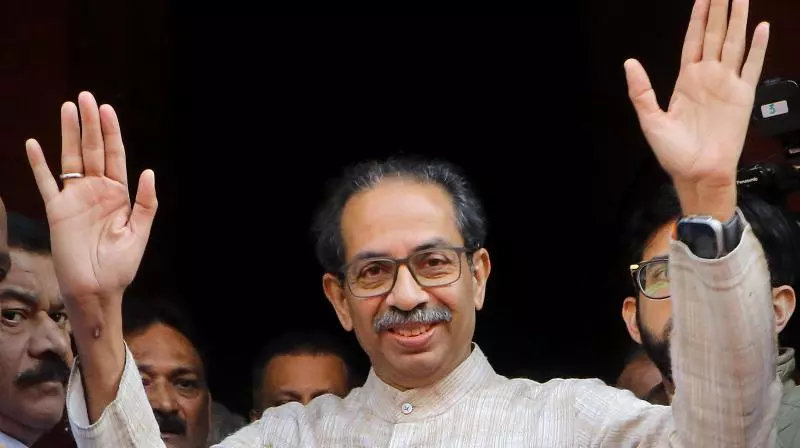
A significant political controversy has erupted in India following a directive from the Rajya Sabha Secretariat cautioning Members of Parliament against using patriotic slogans like ‘Vande Mataram’ and ‘Jai Hind’ within the parliamentary premises. This instruction, aimed at maintaining decorum, has been widely criticized by opposition parties, who view it as an attempt to stifle nationalistic expressions and have accused the ruling Bharatiya Janata Party (BJP) of hypocrisy and double standards.
Uddhav Thackeray, chief of the Shiv Sena (UBT), vehemently condemned the Rajya Sabha Secretariat’s directive. He challenged the BJP, asserting that his party's MPs would chant ‘Vande Mataram’ loudly in Parliament. “Our MPs will say ‘Vande Mataram’ loudly. Let’s see who throws us out of Parliament,” Thackeray stated, daring the BJP to take action. He accused the BJP of tearing apart its 'mask of Hindutva' and nationalism, recalling the saffron party's past assertion that “those who want to live in this country must say ‘Vande Mataram’.” Thackeray further questioned if ‘Macaulay's progeny’ had infiltrated the BJP, suggesting a departure from traditional Indian values.
The contentious directive was issued on November 24, reminding members about parliamentary etiquette and citing the 'Handbook for Members of Rajya Sabha', which specifically mentions that such slogans amount to a breach of decorum. This reminder came ahead of the parliamentary session scheduled to commence on December 1, sparking immediate backlash from various opposition leaders who saw it as an unprecedented move to police long-cherished patriotic expressions.
The Maharashtra Congress also weighed in on the controversy, accusing the BJP of deliberately creating an “unnecessary” dispute over ‘Vande Mataram’ to further its polarisation agenda and target minority legislators. Congress spokesperson Sachin Sawant condemned a protest orchestrated by the BJP outside the offices of Congress MLAs Aslam Shaikh and Amin Patel, labeling it as an act of intimidation against minority representatives. Sawant highlighted the BJP’s “double standards and hypocritical nationalism,” asserting that “those who did not have the courage to say Vande Mataram during the British rule have now imposed a ban on singing it inside the temple of democracy (Parliament).”
The historical significance of ‘Vande Mataram’ adds another layer to the debate. Composed by Bankim Chandra Chatterjee, the hymn was first published in the literary journal ‘Bangadarshan’ on November 7, 1875. It was later incorporated into his renowned novel ‘Anandamath’, published in 1882. On January 24, 1950, India’s Constituent Assembly officially adopted ‘Vande Mataram’ as the national song, cementing its place in the nation’s heritage.
The row intensified particularly following the alleged protest by the BJP targeting the two Muslim legislators from Mumbai on November 7, which notably coincided with the 150th anniversary of the song's first publication. The Congress firmly refuted the BJP’s allegations that any of its party legislators had opposed the singing of ‘Vande Mataram’, branding the BJP’s campaign as “false, shameful, and condemnable.” This ongoing dispute underscores a deeper ideological conflict over national symbols, parliamentary conduct, and political maneuvering in India.