Ifedayo Osinowo Questions: Is the Era of Afrobeats Video Vixens Over?
Nigerian music videos have transformed significantly since the early 2010s, moving beyond oversexualized visuals to embrace deeper storytelling, fashion, and political commentary. This evolution has been driven by new directors, the rise of alternative music, and a growing demand for culturally relevant and emotionally resonant content. Today's videos often showcase Nigerian designers and cinematic artistry, offering a more nuanced portrayal of women and addressing critical social issues.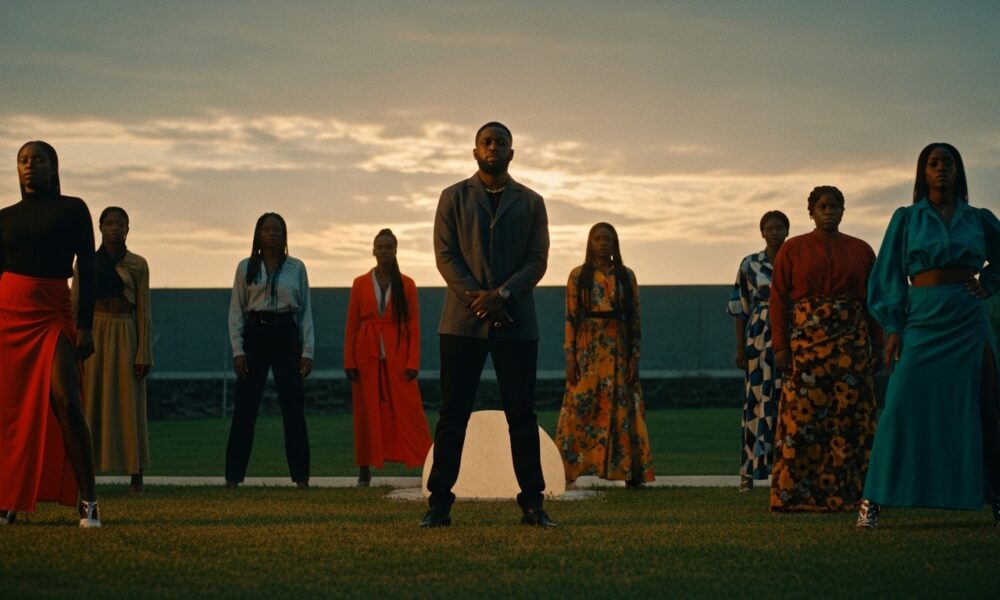
The landscape of Nigerian music videos has undergone a significant transformation since the early 2010s, evolving from a focus on oversexualized visuals to a richer tapestry of storytelling, fashion, and political commentary. In 2012, viewers frequently tuned into channels like Trace Urban, HipTV, or MTVBase, where many Afrobeat music videos featured half-naked women dancing, money flying, and crowded house parties. While lyrics often revolved around themes of love or money, there were notable exceptions like Wizkid’s Ojuelegba, Olamide’s Melo Melo, and Tiwa Savage’s My Darling, which demonstrated a clear demand among Nigerian audiences for deeper narrative content.
Despite this craving for more profound visuals, the Nigerian music industry initially seemed slow to respond. Between 2016 and 2018, a phenomenon dubbed “video vixen fatigue” began to set in. This period coincided with Afrobeats’ global emergence, marked by iconic collaborations such as Wizkid and Drake’s “One Dance” and “Come Closer.” Simultaneously, new artists like YCee, Maleek Berry, and Mr Eazi rose to prominence. Although they produced hit songs, their music videos often continued the trend of oversexualized women, albeit in slightly different settings and costumes like ripped tights, biker shorts, or lingerie, moving away from the predominantly club-based scenes of earlier years.
A pivotal shift occurred around 2019. The directorial scene saw a changing of the guard, with new talents like TG Omori, Meji Alabi, Director K, and Director Pink beginning to replace established names such as Clarence Peters, Unlimited LA, and Patrick Elis. This new wave of creativity, coupled with the rise of artists like Burna Boy and the growing influence of alternative music, spurred a transition in how African music was visually interpreted. Videos started to translate songs into culturally relevant and emotionally resonant stories, drawing viewers deeper into the meaning and message of the tracks.
Beyond narrative depth, music videos also became significantly more fashion-forward. Nigeria's interconnected creative industries saw fashion profoundly influence the music sector. Earlier videos typically showcased casual ensembles, with a preference for gold chains, expensive sneakers, Timberland boots, shades, and hats. Cultural representation through attire was less common, with exceptions like Davido’s “Aye,” Yemi Alade’s “Johnny,” and Falz and Simi’s “Soldier” standing out for their theatricality or cultural depth. Today, music videos serve as prominent platforms for spotlighting Nigerian designers, elevating style to a status as crucial as the music itself.
Furthermore, the thematic scope of music videos expanded to include political and social commentary, reflecting Afrobeats' inherent connection to these issues. Visuals like Falz’s “This is Nigeria” pioneered a bold era of digital and creative activism, followed by Burna Boy’s “Monsters You Made,” which addressed critical subjects such as police brutality, colonialism, and social injustice. Cinematographically, contemporary Nigerian music videos have adopted a cinematic quality, employing complex techniques and camera work to bring songs to life in more intentional and artistic ways, exemplified by Tems’ visually stunning, self-directed “Me & U” set against an ocean backdrop.
While the era of the traditional video vixen isn’t entirely over, a refreshing alternative has emerged. Though some videos still incorporate the familiar template, others now offer a more appreciative and textured depiction of women’s bodies, moving beyond their role as mere decorative objects of sexual desire. Examples like Simi’s “Woman,” Tiwa Savage’s “49-99,” Burna Boy’s “Onyeka,” and Ayra Starr’s “All The Love” provide a welcome departure from the dominant, male gaze-centered visual themes of previous years. As the industry continues to evolve, viewers increasingly seek out passionate, story-driven visuals that captivate and resonate, reflecting a maturing audience demand for content that truly engages.