HIV Breakthrough In South Africa: The Twice Yearly Jab That Might Change Everything.
South Africa is leaning towards a huge breakthrough in its health sector. Come April 2026, twice a year injections will be given to its citizens in a bid to cub HIV.
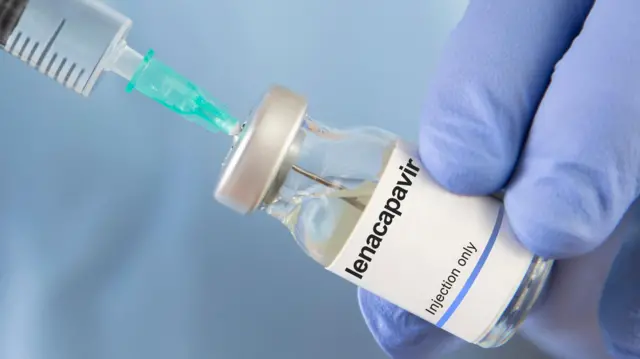
A New Chapter in HIV Prevention
To a generation familiar with the power of a single WhatsApp message to shift an entire national conversation, the once-a-day pill routine can feel like old news. Yet, for years, that was the best thing that HIV prevention had to offer.
South Africa, the nation that has borne the heaviest burden of the global HIV epidemic, is preparing for a true medical revolution: the launch of Lenacapavir– a long-acting, twice-yearly HIV-prevention injection.
Scheduled to begin in April 2026, this injection is not simply a dosing change; it is a lifesaver for millions who struggle with adherence and the insidious, constant stigma of a daily pill regimen.
This is where prevention transitions from a daily regimen to a bi-annual visit.
The Innovation– What Lenacapavir Does.
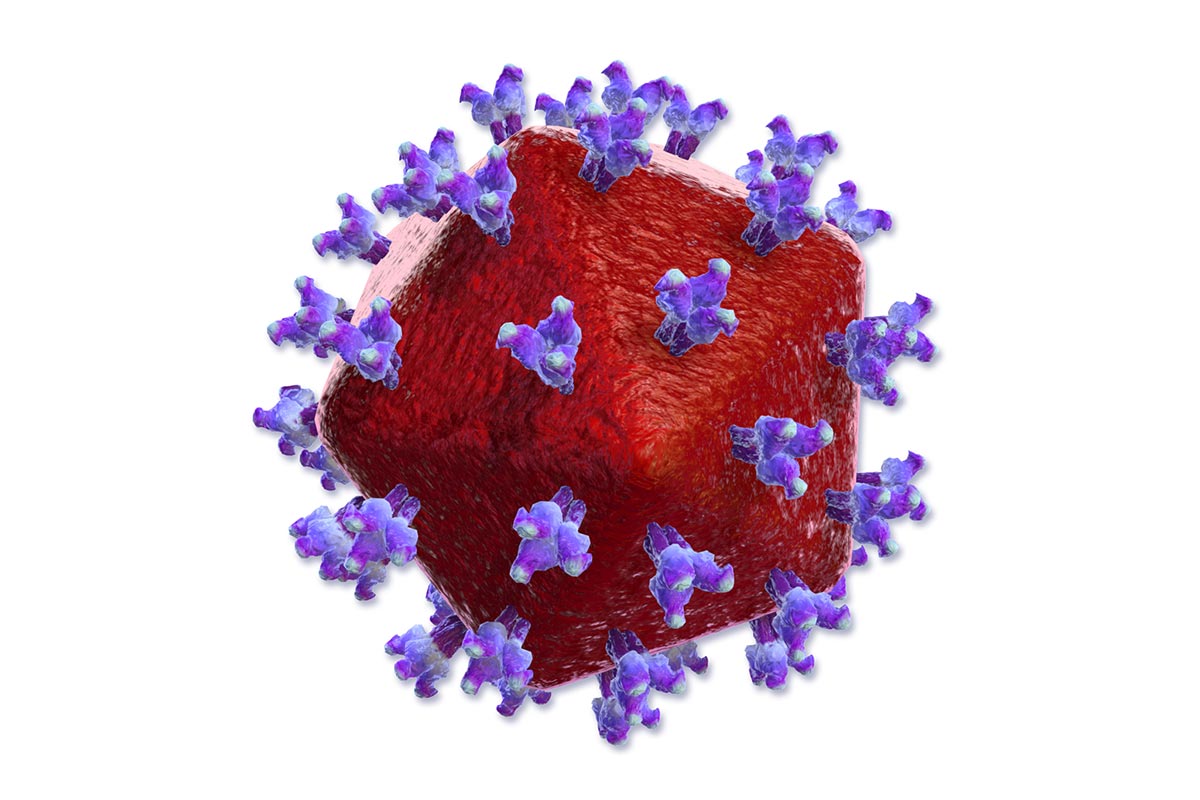
The science is elegantly simple: Lenacapavir is a long-acting injectable that works as a powerful capsid inhibitor, basically preventing the HIV virus from replicating. The important difference is its stability in the body, allowing it to be given only twice a year (every 6 months).
Compared to the current standard– daily Pre-Exposure Prophylaxis (PrEP) pills– the advantages are clear. Daily dosing brooks no chance of human error; skipping even a few pills compromises efficacy.
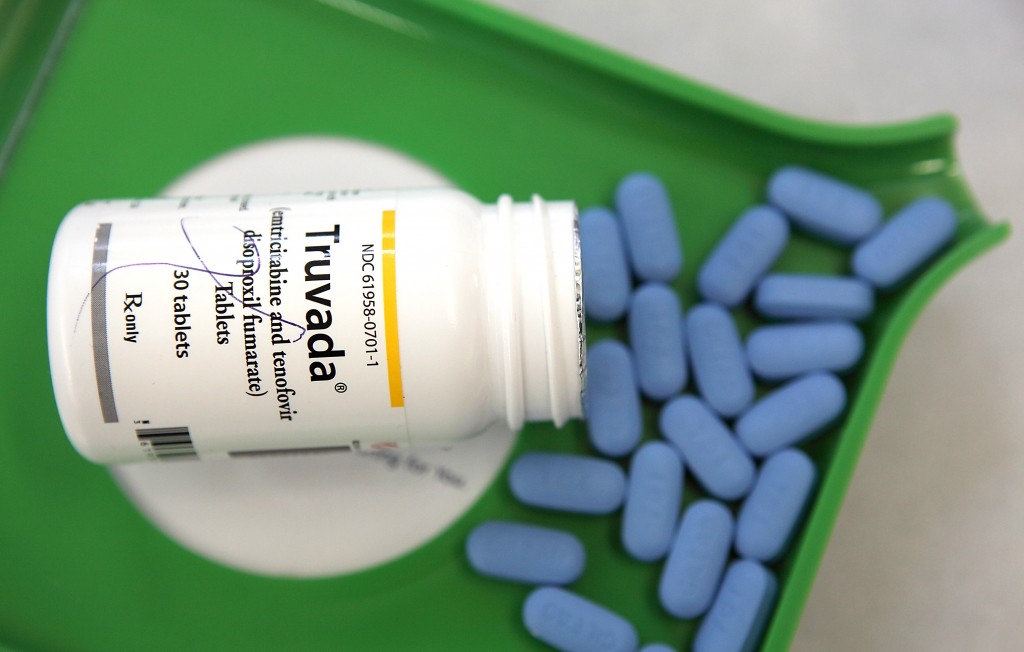
A twice-a-year injection, however, offers unparalleled convenience, privacy, and greater adherence. For those who live complex, risk-filled lives, the injection is an unseen shield, protecting without the daily public declaration of a pill bottle.
The Rollout Plan.
The vaccine's potential is backed by sound logistics. Launch will start in April 2026 in approximately 360 public clinics within the country's highest-incidence districts.
Funding is robust: $29.2 million secured from the Global Fund, topped up by another $5 million from NACOSA for vital civil-society support. The supply plan goes big, aiming to reach approximately 456,000 people– some 912,000 doses– in the initial two years.

This is a targeted, strategic move to where the need is greatest.
The Cost Revolution.
Perhaps the most significant aspect of this breakthrough is not in chemistry, but in economics. Gilead Sciences, the drug manufacturer, committed to a record price drop for this public-health effort: from the US market price of $28,000 per year to around $40.
This record-breaking price reduction doesn't just make Lenacapavir affordable; it makes it scalable to the entire low- and middle-income context. This precedent forces a broader question on the health system: if one pharma giant can make such a deep pricing concession on one medicine in one region, can this precedent be applied to other critical global health treatments– from diabetes to cancer– that currently price out the Global South?
The Concerns: Equity, Access & Local Capacity.
The breakthrough narrative has a predictable subplot, the struggle between international pharma innovation and local empowerment. Even though South Africa played a key part in the drug's trials, local manufacturing is not included in the present strategy.
The licensing restrictions by Gilead have been vehemently attacked by civil-society groups, arguing that the decision leaves a dangerous over-reliance on imports, which may lead to delayed access and a lack of national control over the supply chain.
This is an old, sore narrative within African health systems where innovation is adopted, but the capacity to produce and retain control over supply is off-continent. Real health sovereignty is still an aspiration, not a guarantee.
Why It Matters
HIV remains one of South Africa's most significant health crises, reaching into almost every home and community. The bi-annual injection has the potential to revolutionize prevention in three fundamental ways: it will significantly increase adherence simply through less frequency; it can assist in lowering the stigma of a daily reminder of an ongoing health threat; and it restores a new sense of hope to prevention efforts that have exhausted a nation for three decades.
This project is a strong indication of pharma's changing dedication to innovation for a genuinely fair worldwide health effect.
What to Watch Out For.
Lenacapavir's success depends on what occurs following the administration of the initial syringe. The key watch points are:
Access: Will the supply rapidly increase from the starting target of 456,000 individuals to address the enormous latent demand?
Policy: Will the South African government use its negotiating leverage to insist on local production rights or less restrictive licensing terms, ensuring long-term self-sufficiency?
Impact: The real-world data is paramount; not just uptake, but measurable cost-effectiveness and an actual reduction in new HIV infections.
Integration: How seamlessly will the injection be incorporated into existing frameworks of education, mass testing, and fundamental behavioural interventions?
The Promise Comes with a Challenge.
South Africa stands at the brink of not just a medical revolution, but a cultural one. A chance to rewrite the narrative of HIV from one of relentless epidemic management to achievable, lasting protection.
Yet as the tale of ARVs makes evident, scientific miracles do not suffice without distributive justice. It is yet to be observed if Lenacapavir will be a revolution or just a reminder of missed opportunity depending on who gets the shot, and how fast the world moves to dismantle access barriers that still put profit over people.