US-Iran Ceasefire Talks Face Fresh Strain Despite Tentative 60-Day Proposal
U.S. and Iranian negotiators have reached a tentative agreement to extend a fragile ceasefire by 60 days and commence new talks on Iran's nuclear program, though President Trump's approval is pending. The proposed deal addresses the Strait of Hormuz and potential U.S. sanctions relief, while the fate of Iran's enriched uranium and its demands regarding Israeli operations in Lebanon remain critical points of contention.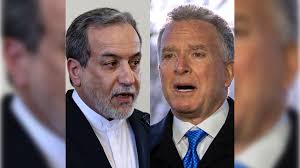
The United States and Iran have reportedly moved closer to a diplomatic breakthrough after negotiators reached a tentative agreement to extend the current ceasefire by 60 days and begin a new round of discussions on Tehran’s nuclear programme. However, the proposed deal remains uncertain, as President Donald Trump has yet to formally approve the memorandum and Iranian authorities have not publicly confirmed its final terms.
The fragile diplomatic progress comes amid renewed military tensions that have threatened to derail negotiations. Just days before news of the proposal emerged, Kuwait intercepted missiles and drones allegedly launched from Iran, prompting sharp condemnation from both Kuwaiti authorities and U.S. Central Command, which described the incident as a serious ceasefire violation.
A major focus of the proposed agreement is the Strait of Hormuz, one of the world's most critical energy corridors. Under the reported framework, Iran would be required to remove naval mines, halt the collection of shipping tolls, and restore commercial traffic through the waterway.
In return, Washington would gradually ease its naval blockade and relax certain sanctions affecting Iranian oil exports.
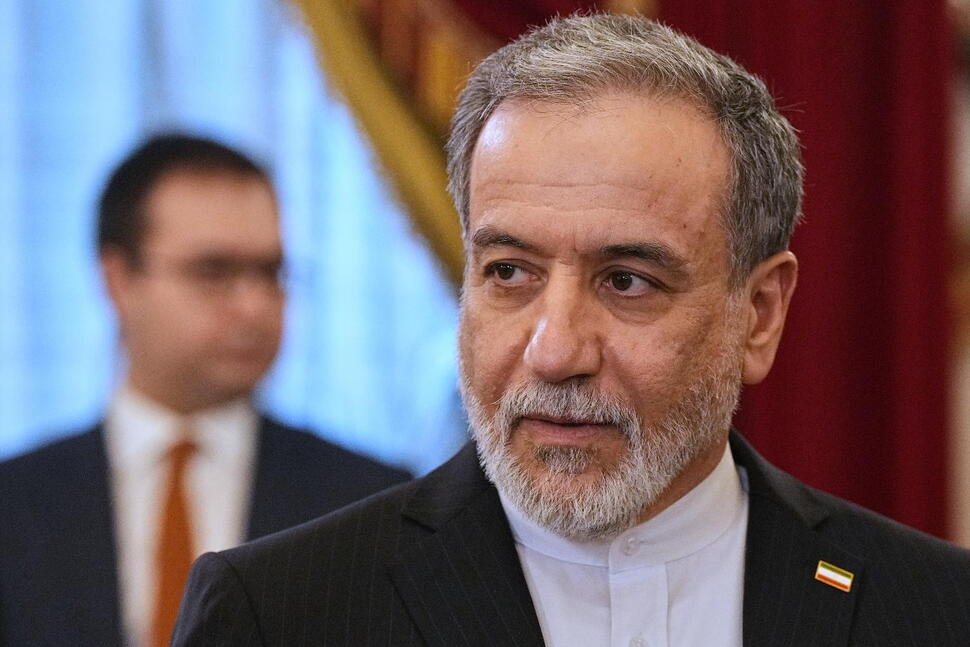
Despite progress on maritime issues, the fate of Iran’s highly enriched uranium stockpile remains unresolved. International inspectors estimate that Iran possesses hundreds of kilograms of uranium enriched to 60% purity, just below weapons-grade levels. Negotiators are reportedly considering several options, including transferring the material to a third country, though no final arrangement has been reached.
Iran has also linked any broader settlement to developments beyond its borders. Tehran insists that a lasting agreement must address Israeli military operations against Hezbollah in Lebanon, arguing that regional conflicts cannot be separated from the wider negotiations. Continued airstrikes and clashes in Lebanon have therefore become another source of pressure on already delicate talks.
Meanwhile, global energy markets remain highly sensitive to every development.
Oil prices surged after reports emerged that Iran had temporarily halted indirect communications with Washington and threatened further disruption to shipping routes. Analysts warn that any collapse in negotiations could trigger renewed volatility across global energy markets.
For now, both sides continue to negotiate despite accusations of bad faith and repeated claims of ceasefire violations. Whether the proposed 60-day extension becomes a stepping stone toward a wider nuclear agreement—or another failed diplomatic effort may ultimately depend on decisions made in Washington and Tehran over the coming days.